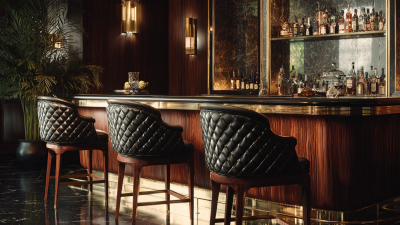
As we look ahead to 2026, the furniture bar market is evolving in exciting ways. Global buyers must pay attention to these trends. The concept of furniture bars combines style and functionality. It creates a unique social space in homes and commercial settings.
Recent surveys show an increasing demand for versatile furniture bar designs. Buyers are seeking pieces that are both practical and visually appealing. This includes multifunctional bars that adapt easily to various settings. For instance, portable bar carts are gaining popularity. They offer flexibility and convenience in entertaining.
Sustainability is another key trend. Eco-friendly materials are becoming essential in furniture bar selections. Buyers are more aware of their environmental impact. They seek products that support their values. While some trends may fade, the focus on quality craftsmanship remains crucial. This aspect adds longevity to furniture bars, making them a worthwhile investment. Keeping these elements in mind will help buyers navigate the dynamic landscape of furniture bars in 2026.
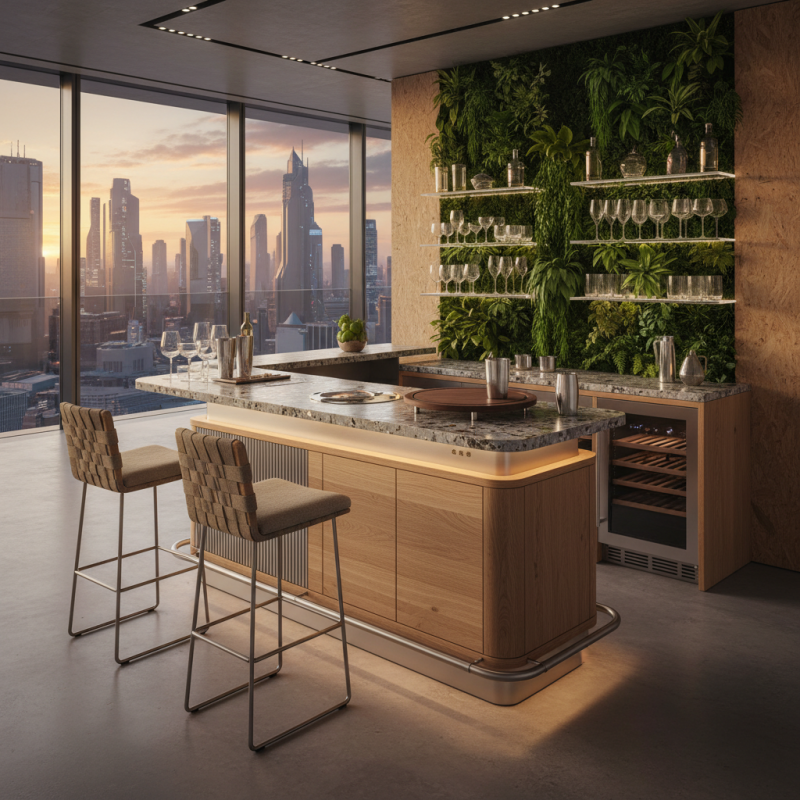
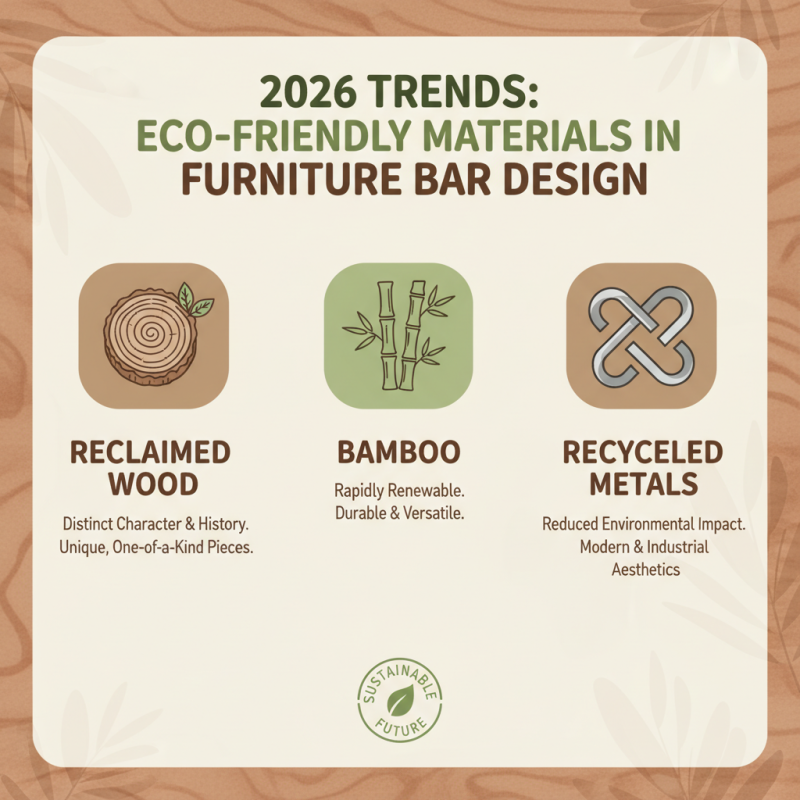
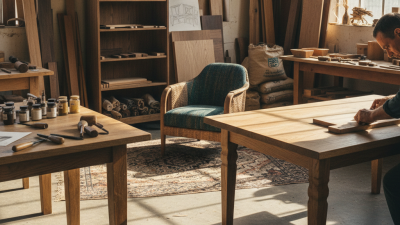
As the demand for sustainable furniture grows, eco-friendly materials are becoming central to bar design in 2026. Designers are increasingly opting for reclaimed wood, bamboo, and recycled metals. These materials not only reduce environmental impact but also bring unique aesthetics. Reclaimed wood features distinct character and history, making each piece truly one-of-a-kind.
Emphasizing sustainability can elevate your bar design. Look for materials that are sustainably sourced. It's important to ensure that the production process is eco-conscious. This helps to minimize waste and carbon footprint.
Create a cohesive look by mixing natural elements with modern finishes. Balance is key. Incorporating greenery, such as potted herbs or indoor plants, enhances the eco-friendly vibe. Remember, small details like choosing non-toxic finishes can make a significant difference. Reflect on what sustainable choices resonate with your style and values; your bar should tell a story that aligns with your vision.
As urban living spaces shrink, the demand for multi-functional furniture bars is surging. These innovative pieces serve various purposes, making them essential in modern interiors. A compact bar can transform into a dining table or work station, maximizing the use of limited space. This versatility attracts buyers aiming for both practicality and style.
Designers are focusing on aesthetics and functionality. Many bars feature sleek finishes and space-saving designs, fitting seamlessly into contemporary homes. Consider a bar that doubles as a decorative shelf. A well-placed bar can enhance a room's ambiance while providing utility. Buyers often seek these dual-purpose solutions to create a cohesive environment.
However, choosing the right multi-functional bar can be challenging. It's important to assess the quality of materials and construction. A poorly made bar may not withstand regular use. Potential buyers should also reflect on their space's layout and style preferences. This thoughtful approach can help in finding a solution that truly meets their needs.
The integration of smart technology in modern furniture bars is revolutionizing the way we experience social spaces. Smart furniture can include features like lighting control, built-in speakers, and drink dispensers that respond to voice commands. These additions provide convenience and enhance the overall atmosphere. Imagine a bar where the lights adjust based on the time of day or the mood of the party. These innovations make entertaining more enjoyable and engaging.
However, the implementation of smart technology is not without its challenges. Many users may find complex interfaces daunting. If the technology is not user-friendly, it may hinder the intended experience. Additionally, the reliance on technology can raise concerns. What happens if the system fails? Will guests still enjoy the space without tech enhancements? Such questions must be addressed as the industry evolves, ensuring that smart solutions enhance rather than complicate social interactions.
Designers and manufacturers must remain mindful of these challenges. Continuous feedback from users is essential. Balancing technological advancements with practicality ensures that modern furniture bars meet the diverse needs of a global audience. Embracing smart technology should enhance functionality while preserving the essence of socializing.
The rise of minimalist aesthetics in bar furniture design reflects a broader societal trend. Consumers increasingly seek spaces that are uncluttered yet functional. This shift favors simple lines and neutral colors. Bar stools and tables with sleek designs are now in demand. The goal is to create a calming environment. Lesser ornamentation allows for flexibility in decor, appealing to various styles.
Materials play a crucial role in this minimalistic approach. Natural woods and metal finishes dominate the market. These materials provide durability while maintaining an elegant simplicity. However, the challenge remains in balancing aesthetics with comfort. Some minimalist stools sacrifice ergonomics for design. This can lead to discomfort during long gatherings. Buyers must carefully consider this aspect when selecting furniture.
In exploring minimalist options, the value of storytelling in design emerges. Each piece of furniture should evoke a sense of place and purpose. While minimalism promotes simplicity, it can sometimes come off as cold. Achieving warmth and character in a minimalist bar setting requires thoughtful choices. Finding that sweet spot between function and feeling is an ongoing journey for buyers.
| Trend | Description | Materials Used | Color Palette | Usage |
|---|---|---|---|---|
| Sustainable Materials | Focus on eco-friendly and recyclable materials. | Bamboo, recycled metal, reclaimed wood | Earth tones, muted colors | Home, commercial bars |
| Modular Designs | Furniture pieces that can be reconfigured for different spaces. | Wood, fabric, metal | Neutral colors, soft hues | Urban settings, small areas |
| Integrated Technology | Integration of smart devices and charging options. | Wood composites, glass, plastic | Black, silver, tech-inspired colors | Modern homes, tech-savvy bars |
| Curved Shapes | Soft, organic shapes to create a welcoming atmosphere. | Plywood, natural fibers | Pastel colors, soft whites | Lounge areas, cozy environments |
| Multi-Functional Pieces | Furniture that serves more than one purpose. | Modular fabrics, wood | Bright, contrasting colors | Small apartments, event spaces |
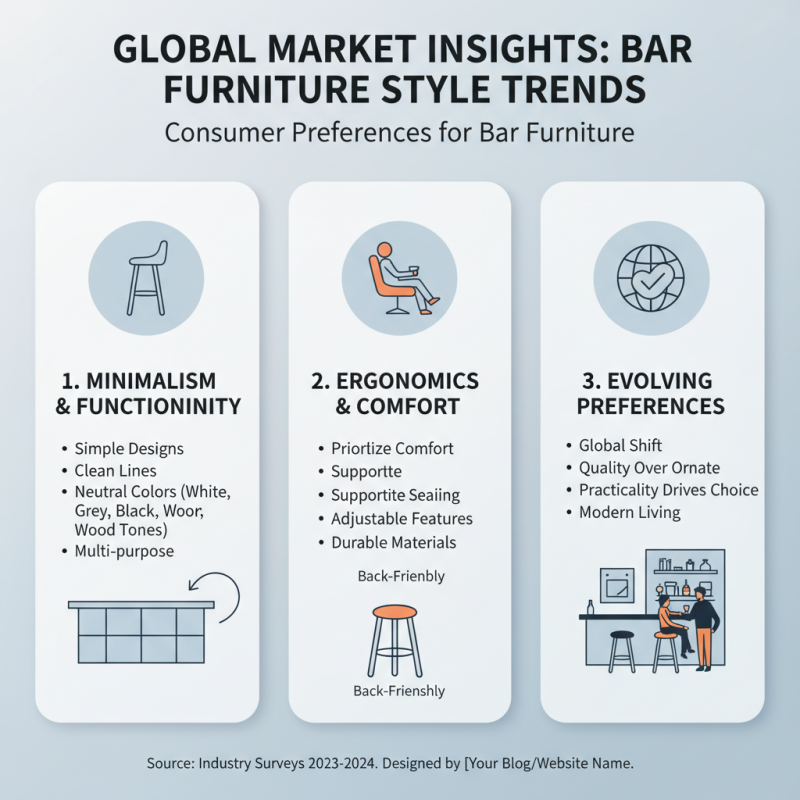
As global consumer preferences evolve, bar furniture styles are also seeing exciting changes. The trend leans towards minimalism and functionality. Many buyers now value simplicity over ornate designs. Clean lines and neutral colors are making a strong statement. Ergonomics is essential. Comfort often outweighs aesthetics in consumer choices.
Sustainability remains a key theme. Buyers lean towards eco-friendly materials. Recycled wood and non-toxic finishes are popular. This shift reflects a growing awareness of environmental issues. However, not all buyers prioritize sustainability equally. Some are more focused on aesthetics or price. This divide can lead to challenges for manufacturers.
Social spaces are influencing bar furniture trends. Outdoor seating is in higher demand. Consumers want flexibility to create inviting atmospheres. This preference necessitates durable materials. However, achieving balance often requires compromise. Manufacturers must consider various styles and utilitarian needs. Emerging challenges compel innovation in design and production methods.