Top 10 Benefits of Using Architectural Glass for Your Projects?
Architectural Glass has increasingly become a staple in modern design. Its appeal lies not only in aesthetics but also in functionality. This versatile material offers a range of benefits that can transform building projects. From energy efficiency to safety features, the advantages are significant.
Utilizing Architectural Glass can enhance natural light in interiors, reducing the need for artificial lighting. This not only lowers energy costs but also creates a healthier environment. Moreover, its durability and weather resistance make it ideal for various climates. However, selecting the right type of glass is crucial. Not all glass is created equal, and understanding the specifications available is essential for achieving the desired outcome.
On the other hand, the initial costs can be high. Investing in quality Architectural Glass may be daunting for some. It's important to weigh the long-term benefits against the upfront investment. Aspects like maintenance and installation requires careful consideration. Despite these challenges, the rewards of using Architectural Glass often outweigh the downsides, making it a worthwhile option for innovative and sustainable building solutions.
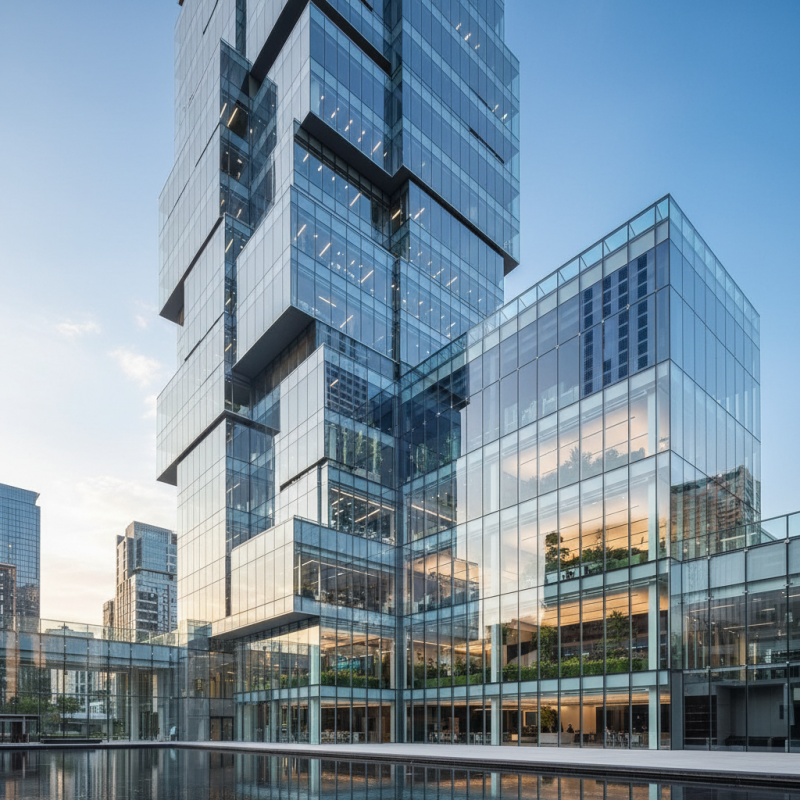
Benefits of Architectural Glass: Enhancing Aesthetic Appeal in Design
Architectural glass significantly enhances the aesthetic appeal of any design. Its unique transparency and versatility can transform ordinary spaces into stunning environments. Whether used as a facade or interior feature, glass creates a sense of openness. This openness allows natural light to flood in, giving the illusion of spaciousness. It contributes to a warm and inviting atmosphere, making spaces feel alive.
The reflective qualities of glass can be mesmerizing. They interact beautifully with natural light, changing the way spaces are perceived throughout the day. Glass surfaces can showcase vibrant colors and textures, adding layers of depth to a design. Yet, this beauty comes with challenges. Maintaining cleanliness and avoiding glare can sometimes detract from its elegance. Architects must consider these factors carefully when incorporating glass into their work.
Incorporating architectural glass often results in a dynamic play of light and shadow. This shifting quality can evoke different emotions and reactions from occupants. While glass offers beauty, it also raises questions about energy efficiency and privacy. Finding the right balance between aesthetics and practical design can require thoughtful decision-making. The allure of architectural glass is clear, yet it necessitates a nuanced approach to achieve the best outcomes.
Improved Energy Efficiency: How Glass Contributes to Sustainable Buildings
Architectural glass is increasingly recognized for its role in enhancing energy efficiency in sustainable buildings. According to the U.S. Department of Energy, buildings account for nearly 40% of total energy consumption. Implementing advanced glazing systems can significantly reduce heating and cooling costs. For instance, low-emissivity glass can lower energy consumption by up to 15%. This material reflects heat while allowing natural light to enter, creating a balanced indoor environment.
Moreover, the integration of glass in building design can influence a structure's overall energy performance. A 2021 study from the American Society of Heating, Refrigerating and Air-Conditioning Engineers found that buildings featuring high-performance glass can achieve up to 30% higher energy efficiency when compared to traditional designs. However, challenges persist in selecting the right type of glass for specific climates. The risk of glare or excessive heat gain needs careful consideration.
Natural light is essential for occupant well-being, yet it can lead to unwanted heat. Architects must balance aesthetics and functionality when choosing glass. Emphasizing the need for specialized coatings or shading solutions might be necessary. By thoughtfully integrating glass, architects can contribute to both sustainability and comfort while navigating these complexities.
Top 10 Benefits of Using Architectural Glass for Your Projects
The chart above illustrates the top 10 benefits of using architectural glass in construction projects, with energy efficiency being the most significant factor contributing to sustainable building practices. Each benefit has been rated on a scale from 1 to 10, reflecting its importance in modern architecture.
Acoustic Performance: Evaluating Sound Control in Architectural Glass Applications
Architectural glass is increasingly recognized for its acoustic performance. Sound control is critical in urban environments. Buildings in busy areas often face noise challenges. Using acoustic glass can mitigate these issues effectively. It absorbs and dampens sound waves, creating quieter spaces. This enhances comfort and productivity in residential and commercial settings.
The design of architectural glass plays a pivotal role in sound control. Laminated glass, for instance, layers different materials to block noise. The thickness and composition contribute significantly to its effectiveness. However, not all glass types achieve the same results. Some performance aspects may not meet expectations, highlighting the need for thorough research.
Evaluating a building's specific needs is essential. Factors such as building location, usage, and nearby noise sources should guide decisions. Testing sound transmission loss is vital for accurate assessments. There may be oversights in planning that affect overall performance. A well-informed approach to acoustic glass can transform environments, but careful consideration is key.
Safety and Security: Understanding the Impact of Tempered Glass Solutions
Tempered glass solutions play a crucial role in enhancing safety and security in architectural projects. This type of glass undergoes a rigorous heating and cooling process, making it nearly five times stronger than standard glass. According to industry reports, tempered glass breaks into small, blunt pieces, reducing the risk of injury in case of accidents. Moreover, it is resistant to thermal stress and impacts, making it ideal for high-traffic areas.
When considering safety, it’s essential to assess how tempered glass performs under various conditions. For instance, a recent study indicated that buildings using tempered glass experienced fewer incidents of glass breakage. This not only protects individuals but also limits liability for property owners. Ensuring that your project meets the necessary safety codes is vital. Regular inspections and proper installation can further enhance security and longevity.
Tip: Always consult with a certified glass specialist to evaluate your project’s safety needs.
Incorporating tempered glass in design can sometimes feel costly but offers significant returns on investment. The durability and low maintenance requirements can reduce long-term expenses. Plus, many architects note that it adds to the aesthetic appeal of a building. It’s beneficial to weigh initial costs against long-term advantages.
Tip: Consider balancing design choices and budget constraints when selecting glass solutions for your project.
Versatility in Design: Exploring Varied Applications of Architectural Glass
Architectural glass has become a popular choice in modern design due to its versatility and array of applications. It can be found in everything from skyscrapers to residential homes, offering aesthetic appeal and functionality. Recent industry reports indicate that the architectural glass market is projected to grow significantly, expected to reach $100 billion by 2025. This reflects its increasing acceptance across various sectors.
One notable application of architectural glass is in façade design. It allows for creative expressions that can define a building's identity. Transparent or tinted options can control natural light while reducing energy costs. However, the challenge lies in selecting the right type of glass. Not all glasses perform equally under different weather conditions. For instance, extreme heat can lead to thermal expansion issues.
Additionally, architectural glass is used in interiors, such as partitions and staircases. This enhances open concepts while maintaining structural integrity. According to research, glass can improve the perceived space in small areas, but it can also create privacy concerns. Designing spaces with glass requires a careful balance between openness and shelter. These reflections highlight the need for thoughtful planning in every project involving architectural glass.
Top 10 Benefits of Using Architectural Glass for Your Projects
| Benefit | Description | Application |
| Versatility | Architectural glass can be shaped and designed for various applications, providing aesthetic flexibility. | Facades, partitions, skylights |
| Natural Light | Allows ample natural light, reducing the need for artificial lighting and improving mood. | Windows, atriums |
| Energy Efficiency | Modern architectural glass can reduce energy consumption through better insulation. | Insulated glass units |
| Sound Insulation | Helps in sound reduction, providing a quiet environment in busy urban areas. | Commercial buildings, offices |
| Safety | Can be produced in tempered or laminated forms to enhance safety. | High-traffic areas, public buildings |
| Aesthetic Appeal | Creates a visually appealing atmosphere that enhances the overall architecture. | Retail spaces, residential homes |
| Sustainability | Recyclable materials contribute to sustainable building practices. | Eco-friendly projects |
| Durability | Long-lasting materials that withstand harsh weather conditions. | Exterior facades, barrier walls |
| Customization | Can be customized in terms of color, texture, and opacity to match design needs. | Architectural features, themed installations |
| Lightweight | Advanced glass technology has produced lightweight options, easing structural load. | High-rise buildings, large structures |
