
China Best Kitchen Wall Panels Manufacturers for Global Buyers?

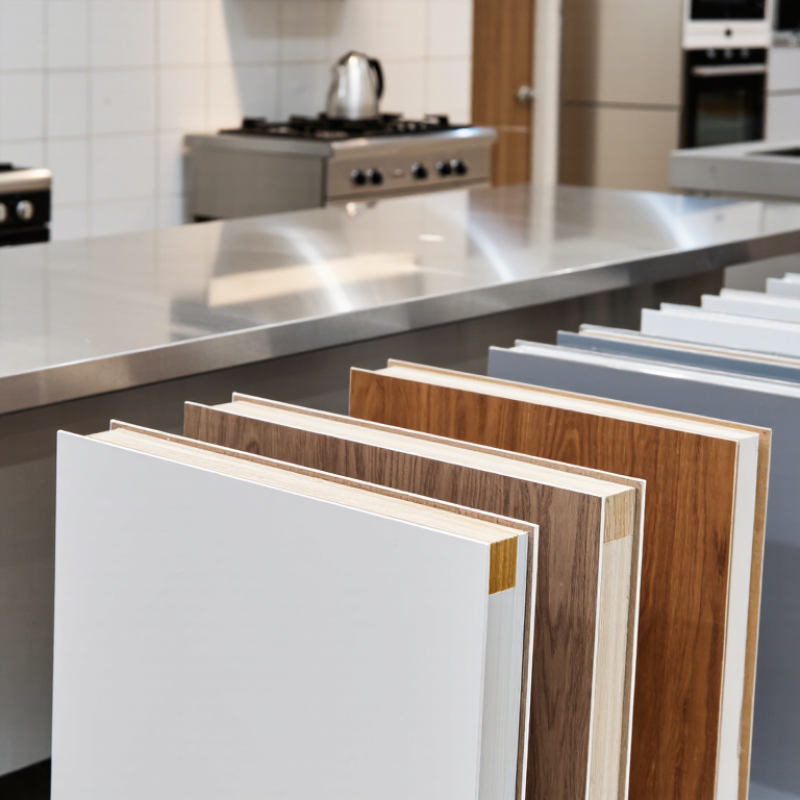
Global buyers evaluating China’s best kitchen wall panel manufacturers need more than attractive samples. Kitchen Wall Panels must withstand steam near a kettle, grease behind a hob, and repeated wiping around a sink. Material composition, edge sealing, surface durability, and installation details can matter as much as price. The details matter.

Industry data offers useful context, but it must be applied carefully. The 2023 Global Status Report for Buildings and Construction, published by UNEP and the Global Alliance for Buildings and Construction, reported that buildings accounted for 34% of global energy demand and 37% of energy- and process-related carbon emissions in 2022. This is a sector-wide measure, not a panel-specific footprint. Houzz’s 2024 U.S. Kitchen Trends Study provides another perspective on renovation choices, but its findings describe U.S. households, not every export market.

For overseas procurement, compare suppliers through verifiable specifications: panel thickness, substrate, finish, moisture resistance, packaging, and batch consistency. Ask for current test reports, and check which product and test method each report covers. Request close-up images of joints, corners, and cut edges—not only showroom photographs. Samples help, but one sample cannot prove stable production. No supplier is perfect. Buyers should record unresolved questions, confirm tolerances in writing, and assess whether a manufacturer can support repeat orders, clear documentation, and dependable communication.
China Best Kitchen Wall Panels Manufacturers for Global Buyers?

What Kitchen Wall Panels Are and How They Are Used

Kitchen wall panels are sheets or boards installed over a wall to create a wipeable, finished surface. Common options include compact laminate, PVC, metal, and glazed or composite panels. Each handles moisture, heat, and cleaning differently, so check the product specifications before choosing. A smooth surface is easier to wipe than deep grout lines. Small detail, big difference.

Panels are often fitted behind sinks and along worktops, where splashes, cooking oils, and food marks collect. Some can cover an existing sound wall; others need a flat, dry backing. Edges and joints matter. Poorly sealed seams may let water reach the wall underneath. A panel can disguise a tired surface, but it cannot repair hidden damp.

For installation, measure around sockets, taps, and cabinets before cutting. Use only adhesives and trims approved for the panel material, and follow the stated clearance near cooktops. Not every panel suits every heat zone. Keep ventilation in mind, especially in compact kitchens. Even a water-resistant panel still needs sensible cleaning and sound installation. A neat finish takes planning.

Main Types of Kitchen Wall Panels Manufactured in China

China Best Kitchen Wall Panels Manufacturers for Global Buyers?

Main Types of Kitchen Wall Panels Manufactured in China

Chinese manufacturers produce several kitchen wall panel types: ceramic tiles, PVC and SPC sheets, compact laminate, glass, and metal panels. Ceramic remains a familiar choice for splashbacks, with grout lines that need regular cleaning. Large-format sheets create fewer seams, but handling and fitting them can be less forgiving. Materials differ in heat tolerance, scratch resistance, and repair options.

The choice is practical, not just visual. Grand View Research estimated the global ceramic tiles market at USD 194.2 billion in 2022 and projected 6.3% annual growth from 2023 to 2030. This figure covers ceramic tiles, not kitchen wall panels alone, but it shows the scale of a key material category. PVC and SPC panels offer lightweight, easy-to-wipe surfaces; buyers should check core composition and product test details. Glass gives a smooth finish, while metal panels suit some industrial-style kitchens. A sample can look different under warm LEDs at home.

Tips: Request samples and technical sheets. Check panel thickness, edge finish, cleaning guidance, and heat limits near cooktops. Ask how the surface handles stains and scratches. Confirm the substrate before ordering; a panel can fail when the wall behind it is uneven or damp.

How to Evaluate China’s Kitchen Wall Panel Manufacturers

China’s kitchen wall panel manufacturers should be evaluated on more than price and appearance. Ask for technical data covering panel thickness, surface finish, heat tolerance, and cleaning guidance. Compare those details with the conditions in your kitchen, especially near a hob or sink. Request samples from the production batch you may order. Check the edges, color consistency, and backing for uneven spots. Small flaws matter.

Tips: Ask how panels are packed and protected during shipping. Confirm the minimum order, lead time, and process for reporting damaged goods. Request clear written answers, not only sales-chat assurances. Keep sample photos and specifications for comparison.

A factory’s quality controls deserve close attention. Ask how it checks dimensions and surface defects, and whether inspection records are available for a recent batch. Clarify what happens if delivered panels differ from the approved sample. If possible, use an independent inspection before shipment. A polished sample can still hide batch variation. No checklist catches every issue, and supplier replies may leave gaps; record those uncertainties before committing to a large order.

What Sets Leading Chinese Manufacturers Apart

Leading Chinese kitchen wall panel manufacturers stand out through process control, not polished catalogs alone. Buyers should ask how panels are checked for thickness, surface consistency, edge finishing, and color variation. A reliable supplier can explain its inspection steps and provide samples that reflect production materials. Small differences show under bright kitchen lighting.

Technical support matters, too. Suppliers should share clear product data, including substrate, finish, dimensions, installation methods, and care guidance. For areas exposed to heat or moisture, ask for test conditions and limits instead of accepting broad claims. Good answers are specific. Some manufacturers help refine cut sizes or packaging after reviewing drawings. Confirm every change in writing before mass production.

Export experience often appears in practical details: protected corners, moisture-resistant wrapping, readable carton labels, and prompt replies when a sample differs from a quotation. Still, one sample cannot reveal every production risk. A first order may expose gaps in color matching or packing, so allow time for a review stage. That extra check can feel slow. It can prevent avoidable rework.

Sourcing and Export Considerations for Global Buyers

When comparing kitchen wall panel manufacturers in China, define the project before requesting a quote. Share panel dimensions, substrate, surface finish, edge details, and installation method. A clear specification makes offers easier to compare. Request a production sample and inspect its color, texture, and cleanability under kitchen lighting. Ask how the factory checks thickness and finish consistency across batches. A sample is useful, but it cannot guarantee every panel will match perfectly.

Tips: Confirm minimum order quantities, lead times, and replacement terms in writing. Ask for recent product test reports and check whether they apply to the exact panel construction. Small details matter.

Export planning needs the same care as product selection. Confirm protective packaging, pallet dimensions, and container loading plans; damaged corners can turn a good order into a costly problem. Agree on delivery terms and who arranges freight and insurance. Check the destination market’s documentation and labeling requirements with your importer or local adviser. Request copies of the commercial invoice, packing list, and any origin or test documents needed. Build in time for sample approval and document review. Tight schedules look efficient on paper, but delays happen. Review the final order details before production begins.

China Best Kitchen Wall Panels Manufacturers for Global Buyers? — Sourcing and Export Considerations
Panel Type Typical Construction and Thickness Kitchen Suitability Key Checks Before Ordering Export and Shipping Considerations
PVC wall panels Extruded PVC profiles; commonly offered in several millimetre thicknesses, depending on profile and design. Lightweight and easy to clean. Confirm the product’s temperature limits and suitability for the intended location; keep away from direct flame and high-heat cooking zones unless specifically approved for that use. Request product data for composition, dimensions, surface finish, temperature limits, and applicable fire-test results. Check panel joints, colour consistency, and resistance to household cleaning products. Low weight can help reduce freight weight, but long profiles may require oversized packaging. Confirm maximum export lengths, protective wrapping, carton dimensions, and container loading plan.
Aluminium composite panels Two aluminium skins bonded to a core; total thickness and skin thickness vary by specification and intended application. Smooth, wipeable surfaces can suit selected kitchen applications. Core composition affects fire performance, so do not assume every panel is suitable near heat or for a regulated interior installation. Specify panel thickness, aluminium skin thickness, core type, coating, flatness, and edge treatment. Request relevant fire-test reports for the exact construction and destination-market requirements. Protect faces and edges from scratches and impact. Confirm sheet size, packing method, pallet dimensions, and whether the shipment can be stacked without damaging the panels.
High-pressure laminate (HPL) panels Decorative laminate bonded to a substrate, or compact laminate supplied as a solid panel; thickness depends on panel type and application. Durable, easy-to-clean surfaces are available. Moisture performance depends on the complete panel, substrate, seams, cut edges, and installation details. Clarify whether the product is faced substrate or compact laminate. Check substrate type, surface finish, edge sealing, dimensional tolerances, and test documentation for the specified product. Large sheets need rigid, well-protected packaging. Confirm sheet sizes, quantity per pallet, allowable stacking orientation, and protection against moisture during transit and storage.
Glass wall panels Typically supplied as cut-to-size glass; thickness, tempering, coating, and edge finish are project-specific. Non-porous surfaces are generally easy to wipe clean. Installation requires accurate measurement and suitable fixings; confirm heat suitability for the position and the specific glass specification. Specify glass type, thickness, safety treatment where required, cut-outs, edge finish, colour, and tolerances. Approve production drawings and a sample before mass production. Fragile and vulnerable to edge damage. Require secure crates, protective separation, clear handling labels, and written confirmation of packing responsibility and damage-claim procedures.
Ceramic or porcelain panels Fired ceramic material supplied in tiles or larger-format slabs; thickness varies by product and format. Commonly used as a wipeable kitchen wall finish. Performance depends on the tile or slab, grout or joint system, substrate, and installation quality. Check dimensions, thickness, shade and batch consistency, surface finish, water absorption data where relevant, and packing quantity. Confirm availability of matching replacement material. High weight and breakage risk can affect freight cost and packaging needs. Confirm crate strength, gross weight, pallet configuration, and the process for reporting transit damage.
Stainless-steel panels Formed or flat metal sheets; alloy grade, sheet thickness, finish, and backing are specification-dependent. Wipeable and suitable for many kitchen surfaces. Appearance and corrosion performance depend on alloy, finish, fabrication, and cleaning practices. Specify alloy grade, thickness, surface finish, protective film, edge treatment, and fabrication details. Request material documentation when grade verification is important. Prevent scratches, dents, and moisture marks with suitable interleaving and rigid packaging. Confirm sheet dimensions, crate requirements, and handling instructions.
Buyer note: Specifications and performance vary by product and supplier. Request a dated quotation, approved sample, technical data sheet, applicable test reports, packing details, and production lead time. Confirm the destination country’s import, labelling, chemical, and building-code requirements for the exact product; documentation requirements depend on material, use, and market. Agree in writing on Incoterms® 2020, inspection criteria, payment terms, and procedures for shortages or transit damage.

Pin It on Pinterest

Share This