Why Choose Double-Cavity Aluminum Profile for Your Projects?
The construction and manufacturing industries are rapidly evolving. The demand for efficient and durable materials is increasing. Among these materials, the Double-Cavity Aluminum Profile stands out. This profile offers unique advantages. It is lightweight yet remarkably strong. Industry reports indicate that aluminum usage in construction can enhance energy efficiency by up to 30%.
Choosing the right profile is crucial for project success. The Double-Cavity Aluminum Profile excels in thermal insulation. It effectively reduces heat transfer, thereby lowering energy costs. Studies show that buildings using such profiles can significantly cut heating and cooling expenses. This is particularly vital in today’s energy-conscious market.
However, not all profiles are created equal. It's important to consider factors such as design complexity and fabrication capabilities. The Double-Cavity design may require specialized knowledge for optimal implementation. Understanding its potential and limitations is essential. Investing in quality profiles can lead to long-term benefits. Therefore, evaluating the right materials is key in modern construction practices.
Benefits of Double-Cavity Aluminum Profiles in Construction Projects
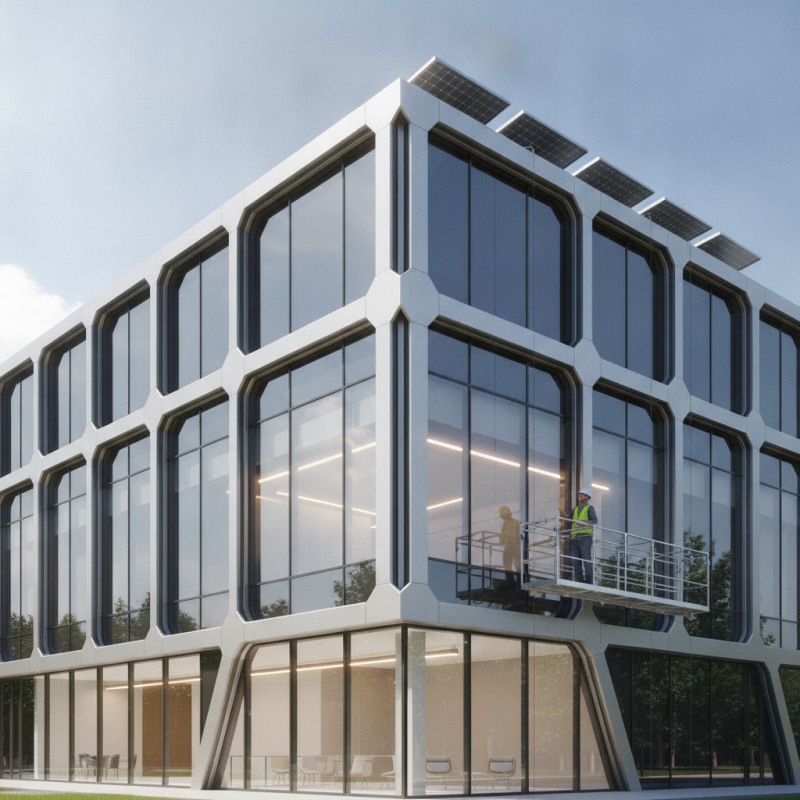
Double-cavity aluminum profiles offer distinct advantages for construction projects. Their unique structure provides enhanced insulation. This leads to better energy efficiency in buildings. With increasing energy costs, this benefit cannot be overlooked. The double cavity creates an effective barrier against temperature changes. This ensures comfort within living and working spaces.
In addition to insulation, these profiles boast impressive strength. Lightweight yet durable, they resist wear and tear from environmental stress. This quality contributes to the longevity of structures. Projects can rely on their durability for decades. However, we should acknowledge the potential for scratches during installation. This may require careful handling to maintain aesthetic appeal. Despite this, the overall benefits outweigh such concerns.
Sustainability is another key factor. Aluminum is recyclable, making it a preferred choice for eco-conscious projects. Using double-cavity profiles reduces material waste and promotes responsible construction. Nevertheless, it's essential to work with experienced professionals. Proper installation ensures that these advantages come to fruition. The details in this process are what truly count.
Understanding the Design Features of Double-Cavity Aluminum Profiles
Double-cavity aluminum profiles are increasingly popular in various projects. Their unique design offers several structural advantages. The two cavities provide enhanced insulation properties. This leads to energy savings and improved temperature control in buildings. Additionally, they reduce condensation and moisture buildup.
The lightweight nature of aluminum makes these profiles easy to handle. Installation becomes quicker and less labor-intensive. This can save both time and money during construction. Moreover, the material is resistant to corrosion, which ensures long-lasting performance.
Despite their benefits, there are challenges. Fabrication can be complex, requiring careful planning. Not all designs may accommodate double-cavity profiles seamlessly. Projects must consider both aesthetic and functional aspects. Striking a balance is crucial. This reflective process can lead to better outcomes and more efficient designs.
Comparative Analysis: Double-Cavity vs. Other Aluminum Profiles
When considering materials for construction and design, the choice of aluminum profiles can significantly impact project outcomes. Double-cavity aluminum profiles offer unique advantages compared to traditional shapes. Their twin-chamber design enhances thermal insulation and minimizes energy loss. This efficiency can lead to cost savings over a building's lifetime.
However, double-cavity profiles may not be suitable for every application. Some projects demand higher load-bearing capabilities, where standard aluminum profiles excel. Additionally, fabrication complexities may arise with double-cavity options, potentially increasing labor costs. These factors warrant careful consideration to match project needs with the right profile type.
Moreover, durability is a common concern in construction. Double-cavity profiles are generally robust, but installation mistakes can compromise their performance. It's crucial to employ skilled installers familiar with the specific requirements of double-cavity systems. This underscores the importance of selecting experienced professionals who can ensure optimal results. Balancing the benefits and drawbacks of different aluminum profiles is key to achieving successful outcomes in any project.
Applications of Double-Cavity Aluminum Profiles in Various Industries
Double-cavity aluminum profiles are gaining traction in various industries for their unique properties. These profiles have two chambers, enhancing strength while minimizing weight. This design leads to efficient energy use. In construction, these profiles support structural integrity in buildings, offering both durability and flexibility.
In the automotive sector, double-cavity profiles are employed to manufacture lightweight components. Reducing vehicle weight improves fuel efficiency—an essential factor in today’s eco-conscious market. Additionally, these profiles provide excellent thermal and acoustic insulation, vital for passenger comfort. Yet, some designers worry about the manufacturing processes. Precision is crucial, and any miscalculation can lead to structural failures.
In the furniture industry, double-cavity aluminum profiles allow for innovative design solutions. They enable sleek forms while ensuring stability. However, some designers find the material challenging to work with. Crafting joints and connections can be less forgiving than traditional materials. Still, the aesthetic appeal and functional advantages often outweigh these considerations.
Why Choose Double-Cavity Aluminum Profile for Your Projects?
Double-cavity aluminum profiles are increasingly chosen for their versatility and strength across various industries. This chart illustrates the distribution of their applications, highlighting their dominance in construction, followed by automotive and aerospace sectors.
Cost-Effectiveness and Sustainability of Using Double-Cavity Aluminum Profiles
Double-cavity aluminum profiles offer a strategic advantage for builders focused on cost-effectiveness and sustainability. These profiles utilize a unique construction, featuring two distinct cavities. This design not only reduces the amount of aluminum needed but also enhances insulation properties. Reports suggest that using double-cavity profiles can save up to 30% in material costs compared to traditional designs.
Moreover, the sustainability factor is significant. Aluminum is 100% recyclable, which means less environmental impact. According to the International Aluminum Institute, recycling aluminum saves up to 95% of the energy required to create new aluminum from bauxite ore. When projects prioritize sustainability, choosing double-cavity profiles can lead to substantial reductions in carbon footprints.
However, some challenges exist. Not all projects might benefit equally from this profile type. The initial investment can be slightly higher, leading to potential hesitation among budget-conscious builders. Despite this, as energy efficiency regulations tighten, the long-term savings can outweigh initial costs. Each project should evaluate its unique requirements before deciding on materials.
Why Choose Double-Cavity Aluminum Profile for Your Projects?
| Dimension | Benefits | Cost-Effectiveness | Sustainability |
| Weight | Lightweight, easy to install | Lower transportation costs | Recyclable material |
| Durability | Long lifespan | Reduced maintenance costs | Lower carbon footprint |
| Thermal Insulation | Energy-efficient | Reduced energy bills | Less energy consumption |
| Customization | Versatile design options | Cost savings on tailor-made solutions | Sustainable sourcing of materials |
| Aesthetics | Modern and sleek appearance | Increases property value | Eco-friendly finish options |
