How to Choose Personalized Furniture for Your Unique Home Style
In today's world of interior design, the quest for a unique aesthetic in our homes has led many to embrace the concept of personalized furniture. As we seek to express our individuality and create spaces that reflect our lifestyle, the options for customization have expanded greatly. Renowned interior designer and furniture expert, Sarah Johnson, emphasizes the importance of this design choice by stating, "Personalized furniture is not just about aesthetics; it’s about creating an environment that resonates with who you are." This perspective highlights the transformative power of tailored pieces that speak to both functionality and style.
Choosing personalized furniture allows homeowners to break away from the cookie-cutter designs often found in mass-produced items. It provides an opportunity to curate a space that tells a story, showcasing personal taste and preferences. Each piece can serve as a focal point, combining unique materials and designs that align with the overarching theme of the home. As we delve deeper into the process of selecting personalized furniture, we’ll explore key aspects that contribute to a harmonious and individualized interior design, ensuring that your home truly feels like your own sanctuary.
Understanding Your Home Style: Identifying Unique Design Elements
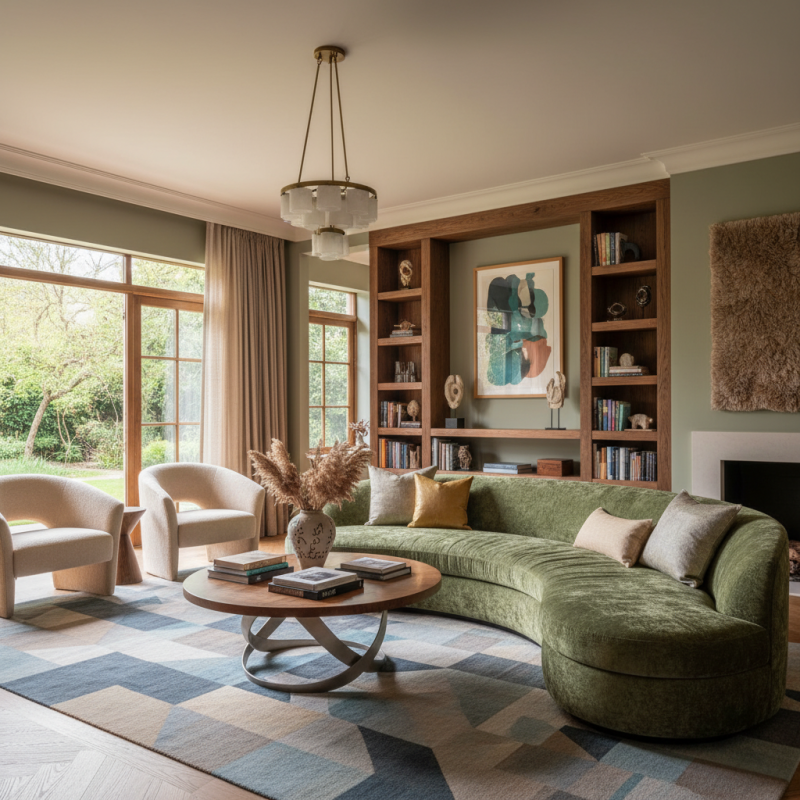
Identifying your home style is the first step toward selecting personalized furniture that truly reflects your unique taste. Begin by examining the existing elements in your space, such as color schemes, architectural features, and any standout decor.
Take note of textures and materials that resonate with you—do you prefer the warmth of wood, the coolness of metal, or the softness of fabrics? Understanding how these components blend together will help you define your style, whether it's modern, rustic, eclectic, or traditional.
Once you've pinpointed your home style, consider the statement pieces that capture its essence. Think about how furniture can echo the unique design elements you've identified. For example, if you love minimalism, choose sleek, uncomplicated designs that offer functionality without clutter. Conversely, if your style leans towards bohemian, opt for varied textures and vibrant patterns. Ultimately, personalized furniture should not just fill a space; it should enhance the overall aesthetic of your home, making it a true reflection of who you are and the life you envision within it.
Assessing Space: Measuring and Planning for Customized Furniture
When it comes to choosing personalized furniture for your unique home style, the first step is assessing your space. Proper measurement and planning are crucial in ensuring that the furniture fits seamlessly into your home.
Start by taking precise measurements of the area where you intend to place the furniture. This includes not only the length and width of the room but also the height and any architectural features, such as doorways, windows, and radiators, that might affect furniture placement.
Making sketches or using design software can help visualize how different pieces will interact within the space.
Once you have a clear understanding of your room’s dimensions, think about the flow and functionality of the space. Consider how you and your family move through the area and how the furniture can enhance your living experience.
For example, if you have a small living room, opting for multifunctional pieces that maximize space utilization can be a wise choice. Additionally, keep in mind the styles and themes that resonate with you; select colors and textures that complement your existing decor.
By meticulously assessing your space and planning accordingly, you can create a harmonious environment that showcases your personalized furniture beautifully.
Materials and Finishes: Choosing the Right Textures for Your Style
When selecting personalized furniture for your unique home style, the choice of materials and finishes plays a crucial role in achieving the desired aesthetic. Different textures can dramatically influence the ambiance of your spaces, making it essential to understand what each material adds to your overall design. For instance, natural woods can introduce warmth and character, while metals and glass might lend a modern, sleek feel. Consider the existing elements in your home and how various textures can harmonize with or contrast against them.
**Tips:** When choosing materials, think about durability and maintenance. If you have pets or young children, opt for fabrics that are easy to clean and can withstand wear and tear. Additionally, sample various finishes in your space to see how they interact with your lighting and color palette.
Textures such as linen, velvet, or leather can evoke different emotions in a room. Soft materials like velvet are inviting and cozy, perfect for creating a relaxing atmosphere in living spaces. On the other hand, a high-gloss finish on furniture can add a touch of luxury and elegance, making a strong statement in a more formal setting. Always keep in mind the tactile experience—furniture is not only visual but also about how it feels when you engage with it.
**Tips:** Don’t be afraid to mix textures for added depth. Pairing a smooth, modern surface with a rustic wood finish can create a striking balance that highlights both elements. Always consider how these combinations will contribute to the flow and feel of your home.
Functionality and Comfort: Ensuring Practical Use in Personal Furniture
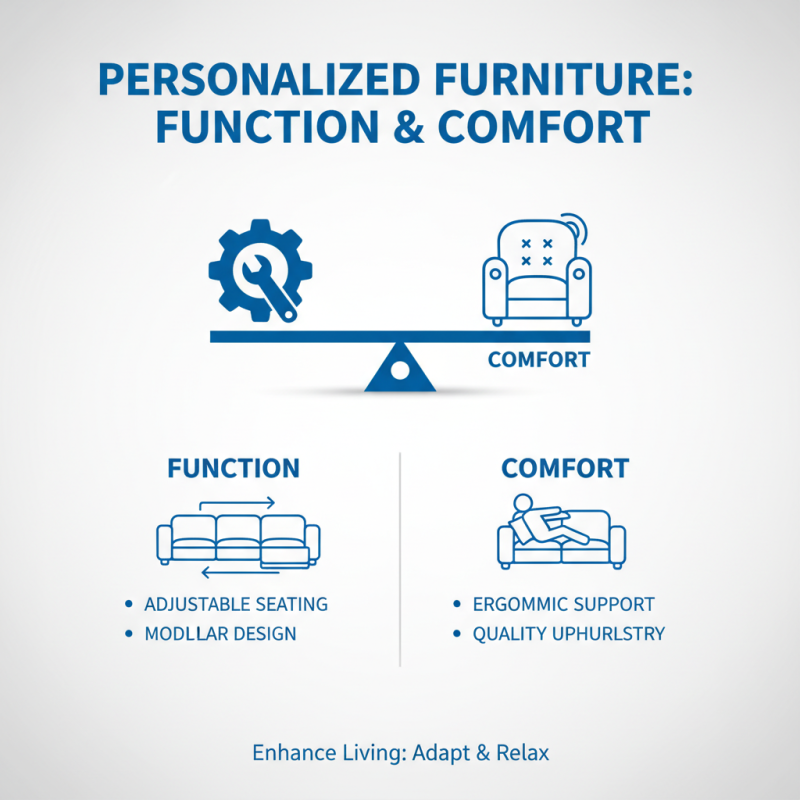
When selecting personalized furniture, the balance between functionality and comfort is paramount. It’s essential to consider how each piece fits into your daily life. For instance, a sofa should not only be aesthetically pleasing but also provide adequate support for lounging or entertaining guests. Look for features that allow flexibility, such as adjustable seating or modular components that can be reconfigured as needed. This ensures the furniture serves its purpose effectively while enhancing the overall flow of your living space.
In addition to functionality, comfort should never be compromised. Materials play a significant role in overall comfort; choose fabrics that are both inviting and durable. The shape and cushioning of a chair or bed must cater to your lifestyle requirements. If you enjoy reading or watching television, opting for deeper cushions or ergonomic designs can substantially increase your ease and enjoyment. Ultimately, personalized furniture should marry style with practical use, fostering an environment that feels uniquely yours while accommodating your everyday activities.
Finding the Right Craftsman: Sourcing Personalized Furniture Makers
When it comes to sourcing personalized furniture, finding the right craftsman is crucial to achieving a unique home style. A skilled artisan not only understands the nuances of design but also appreciates the individual preferences and needs of their clients. Begin your search by exploring local woodworkers, metalworkers, or upholsterers who specialize in custom pieces. Attend craft fairs, artisan markets, or local workshops to meet potential makers and get a sense of their craftsmanship and style.
It's essential to engage in conversations with these craftsmen. Discuss your vision and gather insights into their design process. A good craftsman will be open to collaboration, providing suggestions and inspiration that align with your ideas. Request to see their portfolio, as it will give you a clearer picture of their capabilities and aesthetics. Moreover, check their references or reviews to ensure they have a track record of delivering quality and craftsmanship. By investing time in this process, you can form a valuable relationship with a skilled maker who can transform your personalized furniture dreams into reality.