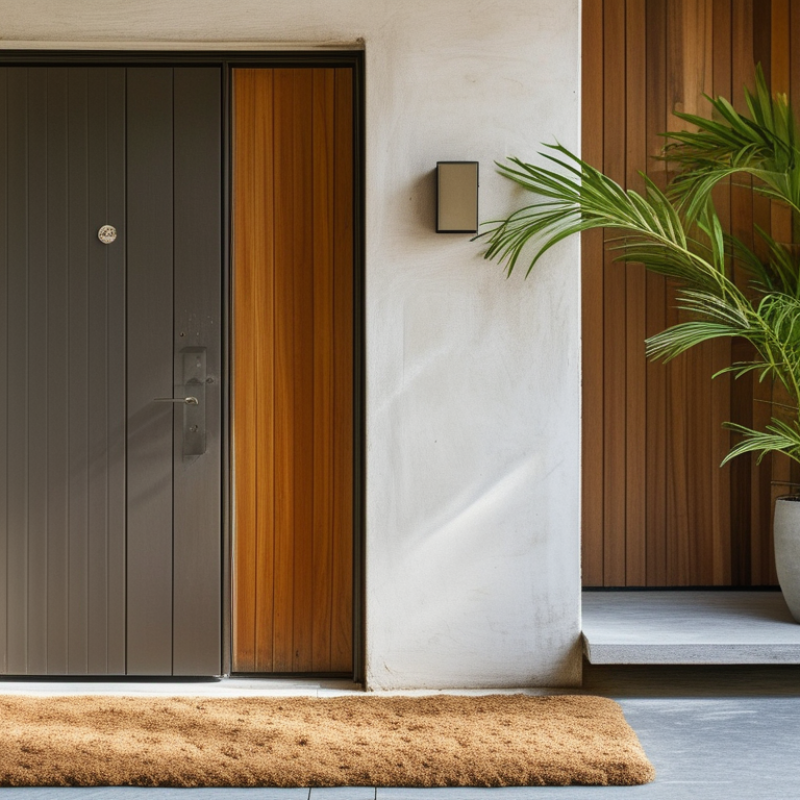
How to Choose the Best Door Mat for Your Home?
Choosing the right Door Mat for your home is crucial. It serves as the first line of defense against dirt and debris. A well-selected Door Mat not only enhances your home’s aesthetics but also reflects your personal style.
Consider the materials carefully. Some Door Mats are made of coir, which is great for scraping off mud. Others are synthetic and easier to clean. Texture is important too. A plush mat can feel inviting, while a flat one may suit minimalist tastes better.
Size matters significantly. A Door Mat that's too small can look out of place. One that’s too large may hinder movement. Striking the right balance can enhance your entryway’s functionality. Remember, there are many options available, and the perfect Door Mat often comes down to personal preference. Choosing wisely can take time and reflection, but it’s an important decision for any homeowner.
Understanding the Importance of a Good Door Mat for Home Hygiene
A good door mat is essential for maintaining home hygiene. It acts as a first line of defense against dirt, dust, and allergens. When people enter your home, they unwittingly bring in outside elements. A quality door mat captures much of this debris. Over time, this prevents dirt from traveling further into your living space.
Moreover, an effective door mat can also absorb moisture, keeping floors dry and reducing the risk of slips. Many mats come with textured surfaces designed specifically to scrape shoes clean. However, not all mats are created equal. Some may not hold up well in wet conditions or may be difficult to clean. Reflecting on this aspect is essential. Choosing a mat that caters to your specific needs can be challenging, yet it is crucial for overall home hygiene.
Consider the placement of the door mat as well. A mat placed outside your front door serves a different purpose than one inside. The outer mat should be more robust to withstand the elements. In contrast, the inner mat can focus on finer dirt and moisture. Regularly checking and cleaning these mats is vital. Neglecting them can lead to a build-up of grime, counteracting their intended purpose.
Key Materials Used in Door Mats and Their Durability Data
Choosing the right doormat involves understanding the materials and their durability. Common materials include coir, rubber, and synthetic fibers. Each type has unique properties and levels of durability that can impact your home’s entrance.
Coir, made from coconut husks, is highly absorbent. It effectively traps dirt and moisture. However, it can lose its shape after prolonged exposure to the elements. Rubber mats offer excellent grip and weather resistance. They last longer but can become worn under harsh conditions. Synthetic fibers are versatile, often designed for high traffic areas. They retain their appearance but may fade over time.
It’s important to assess your needs. If your entryway is frequently wet, a rubber mat may be ideal. For dry environments, coir pads might suffice. Each material has pros and cons, requiring careful consideration. Ultimately, the best choice combines functionality with aesthetic appeal.
Effectiveness of Different Door Mat Designs in Dirt and Moisture Trapping
When selecting a door mat, consider how effective its design is in trapping dirt and moisture. Different materials and patterns have unique capabilities. For instance, coir mats excel at absorbing moisture. Their rough texture scrapes off mud and dirt easily. This makes them an ideal choice for rainy climates.
Another design to think about is the rubber mat. These mats are durable and provide excellent traction. They often feature raised patterns to capture dirt more effectively. However, they can become slippery if not cleaned regularly. Regular maintenance is crucial to keep them functioning well.
Tips for choosing the right door mat:
- Assess the climate where you live. Choose a mat that can handle your weather.
- Look for easy-to-clean materials. They'll save you time and effort.
- Consider size and placement. A larger mat covers more area, reducing dirt spread indoors.
Not every door mat will meet your needs. Some may look great but fail to absorb moisture. Others may trap dirt effectively but ruin your home’s aesthetic. Reflect on your personal preferences and requirements. Choose wisely to enhance both functionality and style.
How to Choose the Best Door Mat for Your Home? - Effectiveness of Different Door Mat Designs in Dirt and Moisture Trapping
| Design | Material | Dirt Trapping Effectiveness | Moisture Absorption | Durability | Price Range |
| Rubber Backed | Rubber & Coir | High | Moderate | Excellent (3-5 years) | $25 - $50 |
| Fabric | Natural Fibers | Moderate | High | Good (2-4 years) | $15 - $30 |
| Commercial | Vinyl & Polyester | Very High | Moderate | Excellent (5-7 years) | $50 - $100 |
| Decorative | Coir & Fabric | Low | Low | Fair (1-3 years) | $20 - $40 |
| Eco-Friendly | Recycled Materials | Moderate | Moderate | Good (2-4 years) | $25 - $45 |
Size and Placement Considerations for Optimal Door Mat Performance
When choosing a door mat, size and placement play crucial roles. A mat that is too small may look out of place and fail to trap dirt effectively. On the other hand, one that is too large could cover welcoming flooring or create tripping hazards. Measure your entryway to find the ideal dimensions. A standard size is generally 18 by 30 inches, but custom shapes can fit unique spaces.
Placement is equally essential for optimal performance. Position your door mat directly in front of the door, ensuring it's the first thing visitors see. Consider the flow of foot traffic. If your entryway is busy, a thicker, more durable mat is advisable. It will withstand heavy use and offer longevity. Additionally, a mat with a textured surface can help remove dirt better.
Reflect on maintaining the mat’s cleanliness too. A great door mat may lose effectiveness if not cared for. Regular cleaning and replacement are necessary, especially in high-traffic areas. Think about the weather conditions as well. In wet or snowy climates, a mat that dries quickly will prevent slips. Taking these elements into account will enhance both the function and appearance of your home’s entry.
Door Mat Size and Placement Considerations
Evaluating Cost vs. Quality: What Industry Standards Say
Choosing the right door mat can be a challenge. Cost and quality often compete in consumer decisions. A recent survey by the Home Improvement Research Institute revealed that 70% of consumers prioritize durability over price. This shift reflects a growing awareness of the importance of quality in home accessories.
Understanding industry standards is crucial. The American Society for Testing and Materials (ASTM) sets benchmarks for different mat materials. For instance, mats made from natural coir fibers score high on both durability and moisture absorption. However, they may carry a higher price tag. Research shows that investing in these mats can save money over time, reducing replacements by 30% versus cheaper alternatives.
Material composition also influences performance. Rubber mats, while often more affordable, tend to have a shorter lifespan. They can become worn out quickly, requiring frequent replacement. Moreover, some low-cost mats contain harmful chemicals that impact indoor air quality. It's essential to balance cost with the potential long-term benefits of a quality door mat. Each choice reflects not just a budget, but also a commitment to the home’s environment.