How to Choose the Right Sofa Chair for Your Business?
Choosing the right sofa chair can shape how customers experience your business. It affects comfort, movement, appearance, and even perceived service quality.
Ray Eames, an influential furniture designer, once said, “The role of the designer is that of a very good, thoughtful host anticipating the needs of his guests.” Her observation offers a practical standard for selecting a sofa chair. A welcoming chair should support the body without feeling overly soft. It should invite guests to sit, yet allow them to stand easily. These details matter in hotels, salons, offices, clinics, and retail spaces.
Begin with the room’s actual conditions, not only its style. Measure doorways, corridors, table distances, and available floor space. A beautiful sofa chair can become a problem when it blocks a walkway. Consider daily traffic, cleaning routines, fabric durability, and local fire-safety requirements. A chair beside a reception desk may need stain-resistant upholstery, firm cushioning, and a compact frame. A lounge area may require deeper seating and softer textures.
Materials also communicate something. Leather can suggest professionalism, while woven fabric may feel warmer and less formal. These impressions are not universal. Customer expectations differ by industry and culture. There is no perfect sofa chair.
Business owners should test samples during real working hours. Notice noise, posture, heat, and cleaning time. Small mistakes become expensive when multiplied across twenty chairs. A thoughtful choice balances comfort, maintenance, budget, and brand identity. Style matters, but performance decides whether the purchase remains valuable after the showroom excitement fades.

Define Your Business’s Seating Needs and Usage Scenarios
Choosing a sofa chair begins with understanding how people will use it. The U.S. Bureau of Labor Statistics’ 2023 American Time Use Survey reports that employed adults worked about eight hours on working days. However, not every business needs another rigid work seat. A reception lounge may require short, upright stays, while a hotel lobby needs comfort through longer waiting periods.
Map each scenario before selecting dimensions. Record expected sitting time, traffic volume, clothing, and nearby activities. A clinic may need easy-clean upholstery and firm support for frequent turnover. A creative office may benefit from deeper cushions, side tables, and power access. In shared spaces, modular seating can support quick conversations without blocking walkways. Small details matter.
Health should not be treated as decoration. The World Health Organization’s 2022 Global Status Report on Physical Activity estimates that 31% of adults worldwide are insufficiently active. A sofa should encourage posture changes, not trap users in one position. Consider seat height, cushion recovery, arm support, and how easily users can stand. The ANSI/BIFMA X5.4 standard provides useful benchmarks for lounge and public seating safety. Still, standards cannot predict every real setting. A beautiful low sofa may fail older visitors. A firm chair may feel unwelcoming. Test samples with real users, then question the first choice.
How to Choose the Right Sofa Chair for Your Business?
Define Your Business’s Seating Needs and Usage Scenarios
Seat width should reflect how people use the space. Compact widths suit short waiting periods, while wider seats provide better comfort for meetings, lounges, and longer stays.
The ranges shown are practical commercial furniture planning benchmarks. Use the higher end when users are expected to sit for longer periods or when extra personal space is required.
Compare Upholstery Materials, Durability, and Maintenance Requirements
Choosing a sofa chair for business use starts with its upholstery, not its showroom appearance. In a busy reception area, fabric faces coffee spills, denim friction, and repeated cleaning. Performance fabric often offers balanced breathability, stain resistance, and color stability. Leather is easy to wipe, but sunlight can dry or fade it without suitable care. Vinyl handles frequent disinfection well, although it may feel warmer and crack when exposed to poor-quality cleaners. Natural fibers feel inviting, yet they usually need faster spill response and more careful maintenance. Ask for abrasion results, seam construction details, and cleaning instructions before ordering. Numbers help, but they do not predict every workplace.
Durability depends on more than the cover. A dense foam seat can preserve comfort through long appointments, while weak webbing may sag early. Check the frame, corner joints, cushion zippers, and replacement-part availability. For a café or clinic, choose surfaces that tolerate daily wiping and stated disinfectant limits. For a quiet office, a softer woven textile may deliver better comfort with less aggressive cleaning. Test a sample under real conditions. Rub it with a sleeve, wipe it with your approved cleaner, and inspect it the next day. One overlooked issue is noise: coated upholstery can squeak when users shift.
Tips: Keep a written care schedule. Blot spills; never scrub them deeper. Vacuum seams weekly. Rotate removable cushions monthly. Train staff to use the correct dilution. I once treated a small mark too harshly; the clean patch became more visible than the spill. That mistake shows why maintenance plans should be tested on hidden areas first. Review the chair after several weeks, not only on delivery day.
Match the Chair Style With Your Brand and Interior Design
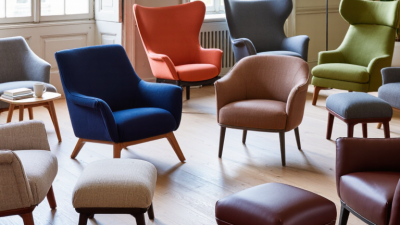
A sofa chair should express your business before guests read a single word. Its shape, color, and material should support your brand personality. A rounded chair feels welcoming and relaxed. A firm, straight-lined design suggests precision and confidence. Soft beige upholstery may suit a calm wellness studio, while deep green can add warmth to a professional reception area.
Look closely at the existing interior. Match the chair’s height with nearby tables, and keep enough space for comfortable movement. In a compact office, a slim frame prevents the room from feeling crowded. In a hotel lounge, deeper cushions may encourage longer stays. I once selected a beautiful velvet chair for a busy reception area. It looked refined, but cleaning marks became frustrating. The visual choice was right. The practical choice was not.
Material matters every day. Choose upholstery that feels pleasant but can handle frequent use. Check the stitching, frame strength, cushion recovery, and cleaning instructions before ordering several pieces. Neutral colors often offer flexibility, but they can feel lifeless without texture or contrast. Add character through piping, wood details, or a carefully chosen accent color. Test one chair in the actual space first. Lighting changes everything, and online images can mislead. A chair may match the brand perfectly, yet still feel wrong beside the floor, walls, or reception desk.
Evaluate Budget, Supplier Reliability, and Long-Term Value
How to Choose the Right Sofa Chair for Your Business?
Budget should include more than the purchase price. I recommend calculating a three-year ownership cost. Add freight, assembly, cleaning, repairs, and likely replacement. A cheaper sofa chair may become expensive after repeated use. Record fabric durability, frame materials, warranty terms, and spare-part availability. The numbers will not be perfect. They still expose hidden costs.
Supplier reliability deserves equal attention. The World Bank’s 2023 Logistics Performance Index evaluates 139 economies across customs, infrastructure, and shipment timeliness. Use it as a screening signal, not a final decision. Ask suppliers for production lead times, inspection records, and recent commercial references. ISO’s 2022 Survey recorded 1,265,216 ISO 9001 certificates worldwide. Certification shows a quality-management system, but it does not guarantee a comfortable chair. Request test reports for commercial seating, including load, stability, and durability performance.
Long-term value also depends on daily user experience. In a reception area, a firm seat, washable upholstery, and strong armrests reduce complaints. In a lounge, softer cushioning may feel better, but it can lose shape sooner. I once underestimated cleaning time when comparing two similar chairs. That mistake changed the real cost. Keep a small sample on-site for one busy week. Watch stains, movement, noise, and user posture before approving a larger order.
How to Choose the Right Sofa Chair for Your Business? - Evaluate Budget, Supplier Reliability, and Long-Term Value
Comparison benchmarks for commercial sofa chairs based on purchase cost, supplier performance, durability, maintenance requirements, and estimated five-year ownership value.
Cost ranges are planning benchmarks in USD for commercial procurement and may vary by quantity, upholstery, shipping distance, fire-safety requirements, customization, and installation. Confirm final pricing, test reports, warranty terms, delivery performance, and spare-part availability before placing an order.