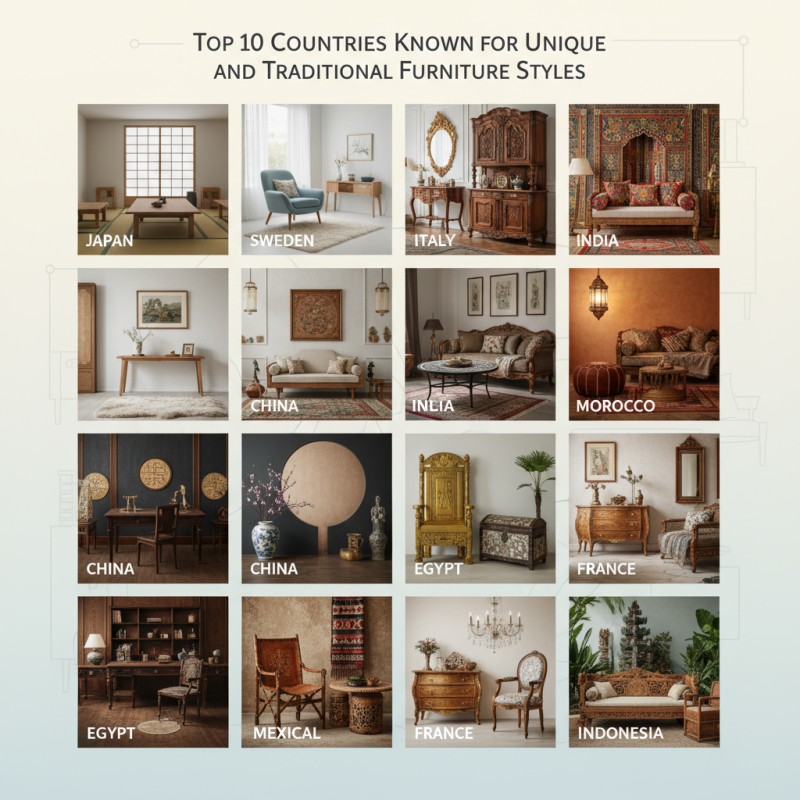
Top 10 Countries Known for Unique and Traditional Furniture Styles
When it comes to expressing culture and heritage, few mediums are as significant as furniture. Each piece tells a story, reflecting the traditions, materials, and craftsmanship of its country of origin. In our exploration of the world's most distinctive furniture styles, we delve into the top 10 countries known for their unique contributions to this artistry. From the intricate carvings of Southeast Asia to the minimalist aesthetics of Scandinavia, each furniture country offers a glimpse into its historical context and cultural values.
The importance of traditional furniture cannot be overstated; it serves not only functional purposes but also symbolizes the identity and artistry of a nation. As we uncover the characteristics that define each region's furniture style, we celebrate the diversity and creativity found within the global landscape. This journey will not only highlight the aesthetic differences but also the shared human experiences that shape our living spaces, making it a vital exploration for design enthusiasts and cultural aficionados alike. Join us as we navigate through the fascinating world of furniture, discovering how each country's unique style contributes to the rich tapestry of global design.
Top Countries Celebrated for Distinctive Furniture Craftsmanship
When it comes to distinctive furniture craftsmanship, certain countries stand out for their rich traditions and unique styles. Countries such as Italy, Japan, and Sweden have developed their own iconic design languages, combining aesthetics with functionality.
Italian furniture, for instance, is renowned for its elegance and attention to detail, often reflecting the country's artistic heritage.
Meanwhile, Japanese craftsmanship emphasizes simplicity and minimalism, often incorporating natural materials to create serene environments.
Sweden is celebrated for its blend of modern design and practical functionality, making its furniture both stylish and user-friendly.
For those interested in incorporating unique furniture styles into their own homes, consider exploring local artisans in these countries. This not only supports traditional craftsmanship but also helps to infuse your living spaces with character and a story.
Additionally, keep an eye out for workshops or classes that focus on traditional techniques, as they can provide invaluable insight into the artistry behind the pieces.
Another tip is to mix and match different traditional styles to create a personalized aesthetic. For example, pairing a sleek Scandinavian chair with a handcrafted Japanese table can add depth and contrast to your decor. By embracing the diversity of furniture styles from around the world, you can create a home that reflects your unique taste and appreciation for craftsmanship.
Exploring the Cultural Significance of Furniture in Different Nations
Furniture is not just about functionality; it embodies the heritage, traditions, and cultural narratives of a nation. In countries like Japan, the minimalist design and natural materials of traditional furniture reflect a deep respect for nature and simplicity. Tatami mats and futons emphasize a lifestyle of harmony and tranquility, drawing from centuries of practice in Zen philosophy. Similarly, in Scandinavia, the focus on clean lines and practicality in furniture design symbolizes a balance between aesthetic appeal and functionality, echoing the region's commitment to egalitarianism and sustainability.
Tips: When exploring traditional furniture styles, pay attention to the materials used. Many cultures utilize locally sourced materials that reflect their environment and history. For example, wood variations in traditional European furniture differ widely based on the availability of native trees.
Another aspect to consider is the craftsmanship involved. In many traditional cultures, furniture making is a craft passed down through generations, carrying with it the stories and techniques of ancestors. Engaging with local artisans not only supports their work but also provides deeper insight into the cultural significance of each piece. This connection to the craftsmanship can greatly enhance your appreciation and understanding of furniture as an art form and a cultural milestone.
Traditional Materials and Techniques in Global Furniture Design
When exploring the intricate world of global furniture design, traditional materials and techniques shine as pivotal elements that define a country’s unique style. From the sturdy hardwoods of North American timber to the intricate hand-woven textiles of South Asia, the diversity in materials emphasizes both functionality and artistry. According to a report by the International Furniture Design Association, natural materials such as wood and metal account for over 70% of furniture production worldwide, reflecting a growing preference for sustainable practices and durability in design.
Techniques also play a vital role in the craftsmanship of traditional furniture. For instance, the use of joinery in Japanese woodworking exemplifies the harmony between functionality and aesthetics, where complex joints reinforce structure without the need for nails. A study by the Global Design Consortium indicated that regions maintaining traditional craftsmanship see a resurgence in demand, as consumers seek not just furniture, but a piece of culture and history that resonates with their personal values. This trend underscores a global shift towards appreciation for artisanal skills and the stories behind each piece, reinforcing the importance of preserving these techniques for future generations.
Notable Regions for Iconic Furniture Styles Across the Globe
Across the globe, various regions are celebrated for their distinctive furniture styles that reflect the culture and traditions of their people. In Scandinavia, minimalist designs emphasize functionality and simplicity, often featuring natural materials such as wood and leather. The famous Nordic aesthetic prioritizes clean lines and a harmonious balance with nature, making it a favorite for modern homes seeking calm and clarity.
Meanwhile, in countries like Japan, traditional craftsmanship is evident in the exquisite art of tatami mats and sliding doors. Japanese furniture often incorporates elements of Zen philosophy, emphasizing a connection to the natural world, while materials such as bamboo and light woods foster a tranquil atmosphere. Similarly, in the Mediterranean region, artisanal craftsmanship shines through in ornate, hand-carved wooden pieces, often adorned with vibrant colors that mirror the sun-soaked landscapes of Southern Europe. Each region tells a story through its furniture, offering unique insights into their respective cultures and histories.
Modern Influences on Traditional Furniture: A Global Perspective
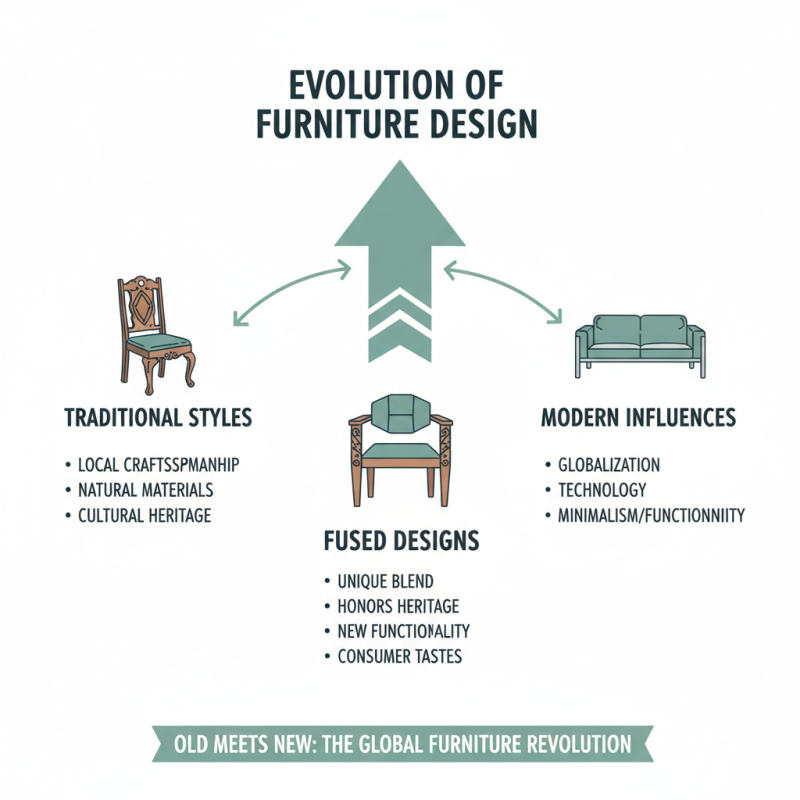
Modern influences on traditional furniture styles have brought about a fascinating blend of old and new, creating unique designs that reflect the evolving tastes and preferences of consumers worldwide. In many cultures, traditional furniture was deeply rooted in the local craftsmanship, materials, and aesthetic values that reflected the social and historical context of the times. However, the advent of globalization and technological advancements has allowed these traditional designs to amalgamate with contemporary styles, resulting in pieces that honor heritage while embracing modern functionality and minimalism.
For instance, Scandinavian design has influenced countries around the globe, bringing a clean, functional aesthetic into traditional forms. This cross-pollination often leads to the use of new materials and techniques that were not traditionally available, such as eco-friendly composites or ergonomic designs that cater to modern living. Additionally, the rise of online marketplaces and social media has enabled artisans to showcase their work beyond local and regional boundaries, leading to a greater appreciation and reinterpretation of traditional furniture styles. This dynamic interaction between tradition and modernity not only preserves the essence of various cultures' craftsmanship but also allows for innovative exploration, resulting in furniture that is both timeless and functional for today’s lifestyle.