Top 5 Essential Tips for Choosing Shower Room Fittings?
Choosing the right Shower Room Fittings is crucial for any bathroom renovation. These fittings not only enhance the aesthetics, but also improve functionality. The market offers a variety of styles, materials, and features. It can be overwhelming to decide, especially with so many options available.
Proper shower room fittings can transform a bland space into a relaxing oasis. However, many homeowners overlook the importance of quality and design. People often rush this process, leading to regrettable decisions. A focus on both form and function is essential in creating a seamless experience.
When selecting fittings, consider practicality alongside style. Measure your space accurately to ensure a perfect fit. Some may prioritize trendy looks, neglecting long-term durability. This can lead to dissatisfaction later. It's important to balance personal taste with quality choices. By doing so, you'll create a shower room that is both beautiful and functional.
Understanding Different Types of Shower Fittings and Their Benefits
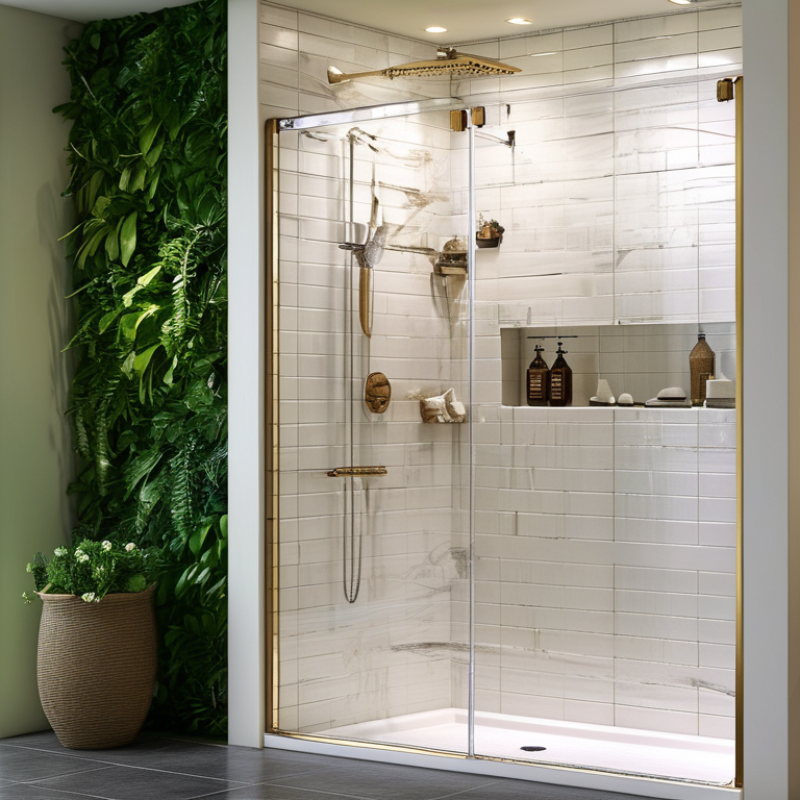
When choosing shower room fittings, it’s essential to understand their various types and benefits. One popular option is the wall-mounted showerhead. This fitting is sleek and maximizes space. It’s often adjustable, allowing for different height preferences. The rain showerhead type offers a luxurious experience, creating a soft, soothing cascade of water. However, installations can be trickier. Not everyone loves the pressure from rain-style showers.
Handheld showerheads are versatile and practical. They offer flexibility for rinsing and cleaning. However, they can sometimes lead to messy installations. Some users find they can be difficult to mount securely. Fixed options provide steady water flow, but they lack the flexibility that others do. Consider your bathroom's design and your daily routines. Each fitting varies in price and maintenance. Cheaper options may lead to more frequent replacements. Higher-end products often focus on durability and aesthetics, making them a worthy investment. Explore your options, weighing aesthetics and functionality.
Evaluating Quality: Materials and Durability of Shower Room Fittings
When selecting shower room fittings, materials and durability are crucial. Opt for stainless steel or brass for longevity. These materials withstand the moisture of bathroom environments. Plastic fittings may seem cheaper but often lack the durability you need. A weak fixture can lead to leaks, which can cause significant damage over time.
Consider the finish as well. Chrome and matte finishes each offer their own aesthetic appeal. However, they can vary in terms of maintenance. A shiny finish may show water spots easily, demanding frequent cleaning. On the other hand, matte finishes often require less frequent upkeep, but they may show wear more visibly.
Don’t overlook warranties either. A good warranty often indicates the manufacturer's confidence in their product’s durability. If a fitting has a limited warranty, question its reliability. Ask yourself: is it worth the risk? Quality fittings may cost more upfront but can save money in the long run by reducing repairs. Choose wisely, and remember that your selections impact both style and functionality.
Design Considerations: Style and Functionality in Shower Fittings
Choosing the right fittings for your shower room is crucial for both style and functionality. According to industry reports, nearly 70% of homeowners prioritize aesthetics when selecting bathroom fixtures. The design should complement your space while providing practicality. For instance, opting for anti-slip surfaces can greatly enhance user safety, particularly in non-slip environments.
Functionality should not be overlooked. You need fixtures that are easy to clean and maintain. A survey highlighted that 63% of consumers prefer finishes that resist water spots and staining. These small details can significantly impact your shower room's longevity and aesthetic appeal. Consider the flow rate of faucets and showerheads; many modern models optimize water usage, providing both luxury and efficiency.
The right balance of style and practicality can be a challenge. Not all designs cater to functional needs. You may find beautiful fittings that are difficult to use or maintain. This disconnect often leads to regret. Choosing fittings that align well with your lifestyle can help avoid future dissatisfaction. Aim for designs that are simple yet effective, providing a seamless user experience.
Top 5 Essential Tips for Choosing Shower Room Fittings
| Tip | Consideration | Style Options | Functionality |
| 1. Assess Space Requirements | Measure available area | Compact, Standard, Walk-In | Easy access, comfort |
| 2. Choose Materials Wisely | Durability and maintenance | Ceramic, Glass, Acrylic | Resistance to moisture |
| 3. Match with Overall Design | Harmonize with decor | Modern, Vintage, Minimalist | Aesthetic appeal |
| 4. Evaluate Shower Heads | Functionality and coverage | Rainfall, Handheld, Multi-function | Comfort, Water efficiency |
| 5. Consider Storage Solutions | Organization needs | Shelving, Corner Units | Space saving, Accessibility |
Budgeting Wisely: Cost Factors in Choosing Shower Room Fittings
When planning a shower room, budgeting wisely is crucial. A recent industry report indicates that the average cost for shower fittings can range significantly, from $100 to over $1,000. This variance often hinges on materials and design choices. High-quality materials like brass and tempered glass may raise costs but can enhance durability.
One key factor in budgeting is understanding installation expenses. Professional installations may add an average of 20-30% to your total costs. Many underestimate labor costs, assuming they can DIY. This misconception can lead to overspending due to mistakes. It’s vital to evaluate whether your skills can meet the requirements.
Another aspect is long-term savings versus initial investment. Although cheaper fittings reduce upfront costs, they may incur higher maintenance and replacement fees. According to a survey by the National Association of Home Builders, nearly 40% of homeowners regret not investing more initially. Think carefully about your choices. The best approach combines quality and aesthetics while staying within your budget.
Installation and Maintenance: Ensuring Longevity of Your Shower Fittings
When choosing shower room fittings, installation and maintenance are crucial for ensuring longevity. Proper installation helps prevent leaks and damages. The National Kitchen and Bath Association reports that improper installation can lead to costly repairs. A secure fit means avoiding unnecessary water damage and mold growth.
Routine maintenance is equally important. Regularly check seals and fittings for leaks or deterioration. Industry studies indicate that neglecting maintenance can reduce the lifespan of your shower fittings by up to 50%. A simple weekly inspection can save homeowners from expensive replacements.
Investing in quality materials also enhances durability. Corrosion-resistant fixtures are a wise choice for humid environments. While top-tier materials might require a higher upfront cost, their longevity justifies the expense. However, understanding the balance between initial investment and long-term savings is essential. Choosing the right fittings should consider not just looks, but resilient features that cater to a user’s lifestyle.
Top 5 Essential Tips for Choosing Shower Room Fittings
This chart illustrates the relative importance of different factors to consider when choosing shower room fittings. Material quality ranks the highest, followed by design style and water efficiency. Understanding these factors can help ensure the longevity and functionality of your shower fittings.
