
What Is an Electric Marine Toilet and How Does It Work?

An Electric Marine Toilet replaces the familiar hand pump with an electrically powered flushing system. At the touch of a switch, a pump moves rinse water into the bowl, while another mechanism carries waste away. Many models use a macerator to break down waste before it enters a holding tank or an approved discharge system. The exact arrangement varies by boat. Small details matter.

Some toilets draw water from the boat’s freshwater supply; others use seawater. Freshwater can reduce marine growth in plumbing, while seawater may conserve stored water. Neither option is perfect for every vessel. Tank capacity, hose routing, battery condition, and available space all affect the choice. A compact toilet may fit neatly in a cabin, yet still require careful access for service.

The operating cycle is simple, but installation is not always. Electrical wiring must suit the unit’s specifications, and plumbing connections need secure, odor-resistant marine hoses. Follow the manufacturer’s manual, especially when checking fuses, pump protection, and winterization requirements. A weak battery can make flushing unreliable, often at the least convenient moment. Not glamorous.

Routine care usually means using the recommended marine toilet paper, keeping the bowl and seals clean, and emptying the holding tank before it becomes a problem. Avoid assuming every model works the same way; controls and maintenance needs differ. This guide explains the main components, the flush cycle, and the practical trade-offs, so boat owners can judge whether an electric system suits their vessel and habits. A little humility helps: even a well-chosen toilet depends on sound installation and consistent care.
What Is an Electric Marine Toilet and How Does It Work?

What Defines an Electric Marine Toilet?

An electric marine toilet is defined by its electrically powered flushing and waste-handling system. Unlike a manual toilet, it uses a motorized pump to move water and discharge waste. Depending on the design, the pump may draw seawater or use onboard freshwater. Some units also macerate waste; others rely on different plumbing arrangements. That distinction matters.

The system usually connects to a vessel’s water supply and a holding tank. A control switch starts the flush cycle, while wiring, hoses, valves, and a suitable electrical circuit support its operation. Voltage and power use vary by model, so the boat’s electrical capacity should be checked before installation. Correct hose routing and secure connections help prevent leaks and unwanted odors. In practice, even a well-installed toilet needs regular inspection; small maintenance tasks are easy to postpone.

Tips: Check the manual for flushing and cleaning instructions. Use only approved products, and inspect hose clamps for signs of moisture or corrosion. If the pump sounds strained, stop and check for a blockage rather than repeatedly running it. Cleaning is not glamorous, but skipping it can make a minor issue harder to fix.

What Components Make Up an Electric Marine Toilet?

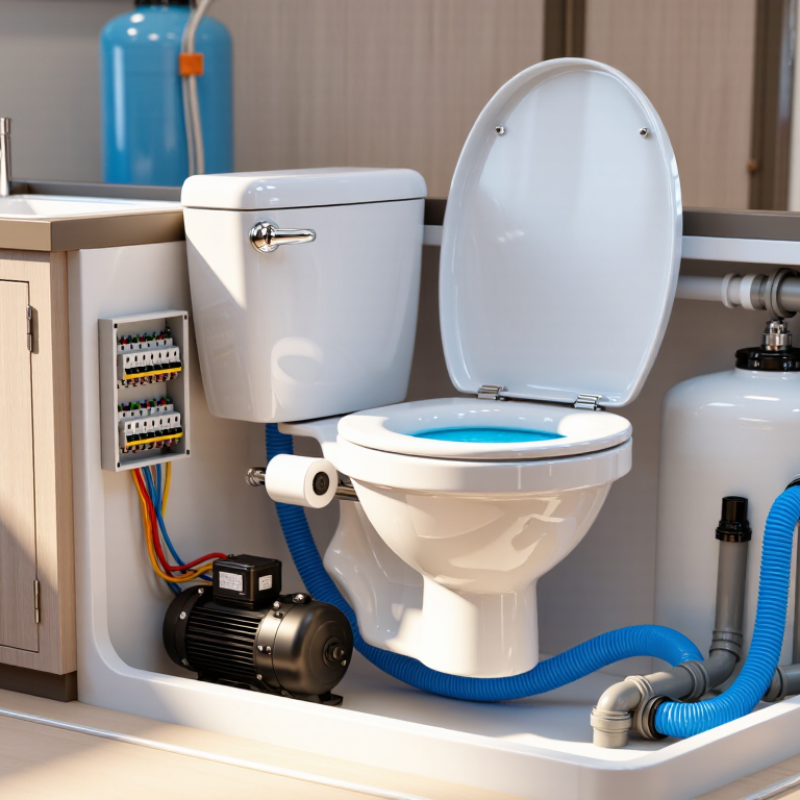
An electric marine toilet combines a bowl with a powered flushing and waste-transfer system. The bowl and seat look familiar, but the machinery usually sits beneath or behind them. An electric motor drives a pump that moves flush water and waste through the plumbing. Many models include a macerator, which cuts waste into smaller particles before it moves onward. Pump arrangements vary, so the installation instructions matter. A wall switch or control panel operates the flush; some panels have separate water and flush controls. Keep controls dry. A small detail, but an important one.

Water enters through an intake line, often connected to a seacock, or through a freshwater supply designed for the toilet. A strainer can catch debris before it reaches the pump. Waste travels through a discharge hose to a holding tank or an approved outlet, depending on the vessel’s setup. The tank’s vent line lets air escape, while an anti-siphon loop or check valve can help prevent backflow. Electrical wiring and a correctly rated fuse power the motor. Corrosion, loose clamps, and worn seals deserve regular inspection. The hose route is easy to underestimate: sharp bends can restrict flow, and poor seals can let odors into a small cabin. Follow the equipment specifications and check the fittings after installation.

How Does the Flushing Cycle Work?

An electric marine toilet uses a motor and pump to move waste into a holding tank. Its flushing cycle usually starts when you press a button or switch. A valve admits water to the bowl, while a pump moves the contents through the discharge line. Many models use a macerator to break waste into smaller particles, but the mechanism varies. The toilet is not a magic box; it depends on power, water, and clear plumbing.

After flushing, the pump may continue briefly to clear the bowl and line. You might hear a short whir or hum, then the sound stops. That pause matters. Cutting power too soon, or using too little water, can leave waste in the line and contribute to odors or blockages. Some systems use fresh water; others draw seawater. Check your unit’s manual for its recommended flush cycle and water setting.

Tips: Use the control as directed, and listen for changes in the pump’s usual sound. A slower flush deserves attention. Keep the bowl clear of wipes and other items that can jam the mechanism. If water remains or the pump runs unusually long, stop and inspect the system before repeated flushing.

How Does an Electric Marine Toilet Flushing Cycle Work?

Illustrative duration of each stage in a typical electric marine toilet flush. Actual cycle timing and operation vary by model.

A control switch activates the flushing system. Water rinses the bowl, while a motor-driven macerator breaks up waste and pumps it through the discharge line. A final rinse helps clear the bowl. Follow the toilet’s manual for correct operation and water use.

How Is Waste Discharged or Stored?

An electric marine toilet uses powered pumps to move waste from the bowl into a hose. In many systems, a macerator breaks up solids before pumping them onward. The waste can travel to a holding tank or, where the vessel’s plumbing allows, through a discharge line. The route depends on the installation. A diverter valve may direct flow, but its position should match the system’s instructions and applicable local requirements.

A holding tank stores waste until it can be emptied at an appropriate pump-out facility. Watch the tank level, and check that its vent is clear; a blocked vent can cause unpleasant pressure or slow filling. Some installations use a treatment unit before any permitted discharge.

Simple, but easy to misread. Never assume that a toilet’s electric pump alone makes discharge appropriate.

Inspect hoses, clamps, valves, and electrical connections for leaks, corrosion, or loose fittings. The layout can be confusing at first, especially when a valve is hidden behind a panel. Trace the hoses before operating it, and consult the vessel’s manual if the flow path is uncertain.

What Types of Electric Marine Toilets Are Available?

Electric marine toilets are commonly grouped by flushing mechanism. The most familiar type is the macerating toilet: an electric pump moves flush water, while a grinder breaks waste into smaller particles before discharge to a holding tank or approved outlet. It suits compact heads, but the pump can be noisy, and blockages still require careful troubleshooting.

Vacuum-flush toilets use suction to move waste through narrow pipes, often with less flush water. Their vacuum pump and valves add components, so access for servicing matters. Pressure-assisted models use a pump to deliver a strong, measured flush. They can work well in tight layouts, though pump noise and electrical demand vary. These categories can overlap: a toilet may use an electric macerator and draw either freshwater or seawater.

Water supply and waste routing are separate choices. Freshwater flushing avoids seawater intake plumbing; seawater flushing can reduce freshwater use, but leaves salt and marine growth in the system. The U.S. Coast Guard’s 2023 Recreational Boating Statistics lists 11,592,661 registered recreational vessels. The report does not classify toilet equipment, so that figure is context, not a product comparison. Check available voltage, hose runs, tank capacity, and service access before choosing. A cramped compartment can make a theoretically efficient unit frustrating.

What Is an Electric Marine Toilet and How Does It Work? — Types of Electric Marine Toilets
Type or Configuration How It Works Typical Water and Waste Route Power and Controls Common Applications Key Considerations
Electric macerating toilet An electric motor drives a pump and cutting or macerating mechanism. The system flushes the bowl and moves the waste through a discharge line. Flush water usually comes from a freshwater supply or, in suitable installations, seawater. Waste can be sent to a holding tank or an approved overboard discharge system. Many boat installations use 12 V or 24 V DC. A switch or control panel starts the flush cycle; exact wiring and fuse requirements vary by unit. Small and medium-sized recreational boats where a compact toilet and pumped waste handling are useful. Requires correctly sized wiring, plumbing, and discharge hoses. The macerator and pump can be noisy, and solid items that are not toilet-safe can cause blockages.
Vacuum-flush toilet A vacuum is created in a holding chamber. Opening the flush valve lets the pressure difference move the bowl contents into the waste line; a pump then restores the vacuum. Uses a measured flush of water, with the waste carried through a vacuum line to a holding tank or other permitted waste system. Typically powered by the vessel’s electrical system. A vacuum pump and control components operate as part of the flush cycle. Boats that benefit from low flush-water use, longer pipe runs, or flexible toilet placement. Needs vacuum plumbing and correctly sealed connections. Leaks can reduce vacuum performance; pump cycling and maintenance should be considered in the installation plan.
Electric flush conversion system An electric pump or flush mechanism replaces or supplements the manual operation of a compatible toilet. The precise flushing and waste-moving method depends on the conversion design. Water use and waste routing depend on the existing bowl, plumbing, and selected conversion system. Commonly available for 12 V or 24 V DC systems, although compatibility and electrical requirements are product-specific. Refits where an owner wants electric flushing without replacing the entire toilet installation. Check bowl and mounting compatibility, available electrical capacity, plumbing connections, and whether the system can handle the boat’s existing waste route.
Electric toilet with freshwater flush An electric pump supplies freshwater to rinse the bowl, while a separate or integrated pump moves waste from the toilet. Draws from the vessel’s freshwater system; waste is routed to a holding tank or another legally permitted destination. Uses electrical power for flushing and pumping. A backflow-prevention arrangement is important where required by the system design. Vessels where keeping seawater out of the toilet system is preferred. Uses water from the onboard freshwater supply. Installation must protect the potable-water system from contamination and follow applicable marine plumbing requirements.
Electric toilet with seawater flush An electric pump draws seawater for bowl rinsing, and the toilet’s waste pump moves the contents through the discharge plumbing. Uses surrounding seawater for flushing; waste is directed to a holding tank or a discharge arrangement allowed in the operating area. Electric power runs the flush and waste pumps. The supply voltage and current draw vary by unit. Vessels where conserving stored freshwater is a priority and seawater intake is suitable. Intake plumbing needs appropriate screening and shutoff arrangements. Seawater can contribute to deposits or odor in plumbing if the system is not maintained.

How an electric marine toilet works: A control initiates a flush, electrical components supply rinse water and move waste, and the plumbing carries the waste to a holding tank or another permitted destination. Water use, power demand, and discharge options vary by installation and model; local marine sanitation rules apply.

Pin It on Pinterest

Share This