
How to Choose the Best Patella Strap in 2026

Choosing a Patella Strap in 2026 is less about finding the most popular model and more about matching its design to your knee, activity, and comfort. Options may differ in strap width, padding, closure style, and material. Those details matter when you wear one beneath jeans, during a run, or through a long shift. A strap that looks sturdy online can still rub or slip in real life. Fit matters.

This guide explains what to check before buying, including adjustability, breathability, sizing, and ease of cleaning. It also considers how the strap sits just below the kneecap and whether it stays in place as you bend or climb stairs. A secure fit should feel supportive, not painfully tight. Small details count. Skin irritation, numbness, or increased discomfort are reasons to loosen or remove it.

A patella strap may offer support during activity, but it is not a diagnosis or a guaranteed fix. Knee pain can have different causes, and a product that helps one person may not help another. Even a well-reviewed strap can feel wrong at first; that possibility deserves an honest place in the buying decision. If pain is persistent, severe, or follows an injury, seek guidance from a qualified healthcare professional. The aim here is practical: compare features carefully, understand the trade-offs, and choose a strap that suits your needs rather than chasing a universal “best.”
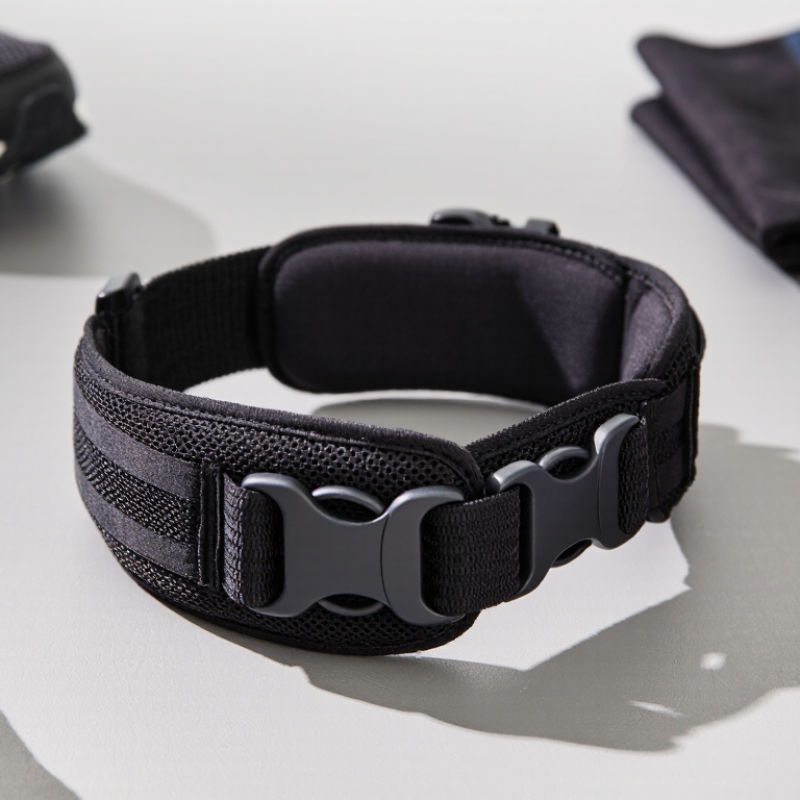
How to Choose the Best Patella Strap in 2026

Understand How a Patella Strap Supports the Knee

A patella strap, often called a patellar tendon strap, sits just below the kneecap. Its small padded section applies gentle pressure over the tendon. During running, jumping, or climbing stairs, this pressure may change how force travels through the area. It does not hold the kneecap firmly in place or support the whole knee.
That distinction matters. Relief varies from person to person, and the reason for knee pain is not always obvious.

A useful strap should stay in position without pinching. Place it below the kneecap, following the product’s fitting instructions, then bend and straighten your leg. Snug, not tight. If you notice tingling, numbness, skin irritation, or increased pain, loosen or remove it. Breathable material and an adjustable closure can help during longer activity, though even a well-made strap may feel awkward at first. I’d avoid assuming that more pressure means more support.

When choosing one in 2026, consider your activity, fit, and comfort rather than relying on claims of a quick fix. Try it during a short, easy session before wearing it for a full workout. Keep track of what changes. If pain persists, worsens, or follows an injury, seek advice from a qualified healthcare professional; a strap may ease symptoms but cannot identify their cause.

Identify Your Condition and Level of Support Needed

Before choosing a patella strap, identify where and when your knee hurts. A strap may help some people with pain around the patellar tendon, especially during running, jumping, or climbing stairs. It is not a fix for every knee problem. Pain after a twist, visible swelling, locking, or trouble bearing weight calls for medical assessment rather than trial-and-error support. A clinician can help distinguish tendon irritation from other causes.

Match the support to your activity and comfort. A simple, adjustable band may be enough for mild symptoms during exercise; a wider sleeve can feel steadier if you also want warmth or light compression. Fit matters. Position the pad just below the kneecap, over the tendon, and tighten it only until it feels secure. Not tighter. Check for numbness, skin irritation, or increased pain, and take it off if these occur. Walk a few steps, then try a shallow squat before exercising. The fit is not an exact science, and straps do not suit everyone. If discomfort persists or keeps returning, ask a qualified health professional to review your symptoms and activity plan.

How to Choose the Best Patella Strap in 2026 — Identify Your Condition and Level of Support Needed
Situation or Need Support to Consider What to Look For Fit and Use Guidance When to Seek Professional Advice
Possible patellar tendon pain: discomfort just below the kneecap, often aggravated by jumping, running, or repeated knee bending A simple patellar tendon strap may be worth trying for activity-related symptom relief An adjustable strap with a comfortable pressure pad that sits below the kneecap; breathable, washable material Position it below the kneecap, not directly over it. It should feel supportive without causing numbness, tingling, skin irritation, or increased pain. Get an assessment if pain persists, worsens, limits normal activity, or follows a sudden injury. A strap does not treat the underlying cause.
General knee discomfort or a preference for warmth and light compression A flexible knee sleeve may suit better than a focused tendon strap Comfortable, even compression; a size range that matches measured knee circumference; material that does not bunch behind the knee Choose a fit that stays in place without constricting circulation. A sleeve provides broader coverage but is not the same as a targeted patellar strap. Ask a clinician about persistent swelling, recurring pain, or symptoms that interfere with walking or daily activities.
Pain around or behind the kneecap, especially with stairs, squatting, or prolonged sitting A patellar strap may not address the main source of this type of pain; seek guidance on appropriate support and exercise If trying a strap, prioritize comfort and easy adjustment rather than assuming tighter support is better Stop using it if symptoms worsen. Support choice should be based on an assessment, since pain around the kneecap can have different causes. Consult a healthcare professional if pain is ongoing, recurrent, or accompanied by swelling or reduced movement.
A feeling that the kneecap shifts, gives way, or is unstable Do not rely on a basic tendon strap as a substitute for an instability assessment Any brace choice should match the cause of instability and be recommended for the individual situation A strap designed for tendon-area pressure may not control kneecap movement. Avoid using it to push through instability symptoms. Arrange clinical assessment, particularly after a kneecap dislocation, repeated giving-way episodes, or a recent injury.
Adolescent with pain or tenderness near the bump below the kneecap A strap may provide comfort for some activities, but it is not a replacement for an appropriate evaluation Adjustability and a comfortable fit are important as the child grows; avoid excessive pressure on a tender area Use only if comfortable and appropriate for the activity. Reduce or stop the activity if pain increases. Ask a pediatric healthcare professional about persistent pain, significant swelling, limping, or symptoms that affect sport or daily life.
Recovery after knee surgery or a significant knee injury Use only the support specified by the treating clinician Follow the care plan for brace type, permitted movement, and timing of use Do not substitute an over-the-counter strap for a prescribed brace or rehabilitation instructions. Contact the treating team with questions about support, swelling, wound concerns, or worsening symptoms.

Choosing and checking fit: Measure according to the product’s sizing instructions, compare the measurement with its size chart, and test the strap during a short, low-intensity activity first. A strap should not cause numbness, tingling, skin color changes, or increased pain. Seek urgent medical care for severe pain, a visibly deformed knee, inability to bear weight after an injury, or a hot, red knee with fever.

Compare Strap Designs, Materials, and Adjustability

Choosing a patella strap means comparing contact, fabric, and adjustment—not just appearance. A narrow, firm band sits below the kneecap and can apply focused pressure near the patellar tendon. Wider designs spread pressure across more skin, which may feel better during longer sessions. Neoprene often feels warm and cushioned; woven elastic is lighter and breathes better. Silicone grip strips can limit slipping, but may irritate sensitive skin. Fit matters. The strap should feel secure without causing numbness, tingling, or skin discoloration.

Adjustability is practical, not cosmetic. Look for a closure you can tighten in small increments, even with sweaty hands. In a 2008 review in Arthritis & Rheumatism, Warden and colleagues assessed research on patellar taping and bracing; the evidence suggested possible pain relief, but study methods and results varied. One randomized trial reported about 25% less pain during a decline-squat test with a patellar strap than with placebo taping. That is a task-specific result, not a promise for every wearer. Not a cure. Check the strap during a few gentle squats: it should stay in place without pinching. I would also reassess after exercise, because a comfortable fit at rest can become irritating once the knee warms and swells.

Check Fit, Comfort, Safety, and 2026 Product Features

A good patella strap should sit directly below the kneecap, not across its center. Check the size chart and measure your leg where the strap will rest; sizing labels vary. It should feel snug, with the pad centered on the tendon, but should not cause numbness, tingling, or skin discoloration. The World Health Organization’s 2022 musculoskeletal conditions fact sheet estimates that 1.71 billion people live with musculoskeletal conditions worldwide. That broad figure is not evidence that a strap will treat your knee pain. Use it as context, not a promise.

Comfort matters during real movement. Walk, bend, and climb a few steps before deciding; a strap that slips or pinches may distract more than it helps. For 2026 models, compare breathable materials, smooth edges, washable construction, and closures that adjust without bulky buckles. These features can improve daily use, but they do not guarantee better clinical results. I would not trust a strap simply because it feels tight. More pressure is not automatically more support.

Tips: Wear it over clean, dry skin and check for irritation after a short trial. Stop using it if pain worsens, or if your foot feels numb or unusually cold. Persistent knee pain deserves assessment by a qualified clinician, especially after an injury. A strap is an aid, not a diagnosis.

How to Choose a Patella Strap in 2026

Suggested decision priorities for comparing fit, comfort, safety, adjustability, and care.

The percentages are an illustrative buyer’s checklist, not measured product ratings or clinical findings. Check sizing guidance, ensure the strap feels secure without restricting circulation, and stop using it if it causes pain, numbness, or skin irritation.

Choose, Wear, and Care for Your Patella Strap

Choosing a patella strap starts with the problem it should address: discomfort around or below the kneecap during activity.

A 2018 systematic review in PLOS ONE estimated patellofemoral pain prevalence at 22.7% among adults and 28.9% among adolescents. Those figures describe how common the pain is, not whether a strap will help you.

Fit is not always intuitive.

Placement and fit

Follow the strap’s placement instructions; many designs sit just below the kneecap, over the patellar tendon. Fasten it snugly, not tightly. You should be able to bend your knee and walk without tingling, numbness, or increasing pain.

Try it gradually

Try it during a short, easy activity before wearing it for a full workout. If symptoms worsen, remove it and reassess the fit.

A 2019 clinical practice guideline in the Journal of Orthopaedic & Sports Physical Therapy emphasizes exercise and education for patellofemoral pain; a strap is better treated as an optional aid, not a substitute for care.

After use

After use, check your skin for irritation and inspect the strap for stretched elastic or loose stitching. Wash it according to its care label, then let it air-dry fully before storing it.

Small details matter.

Persistent pain, swelling, or difficulty bearing weight deserves assessment by a qualified health professional.

Pin It on Pinterest

Share This