
What Are Teardrop Banners and How Do They Work?

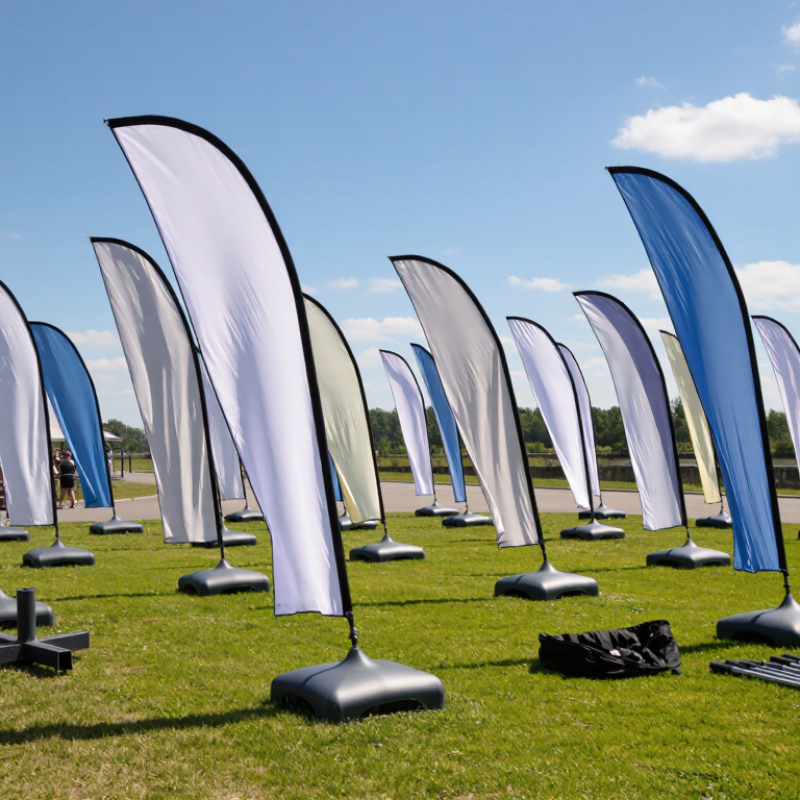
Teardrop Banners are portable display flags shaped like a falling water droplet. Their curved tops and tapered bases create a recognizable outline from a distance. Unlike flat posters, they use a flexible pole and fabric sleeve to maintain tension. This structure helps the printed message remain visible when the banner moves gently in outdoor air.

A typical banner includes a fabric graphic, a segmented pole, a ground base, and a carry bag. The pole slides through a sewn sleeve, while the base supports the completed shape. On grass, a spike base can provide practical stability. On pavement, a weighted cross base or water-filled base is usually more suitable. Placement matters. A banner near a busy entrance can attract attention within seconds, but small text may disappear beyond a few meters. Clear lettering works better.

Wind changes the result.

The fabric may ripple, even with careful installation. Strong gusts can stress the pole, seams, and base, so outdoor users should follow the manufacturer’s safety guidance. Weather resistance also varies between materials and printing methods. Polyester fabric often offers a balance between color quality, flexibility, and transportability, but no banner stays perfect forever. Dust, moisture, and repeated folding can reduce its appearance. Regular cleaning and dry storage help.

Understanding how Teardrop Banners work makes selection more practical. Size, base type, fabric tension, viewing distance, and location should match the display goal. A striking shape alone cannot fix weak design. That is an easy detail to overlook.
What Are Teardrop Banners and How Do They Work?

Definition and Main Features of Teardrop Banners

What Are Teardrop Banners and How Do They Work?

Teardrop banners are outdoor display flags with a curved top and a pointed lower edge. Their shape resembles a falling water drop. A flexible pole supports the printed fabric and keeps its outline visible, even when the wind changes. Most models use polyester fabric, a lightweight pole system, and a ground base. The base may contain water, sand, or a heavy metal plate. This structure allows the banner to stand beside entrances, paths, event areas, or temporary sales spaces.

The banner works through tension. The pole passes through a sewn sleeve, stretching the fabric across its frame. Air movement may make the material ripple, but the message remains broadly readable from a distance. The curved design also reduces loose corners and folding. Still, it is not perfectly stable in every condition. Strong gusts can move the base, while poor assembly can twist the print. Size, pole quality, fabric density, and base weight affect real-world performance. These details deserve more attention than attractive photographs usually receive.

Tips: Check the base before every installation. Choose extra weight for pavement or exposed areas. Keep the fabric clean and fully stretched. Readability improves when text is short, dark, and placed away from the pointed edge. A test setup can reveal problems early. I would also inspect stitching after repeated outdoor use, because small tears can spread quickly.

Key Components and Materials Used in Their Construction

Teardrop banners are portable displays shaped like a falling drop. Their structure depends on a flexible pole, tensioned fabric, and a stable base. The pole usually uses fiberglass because it bends without becoming excessively heavy. This curve keeps the graphic stretched, even when wind changes its shape. A fabric sleeve guides the pole through the banner’s edge. It must fit closely, but not so tightly that assembly becomes difficult.

The printed panel commonly uses knitted polyester or woven polyester. Polyester resists moisture, dries quickly, and holds outdoor graphics clearly. Dye-sublimation printing pushes color into the fabric fibers. This process reduces peeling because the image is not simply sitting on the surface. Strong thread reinforces the sleeve, corners, and lower edge. These areas receive repeated stress during installation. Small stitching defects can become larger tears. That detail is easy to overlook.

The base carries the real practical responsibility. Steel bases add weight for firm ground, while water or sand bases offer easier transport. Some designs use a ground spike for soil, but that option is unsuitable for hard surfaces. A rotating connector can help the banner respond to wind instead of resisting every gust. Still, no base makes a teardrop banner weatherproof. I have found that users often underestimate wind exposure. The banner may look secure in calm conditions, then lean sharply within minutes. Inspecting the pole joints, seams, and base before use is a sensible habit.

How Teardrop Banners Are Designed and Assembled

What Are Teardrop Banners and How Do They Work?

How Teardrop Banners Are Designed and Assembled

A teardrop banner uses a curved fabric sleeve and a flexible pole. The pole creates tension along the banner’s edge. This tension keeps the printed surface readable, even when the wind shifts. Designers usually begin with the pole’s curve, not the artwork. The graphic must follow that shape precisely. Otherwise, logos may stretch or disappear near the top.

Most banners use knitted polyester because it is lightweight, printable, and breathable. The fabric is cut with a computer-controlled pattern for better alignment. A sewn sleeve then holds the pole, while reinforced stitching supports the lower edge. The assembly normally includes a ground spike, cross base, or weighted water base. Each option suits a different surface. Grass allows deeper anchoring. Indoor floors require stable, non-marking support.

The World Out of Home Organization reported global out-of-home advertising revenue of about 41.9 billion dollars in 2023. That growth increases demand for portable display systems, including fabric banners. Yet visibility is not the only design measure. Wind load, seam strength, pole flexibility, and base weight also matter. A beautiful banner can still fail outdoors. I have seen poor tension create wrinkles within hours. This is easy to overlook. Testing the assembled banner in real wind conditions remains valuable, even when specifications appear correct.

What Are Teardrop Banners and How Do They Work? - How Teardrop Banners Are Designed and Assembled

Part or Design Feature Typical Details How It Works Assembly or Use
Overall shape A narrow flag with a rounded top and a tapered lower section, shaped by a curved support pole. The curved pole keeps the fabric extended and helps the banner retain its recognizable teardrop outline. Slide the pole into the fabric sleeve or pockets according to the banner’s design.
Common height options Portable models are commonly sold in approximate heights of 8, 10, or 12 feet, measured from the ground to the top of the assembled flag. The selected size affects visibility, transport, and the amount of space needed for setup. Check the product’s assembled height and clearance requirements before choosing a location.
Printed fabric Outdoor flags are often made from lightweight polyester. Fabric weight and construction vary by supplier and intended use. Lightweight fabric can move in the breeze while the printed design remains supported by the pole. Insert the pole without twisting or snagging the fabric; follow care instructions when cleaning or storing it.
Graphic layout Designs are arranged within the curved, tapered printable area. Important wording is generally kept away from seams and edges. The shape draws attention vertically, but the narrow profile limits the amount of text that can be read at a distance. Use concise wording and high-contrast artwork; confirm the supplied template and safe area before printing.
Flexible pole A segmented pole, commonly made from fiberglass, supports the flag. Some designs combine fiberglass sections with other materials. The pole bends to create tension along the fabric sleeve, helping the flag stay open in light wind. Connect the pole sections in order, then gently flex the assembled pole into the fabric sleeve.
Pole sleeve or pockets A sewn sleeve or a series of fabric pockets runs along the curved edge of the flag. This feature guides and holds the pole so the fabric follows its shape. Feed the pole through the sleeve or into each pocket, keeping the fabric untwisted.
Base Base options can include ground spikes, cross bases, or weighted bases. The appropriate type depends on the surface and conditions. The base anchors the pole and helps keep the banner upright. Place the base on a suitable surface and secure it as directed. Use additional weight or a different base when recommended for the setting.
Rotating connector Some base assemblies include a rotating fitting between the pole and the base. The fitting allows the banner to turn with changing wind direction, which can reduce fabric strain. Attach the pole to the connector and check that it can rotate freely before use.
Basic assembly sequence Connect pole sections, position the base, fit the flag onto the pole, and secure the pole to the base. Correct assembly creates tension in the flag and keeps the support stable. Follow the supplied instructions; avoid forcing a pole section or bending it beyond its intended curve.
Wind and care Teardrop banners are portable display products, not permanent structures. Performance depends on the banner, base, and weather. Strong or gusty wind can stress the fabric, pole, and base even when the banner is properly assembled. Take the banner down in unsuitable weather, inspect parts regularly, and store the fabric dry.

Note: Dimensions, materials, base compatibility, and assembly details vary by product. Confirm the specifications and instructions for the specific banner before setup.

How Teardrop Banners Work in Outdoor and Indoor Settings

Teardrop banners work by keeping printed fabric under tension on a curved, flexible pole. The shape stays readable when air moves, while the narrow top reduces flutter compared with a loose rectangular flag. Outdoors, a ground spike suits firm soil; a weighted cross base is more practical on pavement. Check that the pole is fully seated and the fabric faces the expected viewing direction. Small setup details matter.

Wind still sets the limit. The National Weather Service’s Beaufort scale describes 13–18 mph winds as a moderate breeze, strong enough to move small branches. That is a useful warning sign, not a safe operating rating: gusts, pole design, and base weight all change the risk. Bring the banner in when conditions turn uncertain. Indoors, airflow is gentler, so a compact base can work near a doorway, booth, or aisle. Keep the fabric clear of lights and sprinklers, and leave room for people to pass. A banner can look crisp from across a room yet wrinkle close up. That trade-off is easy to miss.

Common Uses, Benefits, and Practical Limitations

A teardrop banner uses a flexible pole and a shaped fabric sleeve to create a tall, curved display. The fabric stays under tension, helping the printed message remain visible from the front. It can mark an entrance, guide visitors to a booth, or identify a roadside business. Setup is usually quick. The base matters.

These banners suit trade shows, sports events, retail entrances, and community gatherings. Their narrow footprint helps when floor space is limited, while the lightweight frame is easy to carry between locations. The Outdoor Advertising Association of America reported US out-of-home advertising revenue of $9.1 billion in 2023, up 2.1% from 2022. That figure covers the wider outdoor advertising industry, not teardrop banners specifically. Still, it shows why outdoor visibility remains commercially relevant.

Practical limits are easy to miss. Wind can twist the fabric or stress the pole, so choose a base and placement suited to the conditions. Check the supplier’s wind guidance; no banner is reliably stable in every gust. Sunlight and rain may also fade or soil the print over time. Visibility is not guaranteed. A banner can be blocked by parked vehicles, crowds, or poor placement. Test the sightline from where people actually approach, not just from the setup area.

Pin It on Pinterest

Share This