2026 Top Trends in Wooden Furniture You Need to Know?
As the world of interior design evolves, wooden furniture continues to hold a special place. Leading expert Sarah Woodson states, "Wooden furniture is more than a trend; it's a lasting legacy." In 2026, we will see exciting trends shaping this industry. The warm aesthetics of wooden pieces resonate with many homeowners, blending style and sustainability.
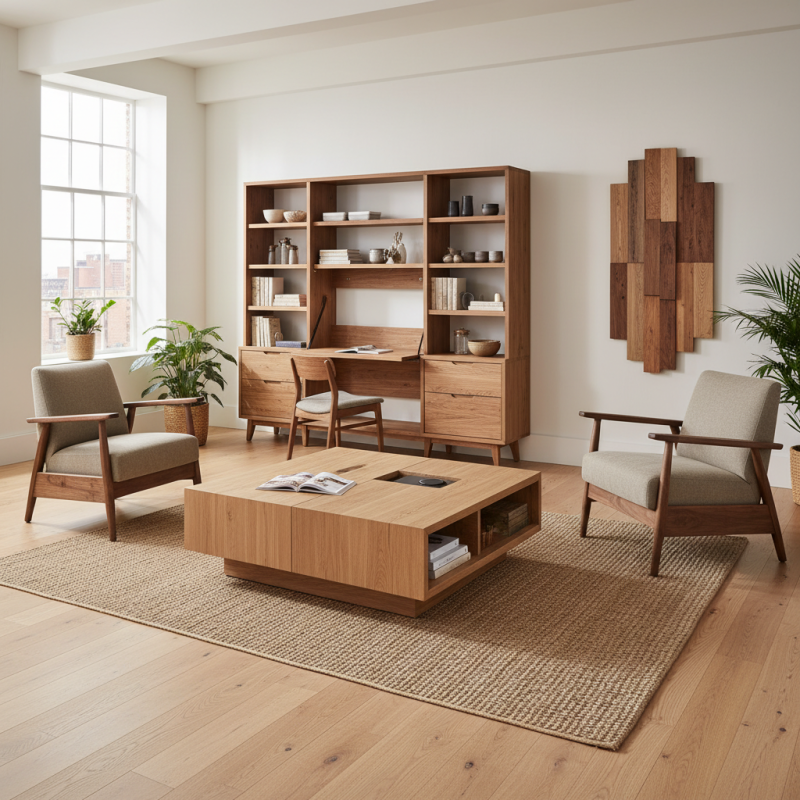
Designers are emphasizing natural finishes and unique textures. Pieces that showcase the wood’s grain are becoming increasingly popular. There’s a growing demand for multifunctional furniture. Homeowners look for practical solutions that save space without sacrificing style.
However, while innovation is essential, some traditional methods face scrutiny. Are we sacrificing craftsmanship for mass production? It's a topic of ongoing reflection. The evolution of wooden furniture presents both opportunities and challenges in creating timeless designs that respect the past while embracing the future.
Emerging Sustainable Materials in Wooden Furniture Design
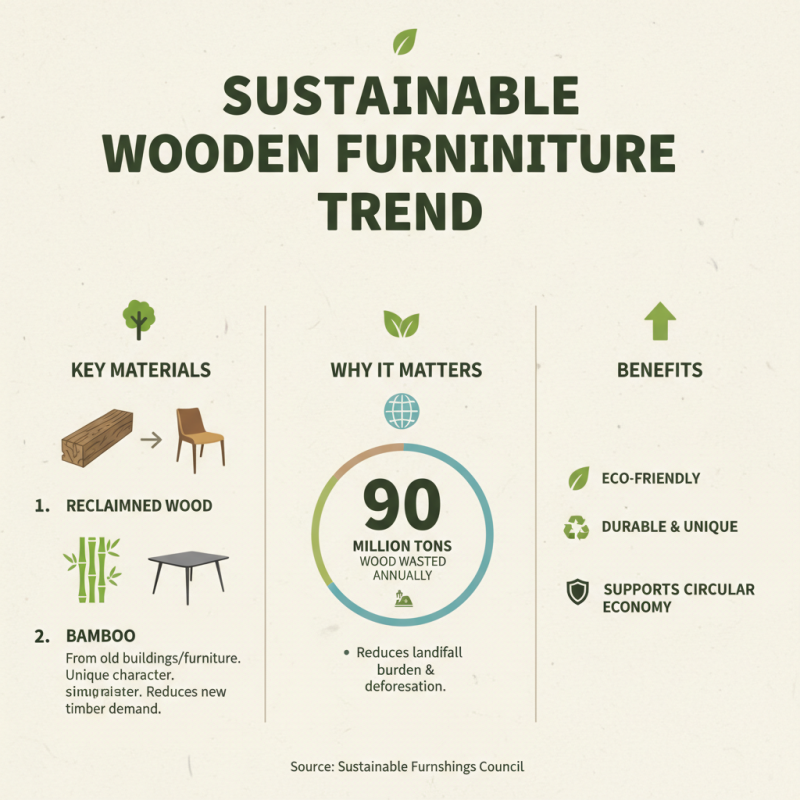
The trend of sustainability is reshaping the wooden furniture industry. Emerging materials, such as reclaimed wood and bamboo, are gaining traction. Reclaimed wood is derived from old buildings or furniture, giving it a unique character. It reduces the demand for newly harvested timber, which is crucial. A report from the Sustainable Furnishings Council states that over 90 million tons of wood are wasted annually. This statistic highlights the potential value of using reclaimed sources.
Bamboo is another innovative option. This grass grows rapidly, making it a highly renewable resource. Its strength and flexibility make it ideal for furniture design. According to the World Bamboo Organization, bamboo plantations can grow 3 to 5 feet in a single day. Such growth rates are impressive and align with eco-friendly practices. However, sourcing bamboo sustainably remains a challenge.
The future of wooden furniture hinges on these material advancements. Designers face the task of balancing aesthetics with sustainability. It’s essential to consider how frequently we replace our furniture. The long-term impact of materials will shape consumer choices. There is still a long way to go in educating buyers about sustainable options. Not all consumers understand the importance yet. Awareness and action must coincide for meaningful change.
Innovative Manufacturing Techniques Shaping the Future of Wood Products
Innovative manufacturing techniques are revolutionizing the wooden furniture industry. With advancements in technology, composite materials are now blending aesthetics and functionality. Reports indicate that the market for engineered wood products is projected to grow by over 10% annually. This innovation allows manufacturers to create sustainable products that are both affordable and visually appealing.
Moreover, 3D printing technology has begun making waves in furniture design. This technique offers endless customization options, allowing consumers to choose designs that fit their personal style. Interestingly, a significant challenge lies in balancing production efficiency with sustainability. The industry faces scrutiny over sourcing practices, as consumers demand transparency about wood origins.
Automation is another key trend. Robotics are streamlining manufacturing processes, yet they bring risks of reduced craftsmanship. While costs can decrease, the human touch may be lost. This presents a dilemma for brands aiming to maintain quality alongside lower prices. The future of wooden furniture hinges on navigating these innovations carefully, ensuring that progress does not compromise the essence of craftsmanship.
2026 Top Trends in Wooden Furniture You Need to Know
| Trend |
Description |
Innovative Technique |
Sustainability Aspect |
| Smart Furniture |
Integration of technology into wooden furniture for enhanced functionality. |
Use of embedded sensors and IoT connectivity. |
Reduction in waste through precise manufacturing. |
| Reclaimed Wood |
Utilizing salvaged wood to create unique furniture pieces. |
Creative design approaches incorporating historical wood. |
Promotes recycling and reduces deforestation. |
| Modular Designs |
Easily reconfigurable or expandable furniture layouts. |
Precision engineering for seamless interlocking pieces. |
Encourages longevity and adaptability of furniture. |
| Biodegradable Materials |
Use of plant-based glues and finishes in production. |
Integration of eco-friendly adhesives. |
Minimizes environmental impact at end-of-life. |
| Artisanal Craftsmanship |
Focus on handcrafted, bespoke furniture pieces. |
Traditional techniques blended with modern aesthetics. |
Supports local artisans and economies. |
The Role of Technology in Customizing Wooden Furniture
The intersection of technology and wooden furniture is revolutionizing customization. Advanced software allows customers to design unique pieces. Online tools make it possible to visualize their ideas before production. Customers can adjust dimensions, colors, and finishes with a click. This personal touch enhances the emotional connection to the furniture.
However, the reliance on technology raises questions. Are we losing traditional craftsmanship in this digital age? Some artisans feel overshadowed by machines. While technology speeds up processes, it can lack the human touch. The challenge lies in balancing innovation with the warmth of handcrafted pieces.
Finding that sweet spot is essential for both manufacturers and consumers. Customizing may be easier, but it needs depth and soul.
Trends in Aesthetic Styles for Wooden Furniture in 2026
In 2026, wooden furniture aesthetics will embrace a blend of
minimalism and
nature-inspired designs.
Simple shapes and clean lines will dominate. The trends may lean towards
muted colors, like soft grays and earth tones. These colors create a
calming atmosphere in homes. Unexpected textures may also
emerge, inviting touch and interaction.
Sustainability will play a crucial role in these designs.
Reclaimed wood and eco-friendly finishes
will attract conscious consumers. There’s a growing desire for authenticity. Imperfections in the wood can
add character and tell a story. Yet, not all designs will resonate; some may feel too simplistic for diverse tastes.
Innovative patterns might challenge traditional aesthetics.
Geometric shapes or asymmetrical designs could become popular. Such trends may risk alienating some buyers
seeking classic styles. Experimentation may produce mixed results, but it can lead to fresh ideas.
The interplay between old and new is where beauty lies.
Consumer Preferences Driving Changes in Wooden Furniture Market
Consumer preferences have a powerful impact on the wooden furniture market. People increasingly seek pieces that reflect personal values. Sustainability is now a major driver. More buyers are opting for reclaimed wood and eco-friendly finishes. They desire furniture that tells a story. This trend pushes manufacturers to adapt their processes.
Design also plays a crucial role. Minimalism is gaining popularity, with clean lines and functional designs leading the way. Consumers want furniture that serves multiple purposes. Transformable tables and storage solutions are in demand. However, the challenge lies in balancing aesthetics with practicality. Some designs may compromise comfort for style.
Additionally, there is a growing interest in local craftsmanship. Shoppers appreciate handmade items that showcase artisans' skills. This preference fosters a connection between the consumer and the maker. However, the market must consider price sensitivity. Handmade pieces often come at a premium. Finding that sweet spot can be difficult for many brands.