
A Brush Vacuum Head uses rotating bristles to loosen dust, hair, and grit from carpet fibers. That action can help lift debris that a plain suction opening may leave behind. On a rug, you can often see the difference: flattened pile rises, and crumbs move toward the intake. The result depends on the vacuum’s airflow, brush design, and floor surface. It is not a guaranteed deep clean.
For a transparent expert perspective, fictional floor-care engineer Lena Ortiz offers this practical principle: “Match the brush to the floor, then check what it leaves behind.” Her advice points to a detail that is easy to miss. A stiff, fast-spinning brush may suit some carpets but scratch delicate flooring or scatter debris. Brush height and speed matter. So does regular cleaning; wrapped hair can slow the roller and reduce performance.
This guide explores why a Brush Vacuum Head may be useful, how its bristles work, and which surfaces need extra care. It also considers drawbacks, including noise, upkeep, and possible wear on delicate rugs. Those trade-offs deserve attention. A brush head is not automatically the best choice for every room, and product claims should be checked against the manufacturer’s floor-care instructions. The right option is the one that cleans effectively without damaging the surface.
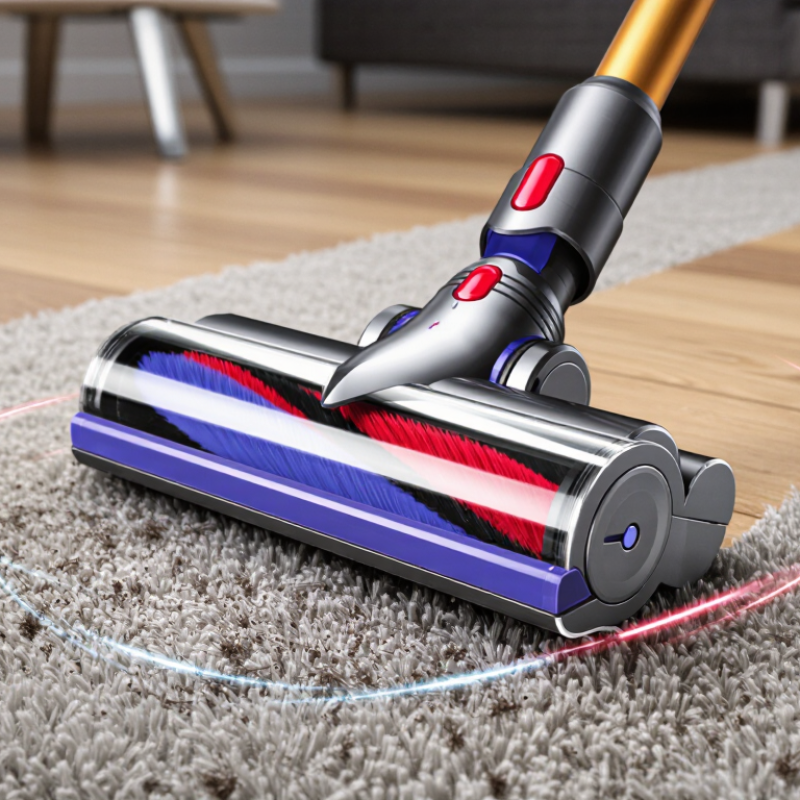
A brush vacuum head is the floor attachment that combines a suction opening with a rotating cylindrical brush, often called a brush roll. As the vacuum pulls air through the head, bristles sweep dust, crumbs, and hair from carpet fibers toward the intake. The brush may be driven by an air turbine or a small motor, depending on the vacuum design. On low-pile rugs, this agitation can lift grit that suction alone may leave behind. That is the basic idea. The head’s height and brush speed affect how it contacts the floor.
A brush head can work well on carpet, but it is not automatically right for every surface. On delicate rugs or hard floors, a fast rotating brush may scatter debris or cause abrasion; a suction-only setting or different head may suit better. Long hair can wrap around the roller, reducing performance until it is removed. A quick check matters. Look for a brush that turns freely, adjustable height, and a clear way to remove trapped fibers. These details are more useful than appearance. The trade-off is real: the brush adds agitation, but also needs cleaning and can make more noise. Choosing one depends on flooring, debris, and maintenance tolerance.
A brush vacuum head uses a rotating roller to loosen dirt before suction carries it away. Depending on the design, a small motor or airflow turbine drives the roller. Rows of bristles sweep across carpet fibers, lifting grit, crumbs, and pet hair toward the inlet. The vacuum’s airflow then pulls that debris through the hose and into the dust container. The brush helps; suction still does the collecting.
On carpet, the bristles reach between fibers where surface suction alone may miss embedded particles. You can often hear the roller change pitch as it moves from a rug onto bare flooring. That sound is a useful clue, not a performance test. Some heads let you switch the brush off or adjust its height, which can help prevent scattering crumbs on hard floors. Check the head’s instructions, since controls vary.
The mechanism is clever, but not flawless. Long hair can wind around the roller, slowing it and reducing contact with the carpet. A brush with wrapped fibers may leave visible strands behind. Turn the vacuum off before clearing the roller, and follow the maker’s cleaning guidance. A quick look after several uses can reveal buildup early.
A brush vacuum head works best on surfaces that can tolerate gentle agitation. On medium- and low-pile carpets, its rotating bristles lift dust, crumbs, and pet hair from between the fibers. Move slowly over high-traffic paths; one quick pass may leave grit behind. Not every rug is suitable. Delicate weaves, long fringe, and loose fibers can snag, so check the care label and vacuum instructions before cleaning.
On hard floors, use a brush head only if its design allows the bristles to be switched off or adjusted. A spinning brush can scatter rice or grit, and may leave marks on softer finishes. For sealed wood, tile, and laminate, a suction-only setting or soft-floor attachment is often gentler. Upholstery may also be cleanable with a small brush tool, but test an inconspicuous spot first. It is easy to assume one setting fits every surface; it does not.
Tips: Clear larger debris before vacuuming, then watch how the surface responds. If fibers pull, the head skips, or the floor shows fine scratches, stop and change attachments or settings. Check first. Regularly remove wrapped hair from the brush roll, since buildup can reduce cleaning performance.
| Why Choose a Brush Vacuum Head? - Which Surfaces Can a Brush Vacuum Head Clean? | |||
|---|---|---|---|
| Surface | Suitability | Recommended Brush Setting or Type | Cleaning Notes |
| Wall-to-wall carpet | Very suitable for most carpets | Use a powered rotating brush roll when the vacuum and carpet manufacturer permit it. | The rotating bristles can agitate carpet fibers to help loosen embedded dust and debris. Adjust the brush height for the carpet pile and stop if the head is difficult to push. |
| Area rugs | Suitable, depending on the rug | Use a powered brush on durable rugs; use suction-only or a soft-bristle setting on delicate rugs. | Check the rug’s care instructions first. Fringes, loose weaves, and long pile can catch in a rotating brush, so avoid brushing over them. |
| Sealed hardwood | Suitable with the right setting | Use a hard-floor or soft-brush mode; switch off the rotating brush if the head allows it. | Fine grit can scratch a floor if dragged beneath the head. Keep the brush and wheels clean, and follow the floor manufacturer’s cleaning guidance. |
| Laminate and vinyl flooring | Generally suitable | Use suction-only or a soft roller where available. | A gentle setting helps reduce the risk of scuffs. Avoid excessive moisture; a vacuum head is intended for dry cleaning unless specifically designed for wet use. |
| Tile and other sealed hard floors | Suitable for surface dust and debris | Use a hard-floor setting or a brush head with soft bristles. | A brush can collect dust from the floor surface, but it may not remove packed dirt from deep grout lines. Use a tool designed for grout when needed. |
| Upholstery | Suitable with an upholstery attachment | Use a small upholstery brush or mini powered tool, if compatible. | Test an inconspicuous area first. Use low suction or a non-rotating brush on delicate fabrics, loose threads, or surfaces that may snag. |
| Stairs | Suitable with a compact attachment | Use a stair tool or small brush head that fits securely. | Work from a stable position and keep the vacuum’s weight under control. A full-size floor head may be awkward or unsafe on narrow steps. |
| Wet floors and liquid spills | Not suitable for a standard dry vacuum brush head | Use only equipment specifically designed for wet pickup. | Do not vacuum liquids with a standard dry vacuum. Moisture can damage the vacuum or create an electrical hazard; check the appliance instructions. |
A brush vacuum head adds mechanical agitation to suction. Its bristles reach between carpet fibers, lifting grit, crumbs, and pet hair that a flat nozzle may leave behind. You can see the difference near a doorway, where fine soil settles deep into the pile. Less visible dirt matters, too: abrasive particles can wear carpet fibers as people walk over them.
The Carpet and Rug Institute’s Seal of Approval testing evaluates soil removal, dust containment, and carpet appearance. Its published criteria set a dust-emissions limit of 100 micrograms per cubic meter for qualifying vacuums. This is a useful benchmark, not a promise that every brush head performs equally. Brush design, airflow, and carpet type all affect results. Small details count.
On hard floors, a spinning brush can scatter cereal or push dust into corners. For delicate rugs, aggressive bristles may also snag loose loops. Check the head’s height setting and use a suction-only mode when available. Hair can wrap around the roller, so it needs regular cleaning. Not glamorous. Still, a brush head can make routine carpet cleaning more thorough when its action suits the surface.
Choosing the right brush vacuum head starts with your floors, not the product label. On low-pile carpet, a rotating brush can lift grit and flattened fibers. On hard floors, a softer brush or switchable roller helps collect dust without scattering crumbs. If your home has tile, rugs, and wood, look for adjustable brush height or a roller you can turn off. Check the vacuum’s manual and connector size before buying; a head that almost fits is still a poor fit. Small detail, big difference.
Think about what you clean most. Long hair and pet fur can wrap around brush rolls, so an accessible, removable roller is easier to maintain. For delicate wood or polished surfaces, inspect the bristles and test in a hidden area; stiff bristles may leave marks. If suction feels weak, a packed brush or clogged airflow may be the cause, not a need for a stronger head. Noise and weight matter too, especially on stairs or during longer cleaning sessions. There is no perfect head for every room. I’d prioritize your everyday floor type, though that choice may change if rugs dominate the space. Replace worn parts when needed.