Why Choose a Car Rooftop Tent?
Why choose a Car Rooftop Tent? For travelers who want a simple place to sleep without packing a ground tent, it can make overnight stops feel more flexible. Your bed stays above damp grass, mud, and small stones. Setup may also be quicker once the tent is mounted and familiar. Still, convenience depends on the vehicle, the rack, and the traveler.
A useful choice begins with practical checks, not glossy photos. Verify your vehicle and rack limits, and follow the tent maker’s guidance for occupied use. Consider how often you will drive with the tent mounted, since added height can affect clearance and fuel use. At camp, secure mounting points, a stable ladder, and suitable weather conditions matter. Small details count. A wet zipper or cramped sleeping space can change the whole night.
A Car Rooftop Tent may suit road trips, weekend escapes, and campsites where level ground is hard to find. It is not automatically better than a ground tent. The cost, lifting effort, storage needs, and ladder access deserve honest thought. Some travelers enjoy the raised view; others miss leaving camp set up while driving away. That trade-off is real. This guide explores why people choose rooftop camping, what to inspect before buying, and where the setup can feel less convenient. The best option fits your vehicle and habits—not just the sunset photo.
What Is a Car Rooftop Tent?
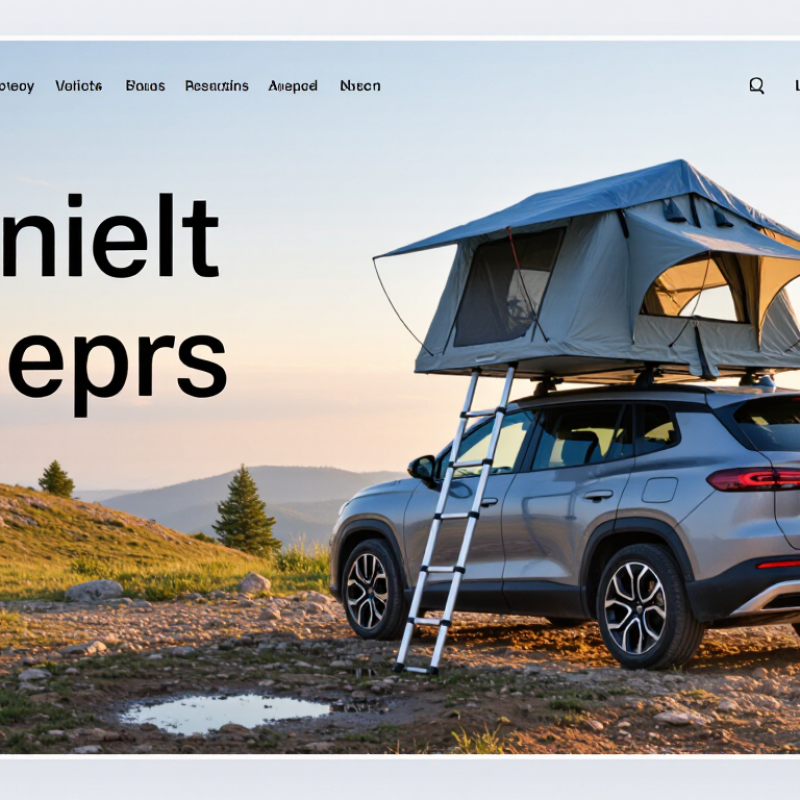
A car rooftop tent is a portable shelter that attaches to a vehicle’s roof rack. When closed, it usually folds into a weather-resistant cover or hard shell. At camp, it opens into a raised sleeping space with fabric walls, a floor, and a mattress. A ladder provides access. That changes camp. Instead of searching for flat, dry ground, you sleep above it. Sounds simple.
The tent’s weight and mounting system must suit the vehicle and rack. Check the rack’s permitted load while driving, not just its parked load; these figures can differ. Even a sturdy-looking setup needs secure, correctly fitted mounts. Inside, space is compact, and bedding may need to stay in place when the tent closes. On a damp morning, moisture can collect inside, so ventilation matters. A rooftop tent also adds height and weight, which can affect handling and access to low-clearance areas. It is convenient, but not effortless. Before a longer trip, practice opening and closing it at home, ideally in changing weather. A few minutes of practice can reveal awkward straps or a ladder angle that feels less obvious at camp.
Why Choose a Car Rooftop Tent?
A car rooftop tent is a tent mounted on a vehicle’s roof rack, creating an elevated sleeping space. This checklist shows its typical defining features.
Values are categorical: 1 means the feature is typical; 0 means it is not. Vehicle and roof-rack load limits vary, so check the vehicle and rack specifications before installation.
How Rooftop Tents Differ from Ground Tents
Why Choose a Car Rooftop Tent?
How Rooftop Tents Differ from Ground Tents
A rooftop tent lifts your sleeping space above the ground, while a ground tent sits directly on the campsite surface. That difference affects setup, comfort, and where you can camp. Rooftop tents usually unfold from the vehicle, keeping bedding off damp soil and small stones. That matters. But climbing a ladder at night can feel awkward, especially for children or anyone with limited mobility.
Ground tents offer more freedom in choosing a level spot. They can also provide extra room for changing clothes or storing muddy boots. Their setup may take longer, and finding flat ground is not always easy. Not always. Rooftop tents reduce that search, but they require a suitable vehicle and careful attention to roof-load limits. Check the vehicle and tent instructions before adding people or gear.
The practical trade-off becomes clearer in bad weather. A raised tent may avoid puddles, yet wind can feel stronger above the ground. A ground tent can be sheltered behind trees, though nearby branches and uneven soil deserve attention. Think about access, too: leaving camp usually means packing a rooftop tent away, while a ground tent can stay put. A wet ladder beside the car is a small detail, but one worth considering.
Key Benefits for Travel and Camping
Why Choose a Car Rooftop Tent?
Key Benefits for Travel and Camping
A car rooftop tent gives travelers a ready-made sleeping space above the ground. It can keep bedding away from damp soil, muddy shoes, and small puddles after overnight rain. Many designs open faster than pitching a ground tent, which is useful when arriving at camp near dusk. Pack a headlamp, then check the ladder and nearby ground before climbing in. Small routines help.
Sleeping off the ground can also make uneven campsites feel more manageable. You may have fewer concerns about rocks beneath your sleeping mat, though a level parking spot still matters. Before buying or loading a tent, check your vehicle’s roof-load limits and the tent’s weight requirements; limits can differ while driving and when parked. Follow the vehicle and tent makers’ instructions. In windy weather, listen for fabric movement and secure closures before bed. There are trade-offs: a rooftop tent adds height, affects storage, and may not suit every vehicle or campsite. Practice opening and closing it at home first. It can feel awkward at the beginning. A short trial helps reveal what gear you actually need.
Why Choose a Car Rooftop Tent? - Key Benefits for Travel and Camping
| Travel or Camping Dimension | Key Benefit | What It Means in Practice | Planning Consideration |
| Sleeping setup | A ready-made sleeping space | Many rooftop tents fold out from a travel position into a raised sleeping area, so there is no ground tent to pitch separately. | Setup and pack-down time varies by tent design, vehicle, and weather. Practise before a trip. |
| Sleeping location | Elevated off the ground | The sleeping area is above the campsite surface, which can help avoid uneven, muddy, or damp ground. | Choose a level, permitted parking spot and check that the vehicle is secure before climbing in. |
| Use of campsite space | Keeps the ground area more open | Because the tent sits on the vehicle, the space beneath and around it can remain available for other campsite activities. | Follow campsite rules and leave enough room for safe access around the vehicle. |
| Road-trip convenience | Sleeping gear travels with the vehicle | A rooftop tent can make overnight stops more straightforward when the vehicle is parked somewhere camping is allowed. | Some tent setups limit access to the vehicle while deployed. Plan errands and overnight parking accordingly. |
| Vehicle and roof compatibility | Can turn a suitable vehicle into a camping setup | Rooftop tents are used with a range of vehicles, provided the vehicle, roof system, and tent are compatible. | Check the vehicle and roof-rack manufacturer’s load limits and installation guidance. Dynamic and static load ratings are different. |
| Weather and exposure | A raised shelter with an enclosed sleeping area | The tent fabric and construction provide shelter from typical outdoor conditions when used as directed. | Wind, rain, temperature, and ventilation performance vary by design. Use the tent within its stated limits and secure it properly. |
| Driving and storage | Camping equipment stays mounted between trips | Keeping a tent on the roof can reduce the need to store and load a separate ground tent for each outing. | A roof-mounted tent adds weight and height and can increase aerodynamic drag, potentially affecting fuel or energy use. Check vehicle height before driving or entering garages. |
Before you travel: Confirm vehicle, roof-rack, and tent compatibility; follow all load and installation instructions; and camp only where overnight vehicle parking is permitted.
Vehicle Compatibility and Setup Requirements
A rooftop tent can fit your vehicle only when the roof system supports it. Check the vehicle manual for roof-load limits, then confirm the rack’s capacity and the tent’s weight. These figures are not interchangeable. Dynamic limits apply while driving; parked loads involve different conditions and should follow the vehicle and rack manufacturers’ guidance. When uncertain, ask a qualified installer.
Measure the crossbar spacing and roof width before buying. Some tents need specific bar positions, while others may obstruct a hatch or sit too close to an antenna. Leave room for doors to open, and consider garages, low branches, and parking structures. Small details matter. A quick driveway test can reveal awkward access before a trip.
Installation usually takes two people, a stable step stool, and the correct tools. Tighten the mounting hardware to the specified torque, then recheck it after the first drive. Practice opening and closing the tent at home. It may take longer than expected, especially in wind or fading light. I would not assume a level campsite; uneven ground can make entry uncomfortable, so check the parking surface before setting up.
Practical Limitations and Safety Considerations
A rooftop tent saves packing space, but it adds weight high above the vehicle and changes how it handles. The American Automobile Association’s 2015 highway test found that a roof cargo box reduced fuel economy by about 25% at 65 mph. A tent is not a cargo box, so that figure is not a direct prediction; its height and fabric can still increase wind resistance. Expect more fuel use and stronger effects from crosswinds.
Check the vehicle manual for its permitted moving roof load, including the tent and mounting hardware. Do not confuse that limit with a parked, static load rating. Extra roof weight can affect braking, cornering, and stability, especially during a sudden lane change. Park on firm, nearly level ground, and avoid opening the tent in strong gusts. The ladder should sit securely, not on loose gravel or a sloping edge.
That matters. The weak point is often the rushed last check: recheck fasteners before driving, and inspect them again after rough roads. A tent may feel solid while parked; that alone does not prove the setup is safe in motion.
