Why Choose Fitness Tracker Watches for Global Buyers?
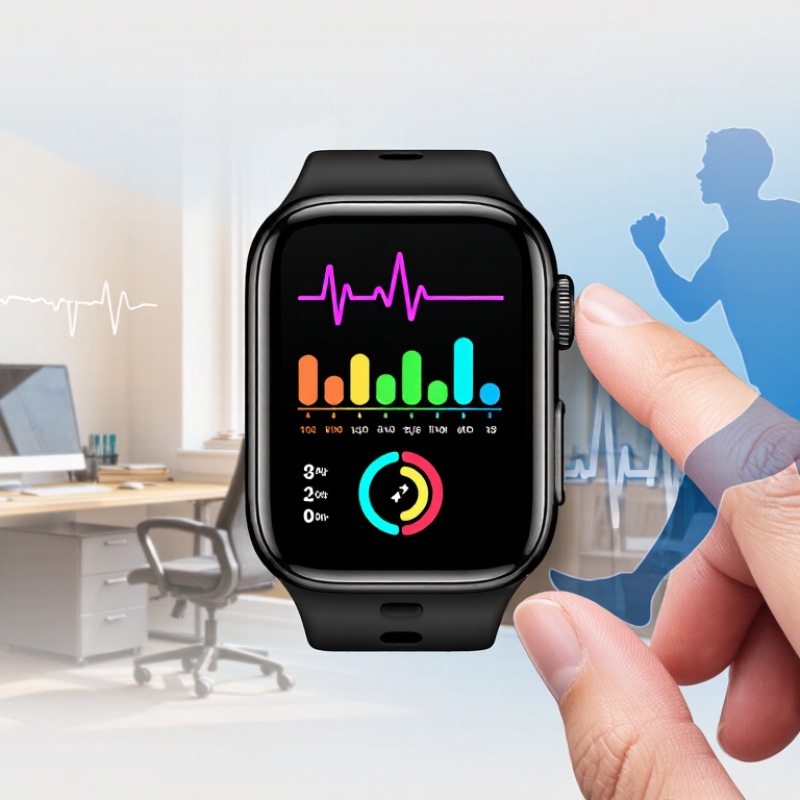
Fitness Tracker Watches have become practical tools for global buyers seeking clearer daily health insights. They can record steps, heart rate, sleep patterns, workouts, and estimated calories in one compact device. A watch on the wrist may show changing heart-rate zones during a morning run. It may also remind an office worker to stand after long periods of sitting. These details can make personal routines easier to understand and adjust.
However, no tracker is perfect. Results can vary with skin contact, movement, body type, and software design. Sleep data is often an estimate, not a clinical diagnosis. Buyers should examine sensor descriptions, battery performance, water resistance, app compatibility, and independent testing before making a decision. Regional language support and privacy policies also matter, especially when health-related data crosses borders. A reliable brand should explain its measurement methods and limitations clearly. That transparency reflects professional responsibility.
The best choice depends on personal needs.
A marathon runner may value GPS accuracy and training metrics. A busy traveler may prefer long battery life and simple charging. A first-time user might need readable screens and straightforward health reminders. Price alone can mislead. A cheaper model may require frequent charging or offer limited app support. An expensive model may include features that remain unused. Global buyers should compare real experiences, verified specifications, and after-sales service in their region. Careful selection helps Fitness Tracker Watches become useful companions rather than attractive gadgets that soon lose their place in daily life.
What Are Fitness Tracker Watches?
Fitness tracker watches are wrist-worn devices that record selected body and activity signals. They commonly measure steps, distance, heart rate, sleep duration, and workout time. Some models also estimate blood oxygen or recovery levels. These readings come from optical sensors, accelerometers, and software algorithms. They are useful indicators, not medical diagnoses.
The American College of Sports Medicine ranked wearable technology first in its 2024 Worldwide Survey of Fitness Trends. This reflects growing demand from gyms, coaches, and everyday users. IDC reported that global wearable device shipments reached 537.6 million units in 2024, an 11.7% annual increase. The figures suggest broad adoption across different markets and lifestyles. A watch can quietly count steps during a commute or display heart-rate changes during a steep climb.
Still, the numbers are not perfect. Wrist movement, loose straps, darker environments, and intense exercise may affect readings. Sleep scores can also look precise while hiding complex assumptions. I would not treat one unusual result as a health warning. Buyers should check sensor limitations, data storage practices, language support, battery life, and local service availability. Small details matter. The most helpful tracker is usually the one a person wears consistently, understands clearly, and questions when its results seem unrealistic.
How Fitness Tracker Watches Measure Health and Activity
Fitness tracker watches estimate health through several sensors, not a single measurement. An accelerometer detects wrist movement, while a gyroscope helps identify exercise patterns. Optical sensors shine light into the skin and estimate pulse from blood-flow changes. GPS adds distance and pace during outdoor walks or runs. Algorithms combine these signals with age, sex, height, and recorded activity. Small errors remain. A loose strap, cold skin, or irregular movement can weaken readings.
The World Health Organization’s 2020 physical activity guidelines recommend 150–300 minutes of moderate activity weekly, or 75–150 minutes of vigorous activity. A watch can translate this target into visible minutes, steps, heart-rate zones, and weekly trends. The numbers support behavior, not diagnosis. A 2017 Stanford Medicine study, published in the Journal of Personalized Medicine, found heart-rate estimates were usually within 5%. Calorie estimates, however, missed by at least 20% across tested devices. That difference matters when users plan food or training.
For global buyers, measurement quality should matter more than a crowded feature list. Look for documented sensor methods, adjustable fit, GPS performance, and clear privacy controls. Check whether sleep and heart-rate functions suit the intended population. Night data may show a neat graph. One restless evening proves little. Use repeated trends. Compare them with manual pulse checks and perceived effort. The watch can guide decisions, but it cannot replace clinical assessment when symptoms appear.
Which Features Matter to Global Buyers?
Global buyers often choose fitness tracker watches for practical, everyday health insights. The most important feature is reliable tracking, not a crowded display. A useful watch should measure steps, heart rate, sleep, and workout duration consistently. GPS matters for runners, cyclists, and travelers who exercise outdoors. However, location accuracy can change near tall buildings, forests, or heavy rain.
Battery life also affects real-world value. A watch lasting several days reduces charging interruptions during travel. Clear menus and adjustable language settings help users in different regions. Support for local time zones is equally important. Water resistance can protect the device during swimming or sudden showers, but buyers should check its tested rating carefully. “Waterproof” is often used too loosely.
Privacy deserves close attention. Buyers should review data permissions, account policies, and storage practices before connecting the watch. Compatibility with common phones and reliable application updates can prevent frustrating setup problems. In practical testing, comfort is easy to overlook; a stiff strap may discourage daily use. I once considered sensor variety more important than fit, but that judgment was incomplete. A lighter watch with fewer features may produce better long-term results because people keep wearing it. No tracker is perfect. Readings should support personal decisions, not replace professional medical advice.
Why Choose Fitness Tracker Watches for Global Buyers?
Which Features Matter Most to Global Buyers?
Battery life, health monitoring, measurement accuracy, smartphone compatibility, GPS functionality, and water resistance are practical priorities for buyers in different markets. The index uses a 100-point editorial benchmark to compare feature importance without using company or brand data.
How Fitness Tracker Watches Fit Different Lifestyles
Fitness tracker watches suit different routines because their value depends on daily context. A commuter may use step counts, route tracking, and vibration alerts between crowded trains. A runner may need pace, distance, heart-rate trends, and recovery guidance. Shift workers often benefit from sleep timing records, although changing schedules can confuse automated sleep analysis.
The American College of Sports Medicine ranked wearable technology among the leading fitness trends in its 2024 Worldwide Survey. IDC reported 520.5 million wearable devices shipped globally in 2023. These figures suggest strong demand, but popularity does not guarantee accuracy. A watch should support practical decisions, not replace medical advice. For older users, large numbers and simple alerts may matter more than advanced training metrics. For travelers, long battery life and offline tracking can be more useful than constant notifications.
I have found that small prompts work better than dramatic targets. A quiet reminder can encourage a ten-minute walk after desk work. However, constant measurement may create pressure. That part deserves reflection. Sensors can also misread movement, loose straps, or irregular sleep. Users should compare trends over time, check device settings, and question unusual readings. Fitness tracker watches fit lifestyles best when their features match real habits, available time, and personal comfort.
What Should Buyers Check Before Choosing a Model?
Why Choose Fitness Tracker Watches for Global Buyers?
Before choosing a fitness tracker watch, buyers should check measurement quality, not only appearance. IDC’s Worldwide Quarterly Wearable Device Tracker reported more than 500 million wearable devices shipped globally in 2023. That scale shows strong demand, but popularity does not guarantee accuracy. Compare heart-rate readings during walking, cycling, and rest. GPS stability also matters in crowded streets or tall buildings. Small errors can change your training decisions.
Check compatibility carefully. Confirm support for your phone’s operating system, local language, time zone, and payment services. Battery life should match your routine. A device lasting five days may suit travelers better than one requiring nightly charging. Review water-resistance instructions, especially for swimming. Do not assume “waterproof” means suitable for every activity.
Privacy deserves equal attention. Deloitte’s 2024 Connected Consumer Survey found that connected-device users remain concerned about personal data security. Read the data policy, storage location, deletion process, and sharing permissions. Health features may support personal tracking, but they are not medical diagnoses. Look for recognized testing evidence instead of impressive advertising. Independent reviews help, although they can miss long-term battery decline. I would also check warranty coverage, repair options, charging compatibility, and regional customer support. A cheaper model can become expensive after one unavailable replacement charger.
