What is Wood Furniture and Why is it Popular?
Wood furniture has captivated consumers for generations, blending beauty with utility. According to the International Furniture Fair 2022, wood furniture accounts for over 60% of the global furniture market. This preference stems from the elegance and warmth that wood provides to homes. Its natural grain patterns and textures make each piece unique, appealing to various design aesthetics.
However, not all wood furniture is created equal. Many consumers overlook the sustainability aspect of wood sourcing. Reports indicate that approximately 70% of wood used in furniture production comes from unsustainable forestry practices. This raises ethical concerns among environmentally-conscious buyers. As the demand for wood furniture grows, manufacturers must prioritize eco-friendly materials and sustainable practices.
While wood furniture is often seen as a timeless choice, durability varies. Some inexpensive options can wear down quickly, leading to buyer regret. Investing in high-quality wood pieces is crucial for long-term satisfaction. The allure of wood furniture lies not only in its visual appeal but also in the ongoing dialogue about sustainability and quality.
What Defines Wood Furniture: Materials and Types Explained
Wood furniture includes items made from various types of timber. This furniture is known for its durability and aesthetic appeal. Common materials used are oak, walnut, and pine. Each type of wood has unique characteristics, affecting the final product's look and functionality.
Oak, for example, is robust and resistant to wear. It boasts a beautiful grain that enhances its visual appeal. Pine, on the other hand, is softer and often more affordable. It is easier to work with, making it popular for DIY projects. The choice of wood plays a crucial role in furniture quality.
**Tips:** When selecting wood furniture, consider its intended use. Softer woods may dent easily in high-traffic areas. Researching wood types can inform better choices. Remember, some woods require regular maintenance to preserve their beauty.
Knowing the right type of wood can save time and money. Be cautious of cheaper options that may not last long. Authentic wood often tells a story through its imperfections. Craftsmanship is essential in creating furniture that endures. Each piece reflects individual taste and serves a purpose.
Historical Significance of Wood Furniture in Various Cultures
Wood furniture has been a significant part of human culture for centuries. In various societies, it represented wealth and craftsmanship.
Ancient Egyptians crafted intricately carved wooden pieces for their pharaohs, symbolizing power and luxury. In China, wood furniture of jade and lacquered designs showcased skill and artistry.
These pieces often told stories of the dynasties and traditions.
Throughout history, wood has held diverse meanings. In Europe, the Gothic period saw the emergence of heavy, ornate wooden furniture, reflecting the era's architectural style.
This furniture was often a centerpiece in homes, connecting families. However, not all wood furniture pieces have stood the test of time.
Many were ignored or abandoned, symbolizing changing trends and shifting values.
Indigenous cultures also embraced wood in their furniture-making. They used local materials to create functional pieces with deep cultural ties.
Yet, many of these traditions are at risk of fading. As globalization spreads, unique styles may vanish.
It raises questions about cultural preservation and the value we place on craftsmanship.
Wood furniture reminds us of our shared history, urging us to reflect on what we may lose.
Market Trends: Wood Furniture's Rising Popularity and Consumer Preferences
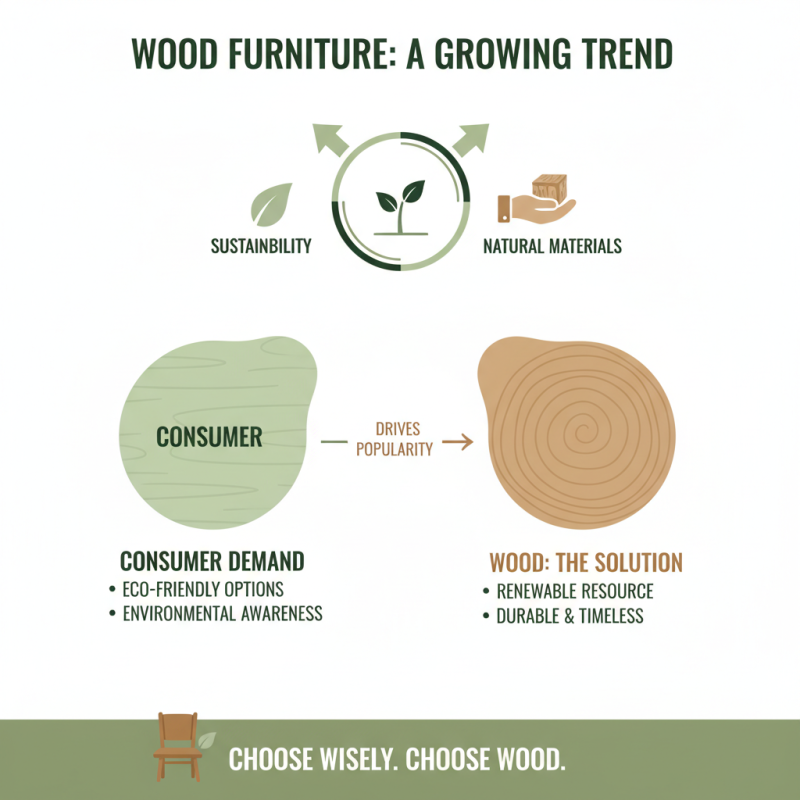
Wood furniture has become increasingly popular in recent years. This trend is driven by consumer preferences for sustainability and natural materials. Many people now seek eco-friendly options as they become more aware of environmental issues. Wood, being a renewable resource, fits this demand perfectly.
Consumers are also drawn to the unique beauty of wood. Each piece carries distinct grains and textures, making every item one-of-a-kind. This individuality adds character to homes. Additionally, wood furniture can be more durable compared to synthetic alternatives. A well-crafted wooden table can last for generations, offering both functionality and style.
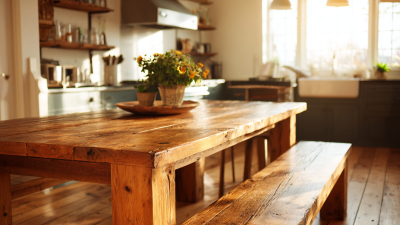
Tips: When selecting wood furniture, consider the type of wood. Hardwoods like oak and maple are known for their longevity. Think about finishes too; they can enhance or alter the natural look. Don’t be afraid to mix different styles; a rustic wood table can complement modern decor beautifully. Remember, imperfections can add charm. A few knots can tell a story. Embrace the uniqueness of wood, even with its flaws.
Sustainability in Wood Furniture: Certification and Eco-Friendly Practices
Wood furniture is appreciated for its durability and timeless appeal. However, the growing demand for sustainability has reshaped its production. More consumers now seek eco-friendly options. Certification plays a vital role in this process. It ensures that wood comes from sustainably managed forests. Third-party certifications help buyers trust the sourcing of their furniture.
To make eco-conscious choices, look for labels like FSC or PEFC. These certifications indicate responsible forestry practices.
When shopping, examine the furniture's finish. Natural finishes are often safer for the environment. They can contain fewer harmful chemicals than synthetic ones. Additionally, consider local artisans. They often use reclaimed wood or sustainably sourced materials. This not only supports local economies but also minimizes transportation impacts.
Sometimes, finding truly eco-friendly options can be challenging. Not every piece labeled sustainable meets all standards. Some manufacturers may exaggerate their commitment to the environment. Research is essential. Inspect materials and ask about sources. Be prepared to dig deeper than just labels to ensure your choices align with your values.
Durability and Longevity: Why Wood Furniture Is a Worthy Investment
Wood furniture stands out due to its durability and longevity. Unlike synthetic materials, wood can endure the test of time. With proper care, wood pieces can last for generations. This makes wood furniture a worthy investment for homes.
When choosing wood furniture, remember to consider maintenance. Regularly polish and clean your pieces. Avoid using harsh chemicals. Instead, opt for gentle cleaners. This simple act helps preserve wood. It enhances its natural beauty and shine.
Another important tip is to manage moisture levels. Too much humidity can warp wood over time. Place a dehumidifier in areas with high humidity. This protects your investment. Every small effort counts toward ensuring the longevity of your wood furniture.
Durability and Longevity of Wood Furniture
This chart illustrates the average lifespan and durability ratings of various types of wood furniture, highlighting why investing in wood furniture is a smart choice.