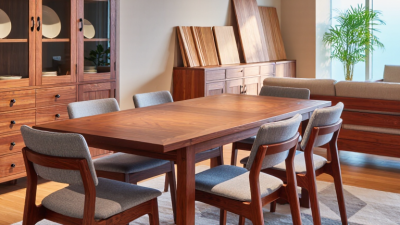
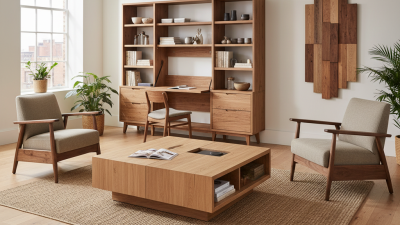
Choosing reliable hardwood furniture suppliers can shape the quality, cost, and reputation of a global furniture business. Buyers must look beyond polished catalogs and attractive showroom photos. Wood species, moisture control, joinery, finishing methods, and export experience all deserve careful review.
This guide introduces seven hardwood furniture suppliers serving international buyers. Each supplier is considered through practical criteria, including material traceability, production capacity, quality inspection, customization, packaging, and communication. A solid supplier should explain whether a table uses oak, walnut, teak, or engineered components. They should also provide clear dimensions, finish samples, lead times, and inspection procedures. Small details matter. A poorly protected corner can arrive damaged after a long sea journey.
Experience helps reveal problems that brochures often hide. For example, buyers should ask how timber is kiln-dried and how furniture is protected against humidity changes. Certifications may support credibility, but they should be verified rather than accepted blindly. Factory videos can help, although they never replace independent checks or product samples. This guide aims to provide balanced information for retailers, project buyers, and importers seeking dependable hardwood furniture partners. Some supplier strengths may be easier to confirm than others. That limitation deserves honest attention.
The right choice depends on your market, budget, design standards, and order volume. A premium hotel project needs different support from a small online store. Compare carefully. Ask specific questions. Then test the supplier with a manageable order before expanding cooperation.
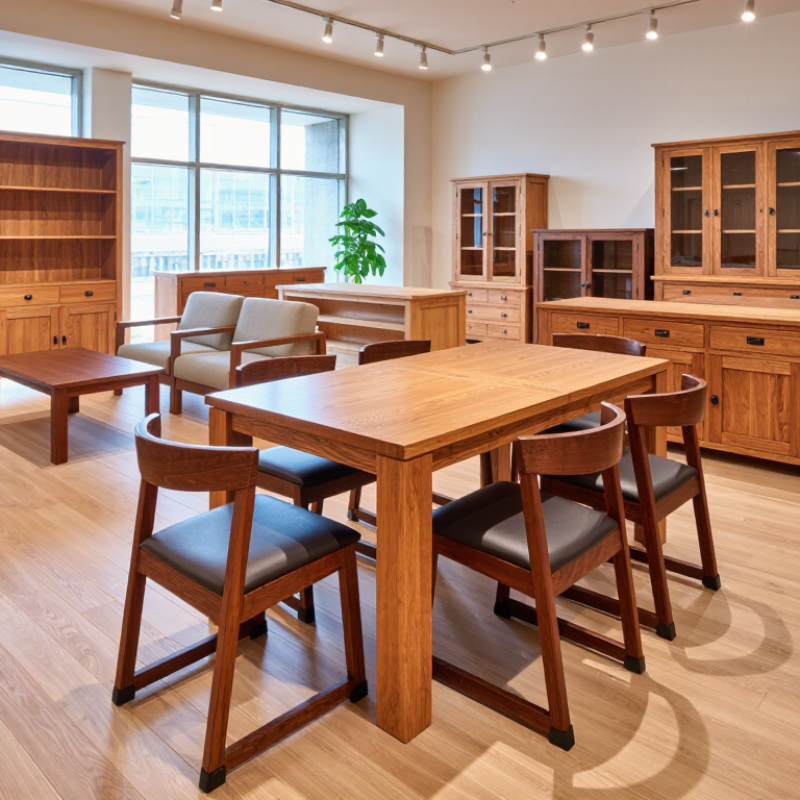
For global buyers, a suitable hardwood furniture supplier must offer more than attractive designs. Experience shows that timber quality becomes visible during long-distance shipping. Ask about species, kiln-drying temperatures, moisture content, and grain selection. Export-ready suppliers record these details for each batch. They should also explain where the wood comes from and provide traceability documents. Clear evidence matters more than confident promises. Small details matter.
Reliable suppliers use written inspection standards before production begins. These standards may cover joint strength, surface smoothness, finish adhesion, dimensions, and color tolerance. Request a sample, then compare it with mass-production controls. A strong supplier accepts reasonable third-party inspections and shares photographs from critical stages. Packaging also deserves attention. Corner protection, moisture barriers, carton testing, and container loading plans can prevent expensive damage. I have seen beautiful furniture arrive with crushed edges because packaging was treated as an afterthought.
Global suitability also depends on communication and compliance. The supplier should confirm wood regulations, labeling needs, product safety requirements, and import documents for the destination market. Response time is useful, but accurate answers are more important. Ask about production capacity, realistic lead times, spare parts, and claims handling. No supplier is flawless. Even experienced teams can miss a finish variation or misread a drawing. What matters is whether they document the error, correct it, and improve the process. A dependable partnership grows through transparent records, practical testing, and honest limits.
7 Best Hardwood Furniture Suppliers for Global Buyers
Global buyers should judge suppliers by evidence, not polished catalogs. CSIL’s 2024 World Furniture Outlook estimates global furniture consumption at over US$1.5 trillion. That scale increases the value of stable production and documented sourcing.
A kiln-dried oak supplier suits buyers needing consistent tables and cabinetry. Moisture readings near 8–12% can reduce indoor movement, though local climate still matters. A walnut workshop offers stronger custom joinery and richer grain selection. An ash specialist can provide lighter finishes and wider panel options. A reclaimed-timber supplier adds visible knots, old nail marks, and a lower virgin-material demand. It also requires stricter inspection.
A rubberwood producer may support circular sourcing by using plantation by-products. A hospitality-focused manufacturer often handles repeated chair orders and replacement parts. An export consolidator can combine mixed cartons, reducing shipment complexity for smaller buyers. These are practical strengths, not guarantees.
The FAO Global Forest Resources Assessment 2020 reports that 420 million hectares of forest were lost between 1990 and 2020. Buyers should request chain-of-custody records, species details, and harvest documentation.
The Forest Stewardship Council also stresses responsible forest management and traceability across certified supply chains.
Ask for moisture reports, finish specifications, packing photographs, and pre-shipment samples.
One weakness remains: supplier websites rarely show defect rates or late-delivery data. That gap deserves careful questioning.
7 Best Hardwood Furniture Suppliers for Global Buyers
The strongest suppliers usually serve seven niches: dining furniture, bedroom sets, office pieces, outdoor hardwood, custom projects, hospitality furniture, and small-space collections. During factory visits, I inspect timber storage before viewing polished products. Dry, covered boards reduce warping and surface cracks. Ask whether suppliers use kiln-dried oak, walnut, ash, rubberwood, or teak. Each species has different grain, hardness, color, and price behavior. Oak suits heavy tables, while walnut offers richer tones and a softer visual character. Product samples reveal more than catalog images.
Craftsmanship standards should be measurable. Check moisture content, joint accuracy, sanding quality, finish consistency, and hardware alignment. Mortise-and-tenon joints often support demanding furniture better than weak visual shortcuts. Request inspection records, packaging tests, and clear tolerance ranges. Reliable suppliers explain defects honestly and provide replacement procedures. That matters during long-distance shipping. Still, not every supplier with excellent samples maintains the same quality in mass production. I learned this after finding uneven drawer gaps in a larger shipment. A second inspection stage would have prevented the issue.
Tips: Compare identical specifications across suppliers. Confirm wood origin and treatment documents. Order a pre-production sample. Test color under natural light. Leave room for seasonal movement. Ask for photographs before packing. Never judge durability from weight alone. Fancy grain can hide poor construction. Keep communication written and specific.
| Supplier Profile | Primary Manufacturing Region | Key Product Categories | Common Hardwood Species | Typical Construction Methods | Craftsmanship Standards | Recommended Buyer Applications | Important Verification Points |
|---|---|---|---|---|---|---|---|
| Supplier Profile 01 | North America | Dining tables Bedroom furniture Occasional tables | White oak, red oak, hard maple, black walnut, cherry | Mortise-and-tenon joints, dowel joints, kiln-dried solid wood, floating-panel construction | High; emphasis on stable moisture content, precise joinery, and durable clear finishes | Residential interiors, hospitality projects, premium retail collections | Confirm kiln-drying records, moisture content, finish durability, and responsible forestry documentation |
| Supplier Profile 02 | Western Europe | Living-room furniture Cabinetry Dining collections | European oak, beech, ash, walnut, chestnut | Traditional frame construction, veneer matching, solid-wood edging, concealed hardware installation | High; strong focus on surface preparation, dimensional accuracy, and repairable construction | Design-led residential projects, boutique hotels, architectural interiors | Check applicable EU chemical and product-safety requirements, coating specifications, and packaging performance |
| Supplier Profile 03 | Central and Eastern Europe | Solid-wood chairs Tables Office furniture | Beech, oak, ash, birch, European walnut | Steam-bent components, dowel assembly, mortise-and-tenon frames, water-based finishing systems | High; suitable for repeated-use furniture when load testing and joint testing are documented | Contract seating, restaurants, offices, education and healthcare interiors | Request load-test reports, abrasion-resistance data, formaldehyde information, and fire-performance documents where required |
| Supplier Profile 04 | East and Southeast Asia | Bedroom sets Dining furniture Outdoor furniture | Rubberwood, acacia, teak, mango wood, mahogany-type plantation species | Finger-jointed panels, laminated components, dowel construction, outdoor mortise-and-tenon assembly | Medium to high; quality varies by factory control, seasoning process, and finishing specification | Volume programs, private-label collections, tropical and resort projects | Verify legal timber origin, plantation or forest certification, moisture control, fumigation, and container packing methods |
| Supplier Profile 05 | South Asia | Handcrafted tables Carved furniture Storage pieces | Sheesham, mango wood, acacia, teak, neem | Hand-cut joinery, turned components, carved details, reclaimed-wood assembly, brushed or distressed finishes | Craft-focused; distinctive handwork is common, while dimensional consistency must be checked carefully | Rustic interiors, artisan collections, hospitality accent furniture | Inspect sample-to-sample variation, wood movement allowances, finish consistency, pest treatment, and reclaimed-wood documentation |
| Supplier Profile 06 | Latin America | Dining furniture Occasional furniture Outdoor collections | Parota, teak, eucalyptus, cumaru, pine from managed plantations | Solid slabs, edge-glued panels, mortise-and-tenon joints, exterior-grade hardware, oil or UV-resistant finishes | Medium to high; strong potential for large-format pieces and outdoor applications when properly seasoned | Resort developments, outdoor living, contemporary residential projects | Confirm species identification, legal-harvest evidence, weathering performance, moisture limits, and export treatment requirements |
| Supplier Profile 07 | Oceania and Pacific Rim | Contemporary tables Built-in furniture Premium custom pieces | Australian blackwood, Tasmanian oak, spotted gum, jarrah, plantation eucalyptus | Precision machining, engineered solid-wood panels, concealed joinery, custom veneer or slab matching | High; valued for material traceability, refined detailing, and project-specific fabrication | Architectural interiors, premium residences, custom hospitality projects | Review species availability, chain-of-custody records, engineering drawings, lead times, and replacement-part support |
When comparing seven hardwood furniture suppliers, start with landed cost, not the quoted unit price. Ask for a detailed breakdown covering timber grade, moisture treatment, hardware, packaging, and shipping terms. A $220 table can become $310 after crating and port charges. Request the same specifications from every supplier. Otherwise, the comparison is weak.
Customization needs a clear boundary. Confirm wood species, finish samples, dimensions, joinery, edge profiles, and logo placement in writing. Ask whether changes require new tooling or affect the minimum order quantity. A reliable supplier should provide a technical drawing and pre-production sample. Check moisture readings, surface consistency, and corner protection before approving mass production. Small details matter.
Production capacity is more than a monthly number. Review equipment, skilled labor, kiln capacity, and current order schedules. Ask for a realistic lead-time range during peak seasons. Factory videos help, but an independent inspection is stronger evidence. I once saw a supplier promise 2,000 units monthly, yet its finishing area held only 300 pieces. The claim needed closer review. Capacity can also change after a major order. Include inspection stages, payment milestones, delay remedies, and acceptable defect rates in the contract. Keep a written record of every revision. Mistakes still happen. The best comparison leaves room for them.
Comparison of typical sourcing benchmarks by manufacturing market. Lower FOB pricing and lead time are generally more favorable, while higher customization capability and monthly container capacity indicate stronger production flexibility.
Benchmark basis: indicative FOB price for a solid-hardwood dining table, typical customized-production lead time, customization capability score, and estimated monthly container capacity. Actual figures vary by wood species, construction, order volume, certification, and finishing requirements.
7 Best Hardwood Furniture Suppliers for Global Buyers
International ordering should begin with evidence, not attractive product photos. Request company registration, export records, factory addresses, and recent buyer references. A video inspection can reveal timber storage, dust control, and unfinished joints. The World Bank’s 2023 Logistics Performance Index assessed 139 economies, highlighting customs, tracking, infrastructure, and delivery reliability. Compare these factors before choosing a supplier. Ask for Incoterms, carton dimensions, loading photos, and a written claim procedure.
Quality control needs measurable checkpoints. Confirm wood species, moisture content, dimensions, finish color, hardware, and joint strength before production. For indoor furniture, moisture should suit the destination climate, not only the factory’s climate. Use independent inspection against an agreed checklist. ISO 2859-1 provides recognized sampling methods for lot inspection, although sampling cannot find every hidden defect. Small cracks may appear after seasonal movement. That risk deserves honest discussion.
Sustainable sourcing also affects supplier verification. The FAO Global Forest Resources Assessment 2020 reported that approximately 420 million hectares of forest disappeared between 1990 and 2020. Request legal-origin documents and credible chain-of-custody records for hardwood. Check whether packaging meets destination requirements, including treated-wood rules where applicable. Use stronger corner protection, moisture barriers, and shock indicators for long ocean routes. Photos help, but they are not proof. I would still order a sample first; even careful audits sometimes miss uneven stain, loose dowels, or misleading packing measurements.