What Are the Top Hardwood Furniture Manufacturers in China?

China has become a major source of hardwood furniture for homes, hotels, offices, and retail projects. Its manufacturers range from large export factories to smaller workshops specializing in solid wood details. Yet choosing a reliable supplier requires more than viewing polished catalog photographs.

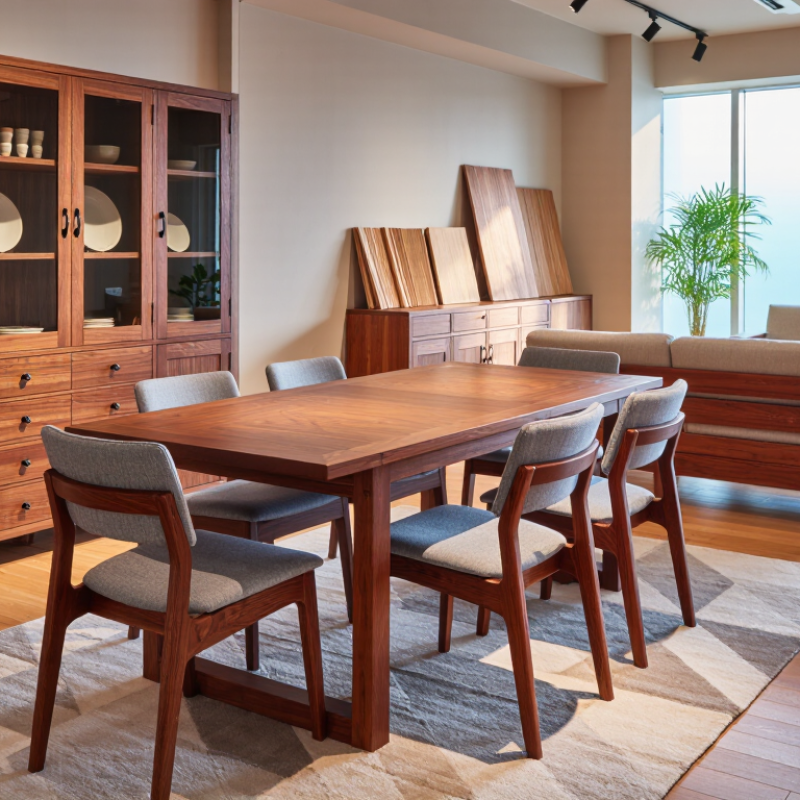
This guide examines leading hardwood furniture manufacturers in China through practical sourcing criteria. These include wood species, kiln-drying methods, joinery quality, finishing consistency, production capacity, and export experience. It also considers whether a company can provide clear material information, factory documentation, product samples, and stable communication. A well-made dining table should show tight joints, an even finish, and carefully sealed edges. Small details often reveal large differences.

Price matters, but it should not control the entire decision. Very low quotations may reflect thinner components, uncertain timber grades, or limited quality inspection. No ranking is perfect. Factory capabilities change, and online information can become outdated. Therefore, this overview treats public records, supplier statements, buyer feedback, and available production evidence with careful judgment. Readers should still verify certifications, lead times, packaging standards, and sample quality before placing an order.

The manufacturers discussed here are not presented as identical choices. Some may suit hospitality projects, while others fit customized residential collections. Their strengths can differ in design, volume, craftsmanship, and responsiveness. Look closely. Reliable sourcing depends on evidence, not impressive promises.
What Are the Top Hardwood Furniture Manufacturers in China?

Definition and Role of Hardwood Furniture Manufacturers in China

Hardwood furniture manufacturers in China are companies that design, process, and assemble furniture from solid or engineered hardwood materials. They may produce dining tables, bedroom sets, cabinets, and custom hospitality pieces. Hardwood usually comes from broad-leaved trees, but the term alone does not prove quality. Species, drying methods, construction, and finishing all matter.

A reliable manufacturer controls moisture before assembly. In many workshops, technicians use moisture meters and inspect boards for warping, knots, and hidden cracks. Kiln drying reduces movement after delivery, while mortise-and-tenon joints can improve strength.

Experienced factories also create sample pieces before mass production. This step reveals uneven color, sharp edges, or gaps around drawers. Small details matter.

These manufacturers play a practical role in the global furniture supply chain. They combine material purchasing, machining, hand sanding, finishing, packaging, and quality inspection under one production system. Buyers can request timber information, treatment records, inspection photographs, and clear tolerance standards. Independent testing may also verify coating safety and structural performance. However, factory claims should not be accepted blindly. A polished showroom can hide inconsistent workshop practices. I have found that simple checks often reveal more than impressive presentations. One weakness remains: natural wood may change slightly with climate, even after careful production. Good manufacturers explain this risk instead of promising perfect stability.

Key Regions and Manufacturing Hubs for Hardwood Furniture

What Are the Top Hardwood Furniture Manufacturers in China?

Key Regions and Manufacturing Hubs for Hardwood Furniture

China’s hardwood furniture production is concentrated around several experienced manufacturing regions. Guangdong leads export-oriented production, especially in Foshan, Dongguan, and Zhongshan. Factories there often combine solid-wood processing, CNC cutting, and container-scale finishing. The Yangtze River Delta, including Zhejiang and Jiangsu, is stronger in custom furniture, dining sets, and refined joinery.

China’s port access also supports large timber supply chains. The International Tropical Timber Organization identifies China as one of the world’s leading tropical timber importers. China National Furniture Association and customs data placed the country’s furniture exports at roughly US$73 billion in 2023. That figure covers all furniture categories, not hardwood alone.

A reliable manufacturer should show kiln-drying records, moisture readings, and documented timber origins. For many indoor projects, factories commonly target about 8–12% wood moisture, although the correct range depends on the destination climate. I have found that Guangdong suppliers often excel at export coordination, while Zhejiang workshops can offer more detailed hand-finishing. Jiangsu producers may provide balanced pricing for medium-volume orders.

A polished showroom can mislead.

Buyers should inspect drawer joints, veneer thickness, panel movement, and finish consistency. FSC certification can strengthen sourcing credibility, but certification should be verified directly. Some factories still describe engineered panels as solid wood. That difference deserves careful checking.

What Are the Top Hardwood Furniture Manufacturers in China? - Key Regions and Manufacturing Hubs for Hardwood Furniture

Region Key Manufacturing Hubs Primary Hardwood Furniture Strength Typical Materials Supply-Chain Advantages Best Suited For
Jiangxi Nankang District, Ganzhou Large solid-wood furniture cluster with extensive processing, finishing, and supporting industries Oak, ash, rubberwood, pine, walnut, and other imported or plantation-grown timber Dense supplier network, specialized woodworking labor, and established domestic distribution channels Residential bedroom, dining, living-room, and customized solid-wood furniture
Guangdong Foshan, Shunde, Zhongshan, Dongguan High-end furniture manufacturing, design-led production, custom furniture, and export-oriented OEM/ODM Oak, walnut, ash, rubberwood, teak, and engineered wood combined with hardwood components Strong port access through the Pearl River Delta, mature hardware suppliers, and advanced finishing services Premium residential, hospitality, contract, and export furniture programs
Zhejiang Anji, Huzhou; Hangzhou; Ningbo Wooden seating, dining furniture, home furnishings, and design-oriented production Rubberwood, ash, beech, oak, birch, and laminated wood components Well-developed chair and component ecosystem, proximity to Shanghai-area logistics, and export experience Dining chairs, solid-wood tables, occasional furniture, and coordinated home collections
Jiangsu Nantong, Suzhou, Kunshan, and surrounding Yangtze River Delta areas Furniture for residential and commercial interiors, with strong capabilities in precision machining and finishing Oak, ash, walnut, birch, rubberwood, and hardwood veneers Access to Shanghai and Yangtze River Delta ports, industrial automation, and broad component sourcing Mid-range to premium furniture, project orders, and export-standard production
Shandong Linyi, Qingdao, Weifang Wood processing, panel production, bedroom furniture, and solid-wood or mixed-material collections Oak, ash, rubberwood, pine, poplar, and hardwood veneers Strong timber-processing base, extensive panel supply, and access to northern coastal logistics Scalable bedroom, dining, storage, and mixed solid-wood furniture lines
Fujian Putian, Xianyou, Quanzhou Traditional Chinese hardwood furniture, carved furniture, and craftsmanship-focused products Rosewood-group timbers, teak, walnut, camphor, and other legally sourced hardwoods Deep carving and joinery skills, specialized artisan workshops, and coastal shipping access Classical furniture, statement pieces, premium interiors, and customized artisan work
Hebei Xianghe, Langfang Large furniture-market ecosystem serving residential, wholesale, and project-based demand Oak, ash, walnut, rubberwood, pine, and hardwood veneer combinations Close access to Beijing and Tianjin, broad wholesale channels, and diverse furniture suppliers Volume purchasing, residential furniture collections, and domestic distribution
Sichuan Chengdu and nearby furniture-production areas Solid-wood home furniture, customized interiors, and manufacturing for western China markets Oak, ash, rubberwood, pine, walnut, and engineered wood with hardwood elements Access to the Chengdu market, western inland distribution, and established home-furnishing suppliers Domestic residential projects, custom furniture, and regional retail programs

Note: Hardwood availability, species selection, certification, moisture content, and export compliance should be verified directly with each manufacturer. Timber legality and responsible-sourcing documentation may include applicable chain-of-custody records and import requirements.

Leading Hardwood Furniture Manufacturers and Their Specialties

China’s leading hardwood furniture manufacturers usually specialize rather than produce everything equally well. Large factories often focus on dining sets, bedroom collections, and complete home interiors. Their strengths include stable production lines, CNC shaping, and consistent finishing across hundreds of pieces. Smaller workshops may offer stronger skills in carved details, curved chair backs, and custom dimensions. The difference becomes visible in drawer joints, edge sanding, and the way doors close.

Some manufacturers work mainly with oak and rubberwood for practical, mid-range furniture. Others handle walnut, ash, or imported hardwood for premium interiors. Hospitality-focused suppliers often build durable tables, lobby seating, and banquet furniture. Custom manufacturers can match a supplied drawing, but revisions may increase lead times. In my experience, a beautiful sample does not guarantee identical mass production. That point deserves attention. Ask for moisture-control records, wood grading rules, finish samples, and a pre-production inspection. A reliable supplier should explain these details clearly.

Tips: Compare the same specifications, not only the price. Check board thickness, joinery, finish layers, packaging, and replacement policies. Request close-up photos of corners and undersides. Confirm whether “solid wood” excludes veneers or composite panels. Factory visits help, but they are not perfect proof. Follow-up inspections still matter. Even experienced buyers can overlook color variation between walnut batches or slight movement during seasonal changes.

Materials, Craftsmanship, and Production Standards

China’s leading hardwood furniture manufacturers distinguish themselves through controlled material selection, not decoration alone. They document species, moisture content, origin, and board grade before cutting begins. Kiln-dried oak, walnut, ash, and rubberwood require different conditioning schedules. A reliable factory keeps moisture near the target range for the furniture’s final climate. Too much moisture can cause swelling. Too little may encourage cracking. During supplier evaluations, buyers should request test reports and inspect random boards instead of trusting photographs.

Craftsmanship appears in joinery, surface preparation, and repeatability. Experienced workers check mortise-and-tenon joints by hand before applying adhesive. Drawer gaps should look even, while doors should close without force. Sanding usually moves through several grits, removing machine marks without flattening the grain. Water-based finishes may reduce odor, but curing time still matters. Look closely at corners. A rushed edge reveals production pressure.

Production standards turn individual skill into dependable output. Manufacturers should maintain approved samples, incoming-material checks, humidity records, and final inspections. Load tests, coating adhesion checks, and hardware-cycle tests can expose weaknesses before shipment. Packaging also deserves attention; thick corner protection reduces handling damage. No workshop is flawless. Buyers should question inconsistent color, vague tolerance limits, or missing corrective-action records. A capable production team explains failures openly and adjusts its process. That honesty matters.

How to Evaluate and Select a Chinese Hardwood Furniture Manufacturer

Choosing a Chinese hardwood furniture manufacturer requires more than comparing factory prices. Examine the wood species, moisture content, joinery, finishing process, and production capacity. Kiln-dried timber should match the climate of your destination, often around 8–12% moisture. Ask for recent test records, not general promises. Request photos of timber storage, sanding areas, and finished inspections. Details reveal working habits.

A reliable manufacturer should explain wood sourcing clearly and provide traceability documents where required. Check whether the factory follows recognized quality and environmental standards. A video call helps, but an independent factory audit is stronger. Review a prototype before placing a bulk order. Test drawer movement, chair stability, surface consistency, and odor after finishing. A beautiful showroom can mislead. Samples may receive extra attention, too.

Tips: Compare at least three manufacturers. Use the same technical specification for each quotation. Confirm wood grades, dimensions, packaging, lead time, payment stages, and defect remedies in writing. Keep approved samples and color references. Inspect before shipment through a qualified third party when possible. Do not select the cheapest offer automatically. I would reconsider any supplier that avoids questions, changes specifications casually, or cannot explain how defects are controlled. Mistakes still happen, even with careful planning. The goal is a transparent process that makes problems visible early.

How to Evaluate a Chinese Hardwood Furniture Manufacturer

This weighted evaluation model prioritizes material quality, manufacturing capability, quality control, compliance, customization, delivery reliability, and total cost. Buyers can adjust the weighting according to project requirements and verify each factor through samples, factory audits, certifications, and production records.

Pin It on Pinterest

Share This