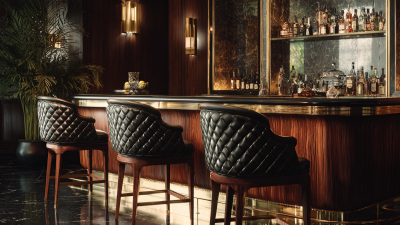
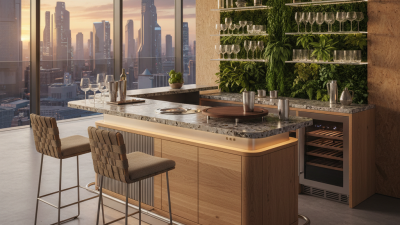
A furniture bar is more than a place to set a drink. It is a compact, purpose-built feature that can make a kitchen, dining room, or living area feel ready for guests. It may offer a serving surface, bottle storage, glassware shelves, or a small worktop for mixing drinks. Some models are freestanding cabinets; others are rolling carts or built-in counters. The label can be a little loose, which is worth remembering.
Choosing one starts with the way the room is actually used. A narrow apartment may benefit from a slim cabinet with doors. A larger entertaining space can accommodate a broad counter and open shelving. Think about walking paths, nearby seating, and how much storage you need. Measure the available floor area, then check the bar’s depth and door swing. Small details matter.
Materials and construction also shape everyday use. Solid wood can bring warmth, while metal and glass often create a lighter, more contemporary look. Look for stable legs, smooth drawer movement, and surfaces that clean easily after spills. A furniture bar should suit the room, not just the photograph. And yes, style still matters. This guide explains common furniture bar types, their practical differences, and the features that help you choose with confidence. No single option fits every home; even a beautiful piece can feel awkward if its scale is wrong. It happens.
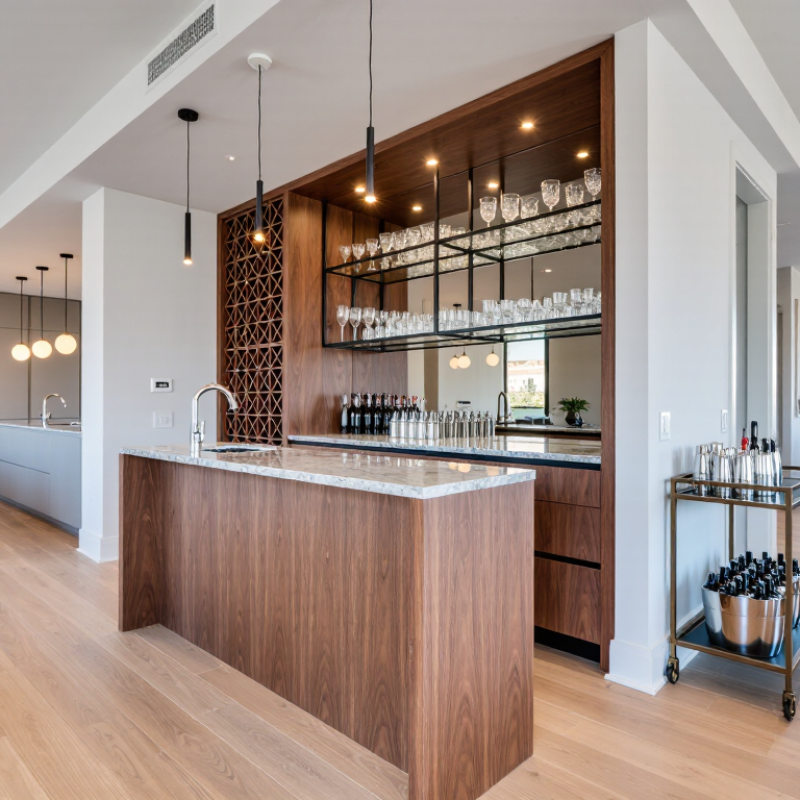
A furniture bar is a movable or freestanding piece that provides a surface for serving drinks and storing glassware, bottles, or bar tools. Unlike a built-in counter, it is usually made as a complete unit, with its own top, supports, and storage. Some designs resemble a compact cabinet; others include open shelves or a raised serving ledge. The term can vary by retailer, so check the dimensions and layout rather than relying on the name alone.
In everyday use, the top should be stable and easy to wipe clean. Look for enough depth to set down a tray without crowding the edge. Drawers can hold small tools, while shelves keep glasses within reach. A cabinet with doors hides clutter, though it may make frequently used items less accessible. Some pieces have wheels, which help when rearranging a room but can feel less steady on uneven flooring.
Details matter. Before choosing a spot, measure doorways and nearby walkways, then consider where guests will stand. I have found that a bar can look spacious in a product photo and still feel awkward beside a dining chair. Its role is simple, but the right size depends on how the room is actually used.
A furniture bar can give a room a social center without adding a permanent wall. Its counter creates a clear place to pour drinks, set down a plate, or talk while someone prepares refreshments. In an open-plan home, it can gently separate a kitchen from a sitting area. Not a wall. Guests can still see and speak across the room, while the furniture signals where gathering often happens. Positioning matters: leave enough space behind stools for people to pull them out and pass through comfortably. A bar tucked into a narrow route may look neat but feel awkward in daily use.
Storage and lighting shape how well the piece works. Shelves keep glasses close at hand, while closed cupboards can hide less attractive supplies. A shallow tray on the counter helps contain small items and makes cleanup easier. If the bar sits against a wall, a warm lamp above it can create a softer pool of light than the main ceiling fixture. In a smaller room, a compact unit may preserve floor space, though it offers less serving area. Small detail, big effect. The best arrangement depends on how people actually move and gather in the room, not just how the furniture looks in a photograph.
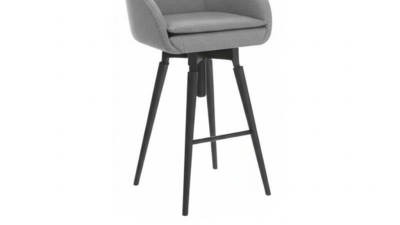
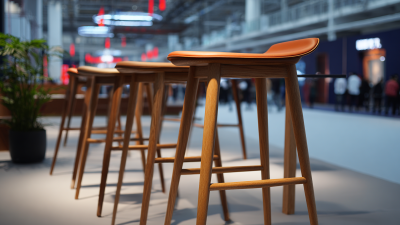
A furniture bar is a freestanding or built-in surface used for serving, storage, and casual seating. Its height can help define how the space works: lower sideboard-style bars suit serving and storage, counter-height surfaces support everyday use, and taller bar-height surfaces pair with bar stools. Heights shown are typical planning ranges, not fixed standards.
Common Types of Furniture Bars
A bar cabinet is a compact choice for a living room or dining area. Its doors conceal bottles and glassware, while shelves or a counter provide space for serving. Check the interior height before buying; tall bottles may not fit behind a fixed shelf. Some cabinets include a small wine rack or a mirrored back, but extra features can reduce usable storage.
A bar cart suits people who need flexible serving space. Its wheels make it easy to move from the kitchen to a patio, though uneven floors can make a loaded cart wobble. Keep heavier bottles on the lower shelf. Simple advice, but easy to overlook. Bar tables and counters offer a more permanent gathering spot, often paired with stools. Measure the clearance carefully so guests can sit without bumping their knees. A counter-height surface feels casual; a taller one can be less comfortable for long conversations.
Built-in bars use wall space and can combine open shelving, cupboards, and a worktop. They look intentional, but their fixed layout takes more planning. Even a small nook needs room to open cabinet doors and reach glasses. The ideal type depends on available space, storage habits, and how often the area will be used. A polished display is appealing, yet everyday access matters more.
| Type | What It Is | Typical Size | Seating | Common Features | Often Suited To |
|---|---|---|---|---|---|
| Home bar cabinet | A freestanding cabinet designed to store and serve drinks. | Often about 30–60 in. wide and 36–42 in. high; sizes vary by design. | Usually none | Shelves, drawers, bottle storage, or a fold-out serving surface. | Living rooms, dining rooms, and compact entertaining areas. |
| Bar cart | A movable serving cart, commonly fitted with two or more shelves. | Often about 24–36 in. wide and 30–40 in. high. | None | Wheels, open shelves, and sometimes raised rails or glass holders. | Small homes and flexible serving setups. |
| Bar table or pub table | A tall table intended for standing or pairing with bar-height stools. | Commonly 40–42 in. high; tops range from compact round tables to longer rectangular designs. | Often 2–4, depending on the tabletop. | A raised top and, on some models, a footrest or built-in shelves. | Kitchens, dining areas, and casual gathering spaces. |
| Bar counter with stools | A counter-height or bar-height surface paired with stools for eating or socializing. | Counter-height surfaces are typically 34–36 in.; bar-height surfaces are typically 40–42 in. | Varies with counter length; allow roughly 24–30 in. of width per person. | May include a footrest, storage shelves, or an overhanging top. | Open-plan rooms and dedicated entertaining areas. |
| Corner bar | A compact bar unit shaped or arranged to fit into a room corner. | Footprint depends on the design; many units project about 24–36 in. along each wall. | Usually none; some designs accommodate one or two stools. | Corner shelving, cabinets, or a curved or angled serving top. | Rooms where efficient use of floor space is important. |
| Portable folding bar | A lightweight bar that folds or breaks down for storage and transport. | Open size varies; many are approximately 36–48 in. wide and around 40 in. high. | Usually none | Foldable frame, removable shelves, or a fabric front panel. | Occasional events, temporary setups, and easy storage. |
| Built-in bar | A bar fitted into a room, alcove, or cabinetry layout rather than used as a movable standalone unit. | Custom-sized; counter surfaces are commonly 34–36 in. or 40–42 in. high. | Designed to suit the available counter length and layout. | Fixed cabinets, countertop, shelving, and optional sink or appliance space. | Dedicated home bars and renovations with a planned layout. |
Dimensions are typical examples, not standards; check the product measurements and available clearance before choosing a bar or stools.
Materials and Features Used in Furniture Bars
A furniture bar may be a compact cabinet, a rolling cart, or a built-in serving station. Material choices shape its weight, upkeep, and lifespan. Solid hardwood offers a warm grain and can be refinished, while veneer over engineered panels can create a similar look with less solid timber. The USDA Forest Products Laboratory’s Wood Handbook explains how wood responds to moisture, so stable indoor conditions matter. Metal frames add rigidity; glass shelves keep a small room visually open. A glossy surface looks easy to clean, but fingerprints show quickly. Small details matter.
Features should fit the way the bar will be used. Look for adjustable shelves for bottles, a sturdy worktop for mixing, and a raised lip that helps keep glassware from sliding. A foot rail improves comfort at a seated bar, while lockable casters help secure a mobile cart. EPA’s 2018 Advancing Sustainable Materials Management report estimated that U.S. furniture and furnishings generated 12.1 million tons of waste; about 80.1% went to landfill. Repairable hinges, replaceable handles, and durable finishes can help extend a piece’s useful life.
Tips: Check the joints, drawer slides, and caster locks in person. For a bar near a sink, choose a moisture-resistant finish and wipe spills promptly. A little caution goes a long way.
A furniture bar is a piece designed to store and serve drinks, glassware, or dining essentials. Common options include enclosed bar cabinets, open console bars, rolling carts, and built-in units. A cabinet keeps bottles out of sight and suits a living room. A cart moves easily between rooms but offers less storage. Built-in bars use space efficiently, though they require more planning.
Choose a style based on how you will use it and where it will stand. Measure the width, depth, and height, then check that doors and drawers can open fully. Leave a clear path around the bar, especially in a narrow dining area. Check shelf weight limits if you plan to store heavy glass bottles. Wood can feel warm and sturdy; metal or glass may look lighter, but can show fingerprints. A tidy sketch helps. Still, room measurements can miss awkward corners, so check the space in person.
Tips: Measure twice. Count your glasses and bottles before choosing storage. If you entertain often, look for a durable top with room to prepare drinks. For occasional use, a smaller cart may be enough. Consider lighting and nearby outlets only if your setup needs them.