
China Best Lounge Chair Suppliers for Global Buyers?
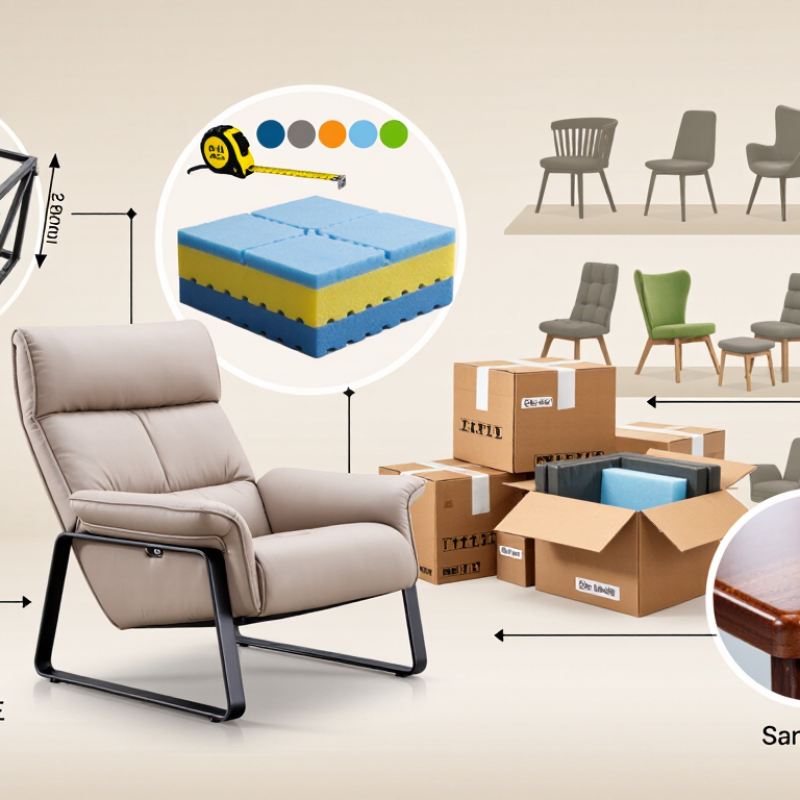
Finding the right Chinese supplier for lounge chairs involves more than comparing catalog prices. Global buyers need products that suit their customers, shipping routes, and quality expectations. A chair may look polished in a showroom photo, yet feel unstable after repeated use. Small details matter. Check frame materials, seat dimensions, cushion construction, upholstery options, and finish consistency before making a decision.
China’s furniture industry includes suppliers with different specialties, production capacities, and export experience. Some focus on contemporary designs for hospitality projects; others offer adaptable models for retailers or online brands. Ask for clear product specifications, recent photographs, sample availability, minimum order quantities, and realistic production schedules. Price is only one signal. Packaging also deserves attention: corner protection, carton strength, and parts secured inside the box can affect a chair’s condition on arrival. These details are easy to overlook when a quotation seems attractive.
This guide explores how buyers can assess Chinese lounge chair suppliers, compare offers, and ask useful questions before placing an order. It also considers communication, quality checks, customization, and shipping coordination. Request relevant test reports or compliance documents for your destination market, and verify that each document matches the product being offered. A supplier’s confident reply is helpful, but it is not proof by itself. That takes verification. No checklist removes every risk, and supplier information can change. Treat early research as a starting point, then confirm key terms directly and keep written records of agreed specifications.
Lounge Chair Categories and the Scope of EN 12520:2015
For global buyers, lounge chairs should be grouped by intended use before EN 12520:2015 is considered. The standard sets safety, strength, and durability requirements for adult domestic seating. It can therefore inform checks on a living-room armchair, but it is not a universal benchmark for every seating product. Commercial seating, children’s furniture, and outdoor use may require other standards or assessments. Small details matter.
A practical review should match the tested sample to the chair being purchased: frame material, joints, seat construction, and recline mechanism can all affect performance. Ask for the test report and confirm its model, configuration, and testing scope. A report for a fixed wooden chair may not represent a padded recliner with moving parts. EN 12520 also does not, by itself, establish every factor buyers may care about, such as upholstery emissions or fire performance. Grand View Research valued the global furniture market at USD 736.21 billion in 2023 and projected a 5.5% compound annual growth rate from 2024 to 2030. This broad market figure is not specific to lounge chairs, but it underlines why clear product-level evidence matters. I would still check the report carefully; paperwork can look reassuring while leaving a real gap.
| Lounge Chair Category | Typical Configuration | Common Intended Use | EN 12520:2015 Scope Consideration | Practical Buyer Checks |
|---|---|---|---|---|
| Upholstered lounge chair | Single-seat chair with a reclined back, upholstered seat and back, and a fixed frame. | Adult seating in a home living room, bedroom, or reading area. | May fall within the standard’s scope when designed for adult domestic use. The category name alone does not establish compliance. | Confirm the tested model and configuration match the offered chair, including frame, joints, seat, and back construction. |
| Armchair | Single-seat chair with armrests; may be upholstered or made from hard materials. | Adult seating for domestic interiors. | Potentially within scope when intended for domestic use by adults. Requirements apply to the seating product, not merely to its material or style. | Check dimensions, materials, load-bearing construction, and whether the test report identifies the same model and options. |
| Reclining lounge chair | Chair with an adjustable backrest, footrest, or reclining mechanism. | Relaxation seating in a domestic setting. | May be within scope if intended for adult domestic use. Moving mechanisms and supplied configurations should be represented in the assessment. | Ask whether the tested sample included the same mechanism, adjustment positions, and accessories as the production version. |
| Rocking or swivel lounge chair | Single-seat chair with a rocking base or a rotating support. | Adult domestic seating, subject to the product’s intended use. | Potentially within scope for adult domestic seating. The base and moving parts can affect the relevant safety and strength assessment. | Verify that the report covers the actual base design, movement components, and product configuration. |
| Multi-seat lounge seating | Two- or multi-seat upholstered seating, such as a domestic sofa or settee. | Shared adult seating in a home. | Check the scope and applicable test provisions for the specific seating type and number of seats; do not assume that a single-seat test covers a multi-seat product. | Request evidence for the same seat count, frame layout, and configuration being purchased. |
| Outdoor lounge chair | Chair designed for gardens, patios, balconies, or other outdoor settings. | Outdoor use, where exposure to weather may be relevant to product selection. | Do not assume EN 12520:2015 covers outdoor use. Check the product’s intended-use category and applicable outdoor-furniture standards, such as the EN 581 series where relevant. | Review outdoor-use suitability separately, including materials, finishes, care instructions, and applicable test documentation. |
| Public-use or commercial lounge chair | Seating specified for settings such as hotels, waiting areas, or other non-domestic environments. | Commercial or other non-domestic use. | EN 12520:2015 is for adult domestic seating; it should not be treated as proof of suitability for non-domestic use. | Identify the actual use environment and request evidence against the requirements applicable to that environment. |
| Scope note: EN 12520:2015 specifies requirements for the safety, strength, and durability of adult seating for domestic use. Applicability depends on the product’s intended use and design. It is not a supplier ranking, a general quality guarantee, or evidence that every product from a supplier has been tested. Buyers should verify the test report, product identification, configuration, and applicable standard edition with the supplier or testing laboratory. | ||||
Related Posts
-

How to Choose the Perfect Lounge Chairs for Your Outdoor Oasis
-

2025 How to Choose the Perfect Lounge Chairs for Your Outdoor Space
-
China Top Lounge Chairs for Global Buyers What to Look For?
-
Top 10 Furniture Countries for Global Sourcing?
-
What Is a Furniture Bar and What Types Are Available?
-
How to Choose the Perfect Bar Chair for Your Home Decor Style